Sumba Island Tour vs Alternatives Comparison

A Sumba Island Tour offers an unparalleled journey into Indonesia’s authentic heart, distinct from more frequented destinations. It prioritizes profound cultural immersion, sustainable luxury, and access to pristine, untamed landscapes, appealing to the discerning traveler seeking genuine connection and tranquility away from mass tourism.

  • **Cultural Depth:** Direct engagement with ancient animist traditions and vibrant tribal life.
  • **Exclusive Luxury:** Intimate, eco-conscious resorts blending seamlessly with nature.
  • **Unspoiled Nature:** Miles of deserted beaches, rolling savannas, and dramatic waterfalls.

The distant thrum of ancestral drums carries on the warm breeze, a counterpoint to the rhythmic crash of turquoise waves on a deserted shore. The scent of sandalwood mingles with the salty air as you watch a lone horseman gallop across an endless savanna, his silhouette framed by a sky painted in hues of ochre and violet. This is Sumba, an island that doesn’t just offer a destination, but an experience – raw, profound, and utterly captivating. You’re not merely observing; you are stepping into a living tapestry woven from ancient traditions, breathtaking landscapes, and an understated luxury that redefines indulgence. But is a Sumba Island Tour the right choice for your next Indonesian escape? Let’s navigate the archipelago’s diverse offerings, comparing Sumba’s unique allure against its more celebrated counterparts to help you chart your perfect journey.

Sumba’s Unrivaled Authenticity: When to Choose a Sumba Island Tour

If your travel philosophy leans towards genuine cultural immersion over curated spectacle, a Sumba Island Tour stands as an unmatched proposition. This is an island where animist beliefs dictate daily life, where megalithic tombs guard ancestral spirits, and where intricate ikat textiles tell stories passed down through generations. Unlike the well-trodden paths of Bali, where traditional ceremonies often play out against a backdrop of bustling tourism infrastructure, Sumba presents its culture unvarnished and deeply integrated into the fabric of society. You might witness a traditional harvest ritual, visit a village where houses with towering thatched roofs reach skyward, or even, if your timing aligns, experience the exhilarating Pasola festival.

The Rites of Pasola: A Glimpse into Living Tradition

The Pasola, a ritualized spear-fighting festival held annually in February or March (depending on the lunar cycle and local elders’ decrees), is perhaps Sumba’s most iconic cultural event. Warriors on horseback, clad in traditional attire, charge at each other, throwing wooden spears in a spectacle of skill, bravery, and spiritual significance. It’s a powerful, visceral experience that underscores Sumba’s deep connection to its ancestral past and agricultural cycles. Observing such an event is not just sightseeing; it’s an honor, a privilege that few destinations can offer with such raw authenticity. Over 100 traditional villages across the island, like Ratenggaro in West Sumba, maintain these ancient customs, some dating back over 2,000 years. The intricate ikat fabrics, hand-woven by local women, can take months to complete, with larger pieces commanding prices upwards of $500, reflecting the immense skill and time invested. For the traveler seeking profound cultural engagement, where every interaction feels like a genuine connection rather than a transaction, Sumba is unequivocally the superior choice. Learn more about Sumba’s unique cultural heritage on Indonesia.Travel.

Luxury Defined Differently: Beyond the Infinity Pool

When we speak of luxury in the context of a Sumba Island Tour, we are not referring to the ubiquitous gilded resorts and bustling beach clubs found in more developed regions. Sumba offers an exclusive, understated form of luxury – one rooted in privacy, sustainability, and an unparalleled connection to nature. Here, luxury manifests as waking to the sound of crashing waves on a private beach, dining on locally sourced, organic cuisine under a canopy of stars, or having an entire stretch of coastline to yourself. Resorts like the world-renowned Nihi Sumba, frequently voted among the best hotels globally, exemplify this ethos. With an occupancy rate often below 50% across the island’s high-end properties, the feeling of personal space is guaranteed.

Exclusivity and Sustainable Indulgence

Imagine private villas, some exceeding 500 square meters, designed with indigenous materials and offering panoramic views of the Indian Ocean. The focus is on immersive experiences: horseback riding through rice paddies, surfing world-class breaks without a crowd, or exploring hidden waterfalls. This type of luxury carries an average daily rate for high-end accommodation between $1,000 and $2,500, reflecting the bespoke service, remote location, and commitment to sustainable practices. Unlike the sprawling, often anonymous resorts of Bali or Phuket, Sumba’s luxury properties are intimate, often hosting fewer than 50 guests across their entire grounds. They operate with a deep respect for the local community, employing a high percentage of Sumbanese staff (often over 80%) and investing significantly in local development projects. For those who define luxury by authentic experiences, unparalleled privacy, and a conscious approach to travel, Sumba presents an irresistible alternative. This is not just a holiday; it’s a mindful retreat. Explore more about our bespoke experiences at our luxury experiences page.

The Allure of Untamed Landscapes: Sumba vs. Other Indonesian Islands

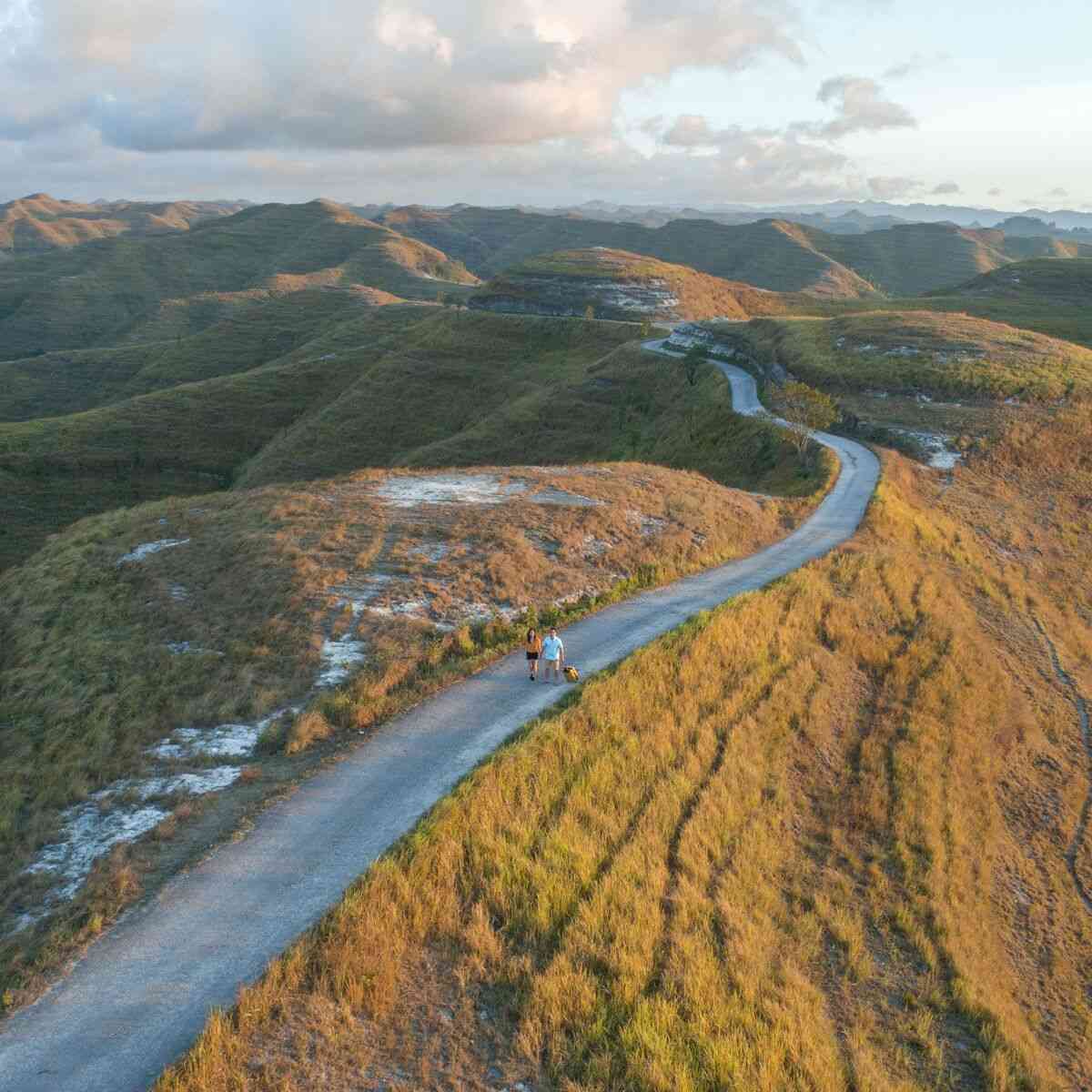
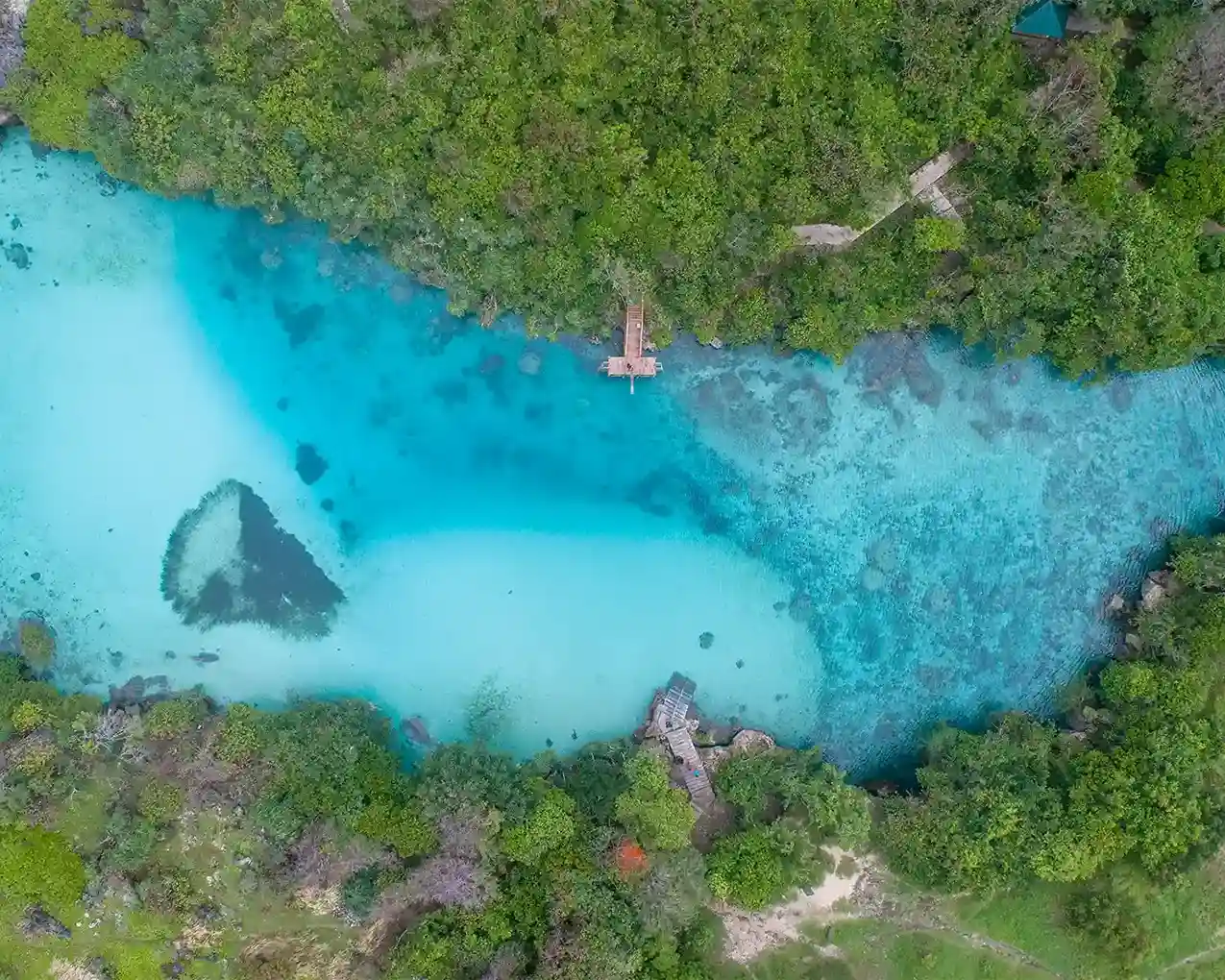
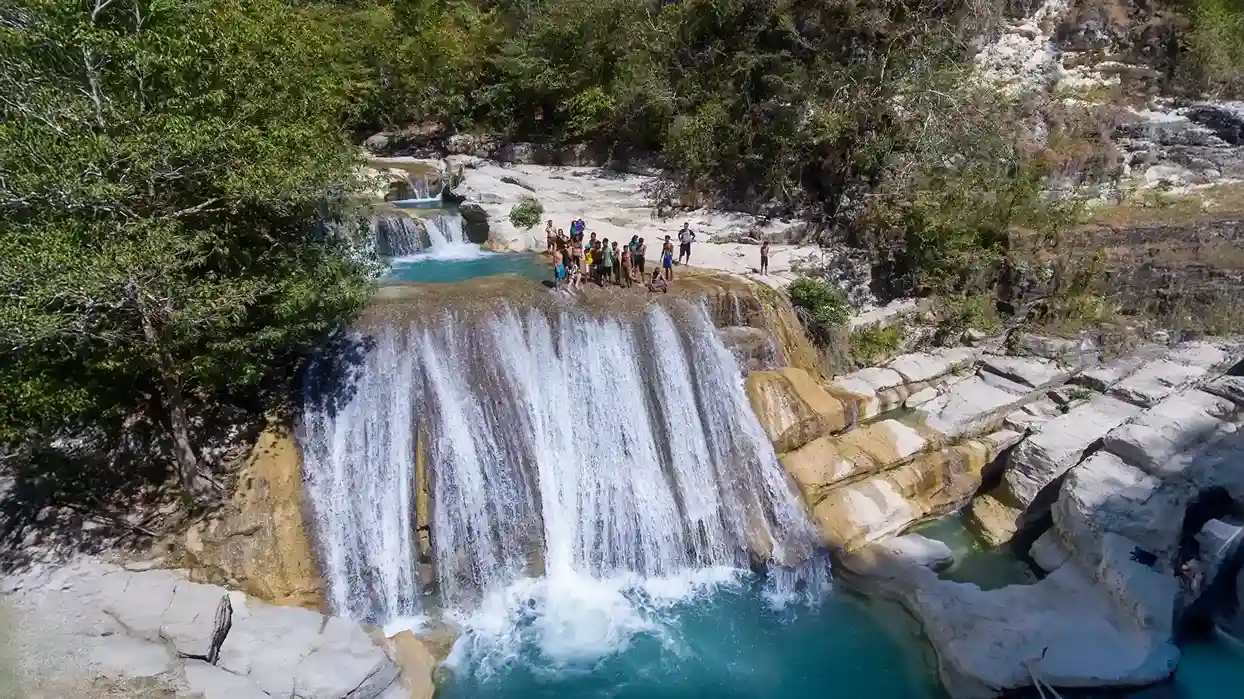
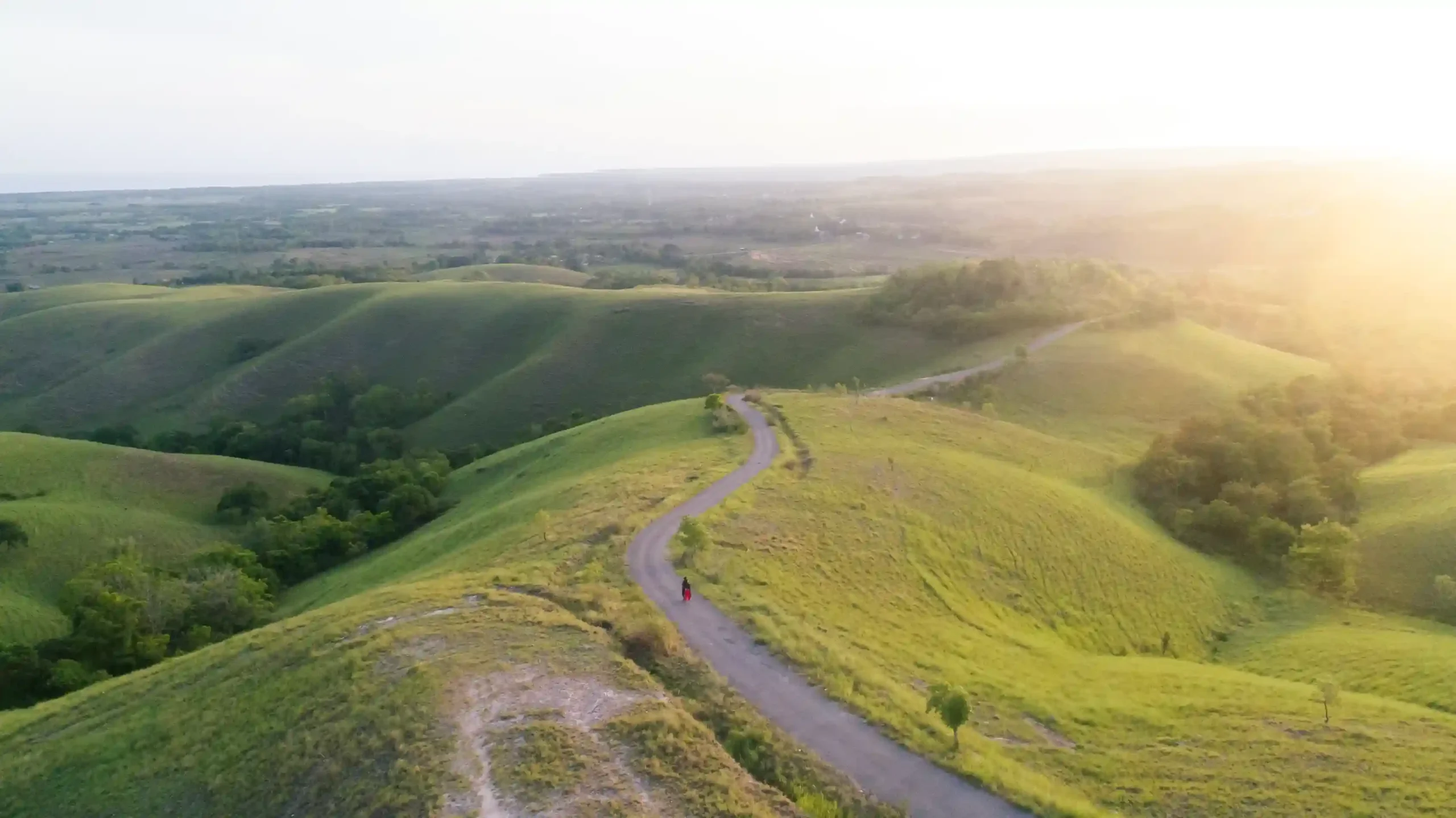
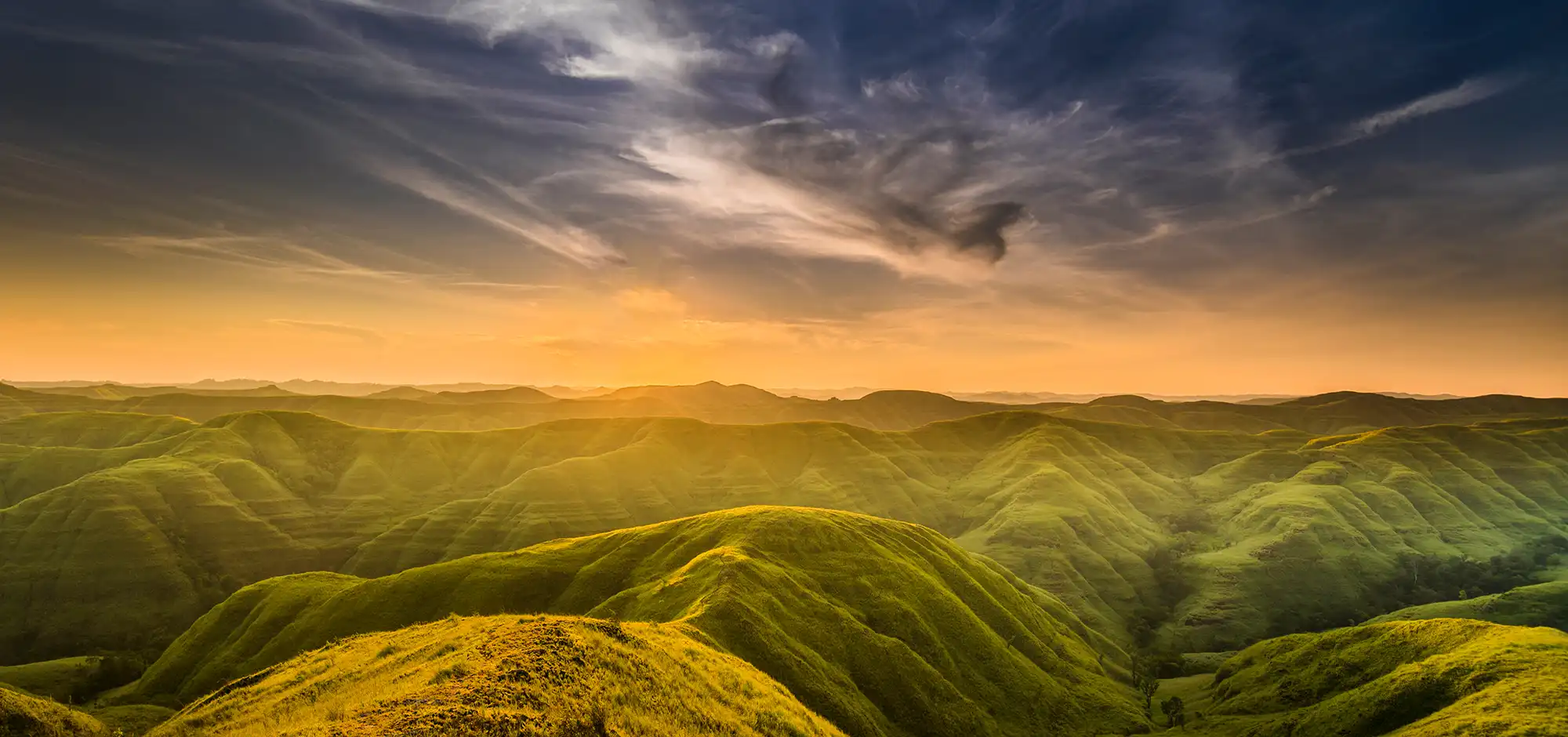
The natural beauty of Sumba is a stark contrast to the volcanic peaks of Lombok or the dense jungles of Sumatra. Here, the landscape unfolds in a dramatic tapestry of rolling savannas, reminiscent of African plains, meeting rugged coastlines dotted with pristine, often deserted, white-sand beaches. This is an island for the explorer, for those who crave untouched wilderness. Waterfalls like Lapopu cascade over multiple tiers into emerald pools, offering refreshing escapes, while the famous Weekuri Lagoon presents a natural saltwater pool of astounding clarity. The island boasts over 150 kilometers of accessible coastline, with countless coves and beaches awaiting discovery.

While Komodo offers its iconic dragons (approximately 2,500 individuals across the national park) and Raja Ampat dazzles with its underwater biodiversity (hosting over 1,500 fish species and 75% of the world’s coral species), Sumba provides a broader spectrum of terrestrial and coastal wonders. Its surf breaks, particularly around the southwest, are world-class, attracting seasoned surfers seeking uncrowded waves – a stark contrast to the often-packed lineups of Bali’s Kuta or Canggu. For instance, the famous “Occy’s Left” break can produce barrels up to 10 feet high during peak season (May-October), yet often sees only a handful of surfers. The average water temperature remains a pleasant 27-29°C year-round. This landscape offers a profound sense of freedom and discovery, ideal for horseback riding, trekking, or simply finding a private stretch of sand to call your own for an afternoon. If your ideal journey involves vast, unspoiled vistas and a sense of genuine exploration, a Sumba Island Tour delivers an unparalleled connection to nature.

When Alternatives Shine: The Case for Bali, Lombok, or Raja Ampat

While Sumba offers a unique brand of luxury and authenticity, it’s crucial to acknowledge that it isn’t for every traveler or every type of trip. For those seeking a more vibrant, accessible, and diverse range of activities, other Indonesian islands present compelling alternatives. Bali, for instance, remains the undisputed king of choice for many. If your ideal vacation includes a plethora of dining options from Michelin-starred restaurants to casual beachside warungs, a thriving nightlife scene, world-class yoga studios, extensive spa treatments, and a highly developed infrastructure for tourism, Bali is likely a better fit. In 2019, Bali alone welcomed over 6 million international tourists, a testament to its broad appeal. Flight times from major hubs like Jakarta are typically 1.5 hours, with multiple daily connections.

Lombok, Bali’s quieter neighbor, offers a compelling mix for adventure seekers who still desire some creature comforts. Its majestic Mount Rinjani, an active volcano, draws thousands of trekkers annually, with summit expeditions typically lasting 3 days and 2 nights. The Gili Islands (Trawangan, Meno, Air) off Lombok’s coast provide a car-free paradise for snorkeling, diving, and relaxed beach vibes, with average dive costs around $40-60 per tank. For the dedicated underwater enthusiast, Raja Ampat in West Papua is simply non-negotiable. Renowned as the epicenter of marine biodiversity, it offers unparalleled diving and snorkeling experiences amidst stunning limestone karsts. However, reaching Raja Ampat involves longer travel times and higher costs, with domestic flights often taking 6-8 hours from Jakarta and liveaboard charters starting from $3,000 for a week. These destinations cater to different desires: Bali for its comprehensive luxury and activity, Lombok for accessible adventure, and Raja Ampat for peerless marine exploration. Sumba, by contrast, asks you to slow down, to connect, and to embrace a more introspective journey.

Logistics and Accessibility: A Practical Comparison

Understanding the practicalities of travel is paramount when planning an Indonesian adventure. A Sumba Island Tour requires a more considered approach to logistics compared to its more accessible counterparts. Sumba is served primarily by two airports: Tambolaka (TMC) in West Sumba and Umbu Mehang Kunda (WGP) in East Sumba. Flights typically originate from Bali (Denpasar) or Jakarta, with the flight from Bali usually taking just over an hour. While there are generally 2-3 daily flights from Denpasar to Tambolaka, these are often on smaller propeller planes and can be subject to schedule changes. The island’s road infrastructure, while improving, remains less developed than Bali’s, meaning longer travel times between points of interest. A journey from Tambolaka Airport to a resort on the east coast, for instance, could take upwards of 3-4 hours over sometimes unpaved roads. The total population of Sumba is approximately 800,000, spread across an area of 11,000 square kilometers, contributing to its remote feel.

Compare this to Bali, where Ngurah Rai International Airport (DPS) handles millions of passengers annually, with direct flights from numerous international cities and a highly efficient domestic network. Taxis, ride-sharing apps, and private drivers are readily available and affordable, making island navigation effortless. Even Lombok, with its smaller international airport (LOP), offers relatively straightforward access and a more developed public transport system. Raja Ampat, while more remote, has a well-established system of liveaboards and dedicated dive resorts that handle transfers from Sorong airport. The relative remoteness of Sumba is a deliberate part of its charm – it filters out mass tourism, preserving the island’s unique character. However, it also means that independent travel requires more meticulous planning, and spontaneous changes can be challenging. For the traveler who values seamless transitions and extensive infrastructure, Sumba may present a slight learning curve, yet it is a curve that rewards with profound experiences. For detailed travel planning, visit our Sumba travel guide.

The Conscious Traveler’s Choice: Impact and Sustainability

For the traveler acutely aware of their environmental and social footprint, a Sumba Island Tour often aligns perfectly with ethical tourism principles. Sumba is not just a destination; it’s a testament to responsible development. Many of the island’s luxury properties and tour operators are deeply committed to sustainability, integrating community development, environmental conservation, and cultural preservation into their core operations. This is a crucial differentiator from destinations where the sheer volume of tourism has, at times, led to over-development and strain on local resources. Sumba’s relatively low tourist numbers – an estimated 15,000 international visitors annually pre-pandemic – allow for a more controlled and beneficial impact.

Resorts actively participate in initiatives ranging from providing clean water access to local villages (some projects have supplied water to over 20,000 people) to establishing educational programs and promoting local artisan crafts. The island’s commitment to preserving its unique ecology means careful management of its natural resources, with a growing percentage of land being protected through local initiatives. For example, a significant portion of its coastline remains undeveloped, preserving critical marine ecosystems. When you embark on a Sumba Island Tour, your expenditure directly contributes to these meaningful endeavors, fostering a symbiotic relationship between visitor and host community. This contrasts sharply with destinations grappling with the challenges of mass tourism, where the economic benefits can be diluted and environmental pressures severe. Choosing Sumba is, in many ways, an act of conscious travel, an investment in a sustainable future for a truly special place. For a deeper understanding of sustainable tourism, read more on Wikipedia.

Crafting Your Indonesian Journey: A Tailored Approach

Ultimately, the choice between a Sumba Island Tour and its alternatives hinges on your personal travel aspirations. If your heart yearns for an encounter with raw authenticity, where ancient traditions live vibrantly, where luxury is defined by solitude and genuine connection, and where untamed landscapes invite profound exploration, then Sumba is your destination. It is for the discerning traveler who seeks to disconnect from the frantic pace of modern life and reconnect with something deeper, more elemental. It’s an island that demands a bit more effort to reach, but repays that effort tenfold with experiences that linger long after you’ve departed.

However, if your vision of an Indonesian escape involves a bustling culinary scene, a vibrant nightlife, extensive shopping opportunities, or the convenience of highly developed tourist infrastructure, then Bali, with its myriad offerings, might be a more suitable choice. If world-class diving or accessible volcano trekking are your primary drivers, Raja Ampat or Lombok present their own compelling arguments. Sumba occupies a unique space within Indonesia’s luxury tourism landscape. It is not just another island; it is an invitation to witness a world preserved, a culture thriving, and a landscape whispering tales of old. We invite you to explore the possibilities, to consider a journey that promises not just a vacation, but a transformative experience. Let us help you curate an unforgettable Sumba Island Tour that aligns perfectly with your vision of luxury and discovery.

Ready to discover the authentic heart of Indonesia? Begin your Sumba Island adventure today.