3-Day Sumba Island Tour Itinerary

A Sumba Island tour offers an unparalleled luxury immersion into an ancient Indonesian culture, far removed from mainstream tourism. This bespoke journey reveals a land where animist traditions thrive amidst breathtaking natural beauty, from pristine white-sand beaches to dramatic savannas and cascading waterfalls.

  • Experience authentic megalithic villages and elaborate ritual ceremonies.
  • Discover untouched surf breaks and vibrant marine ecosystems.
  • Indulge in exclusive, eco-luxury accommodations and personalized cultural encounters.

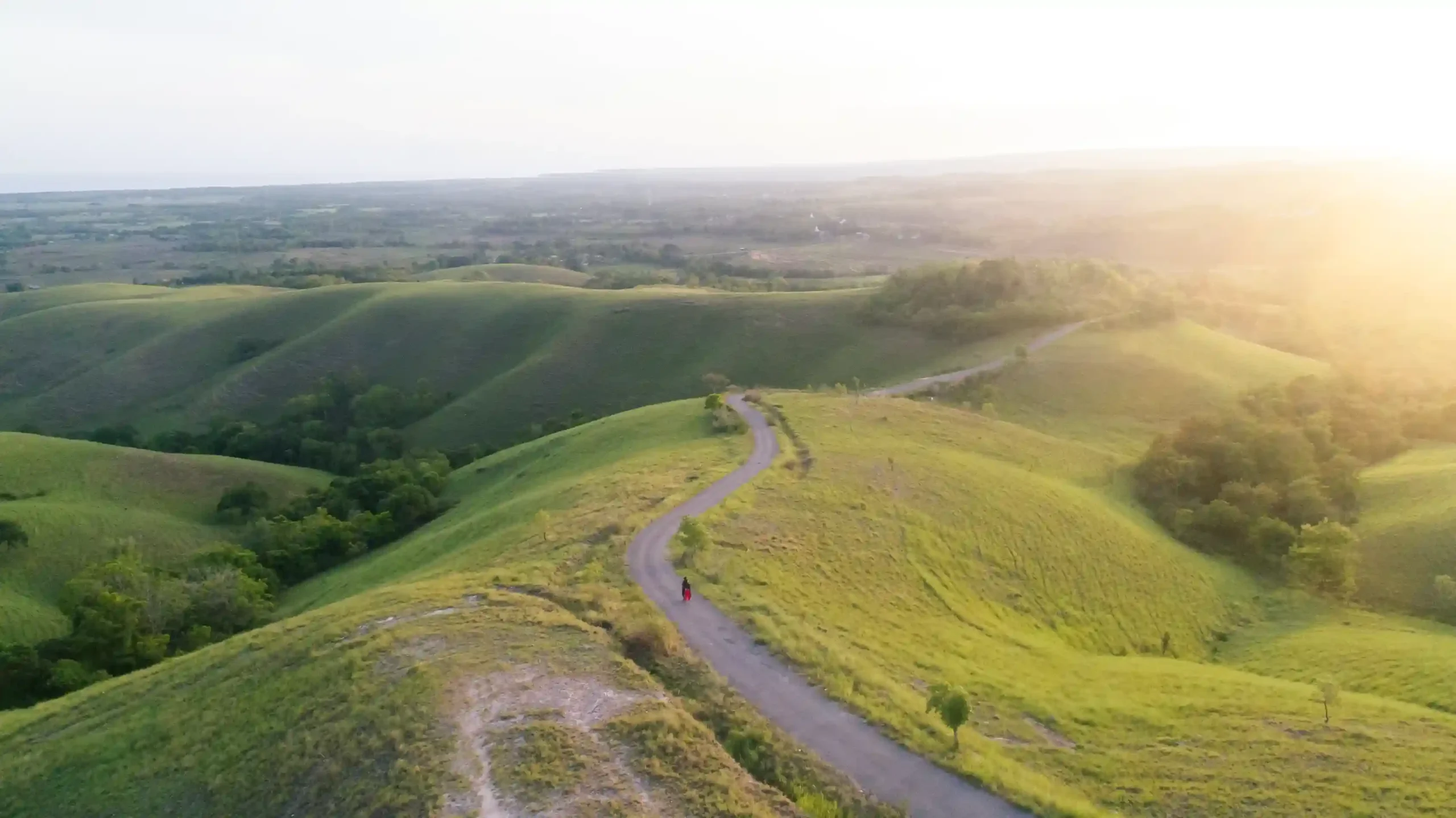
The scent of sandalwood and sea salt drifts on a warm breeze as your private charter touches down on Sumba. Before you, a landscape unfolds: rolling savannas meet turquoise waters, ancient stone monuments stand sentinel against the sky, and the rhythmic thrum of traditional music occasionally carries on the wind. This is Sumba, an island that eschews the hurried pace of the modern world, inviting you to step into a living tapestry of culture and untouched nature. You feel the earth beneath your feet, ancient and resonant, a place where the veil between worlds seems thin. This is not merely a destination; it is an awakening, a journey into the heart of Indonesia’s most captivating secret, curated for the discerning traveler seeking profound authenticity and unparalleled luxury. Your Sumba Island tour begins now.

Day 1: Western Sumba – Echoes of Ancestors and Azure Lagoons

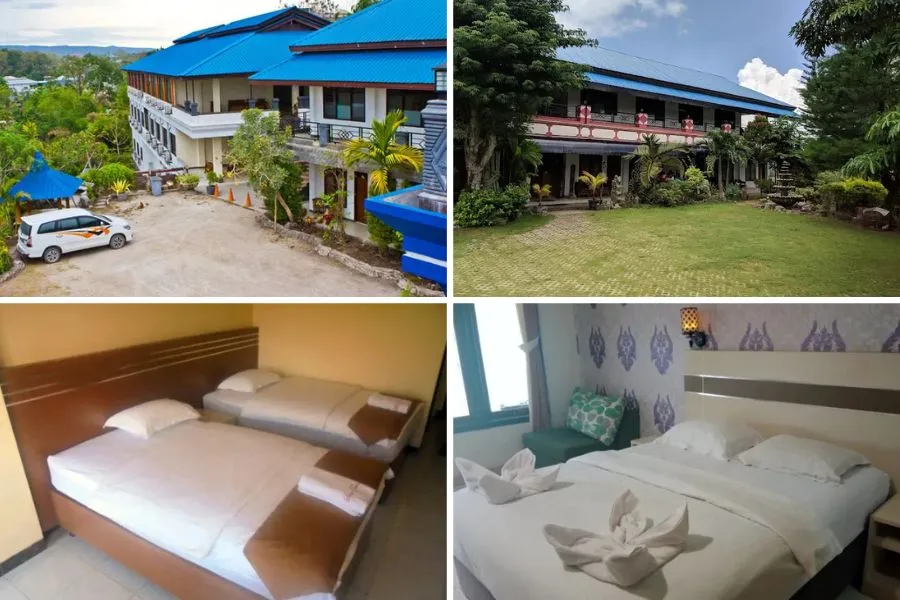
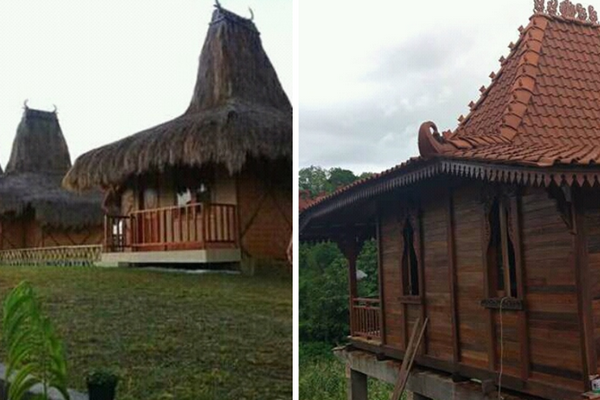
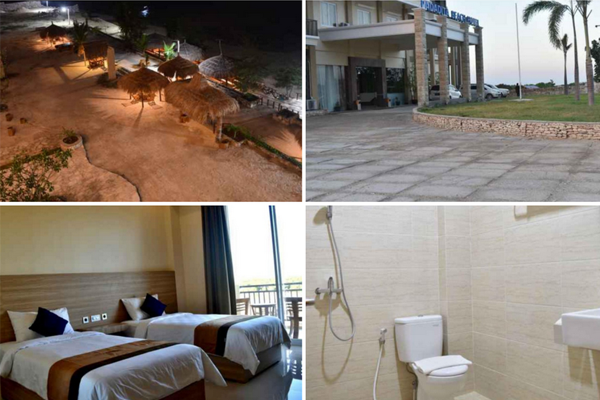
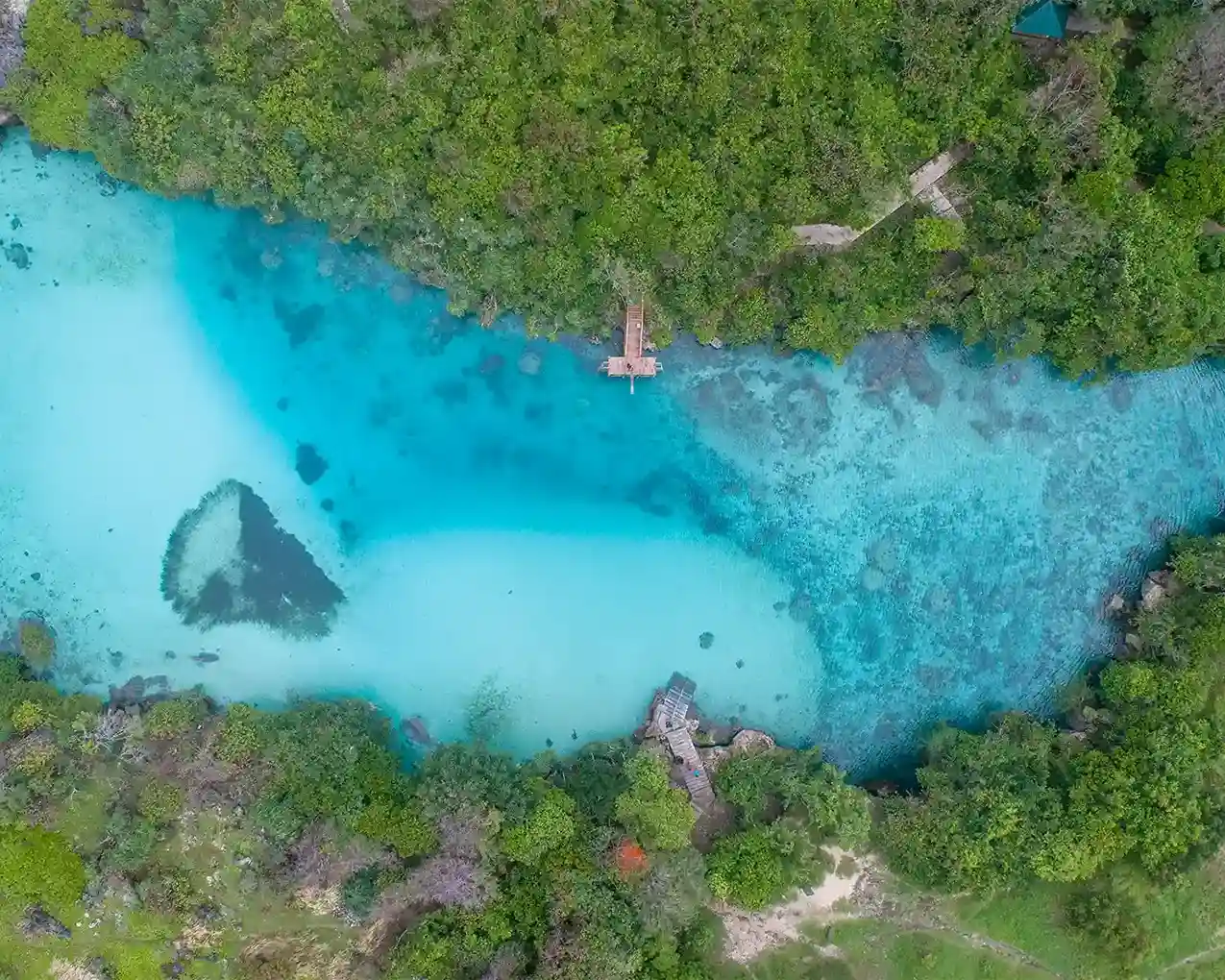
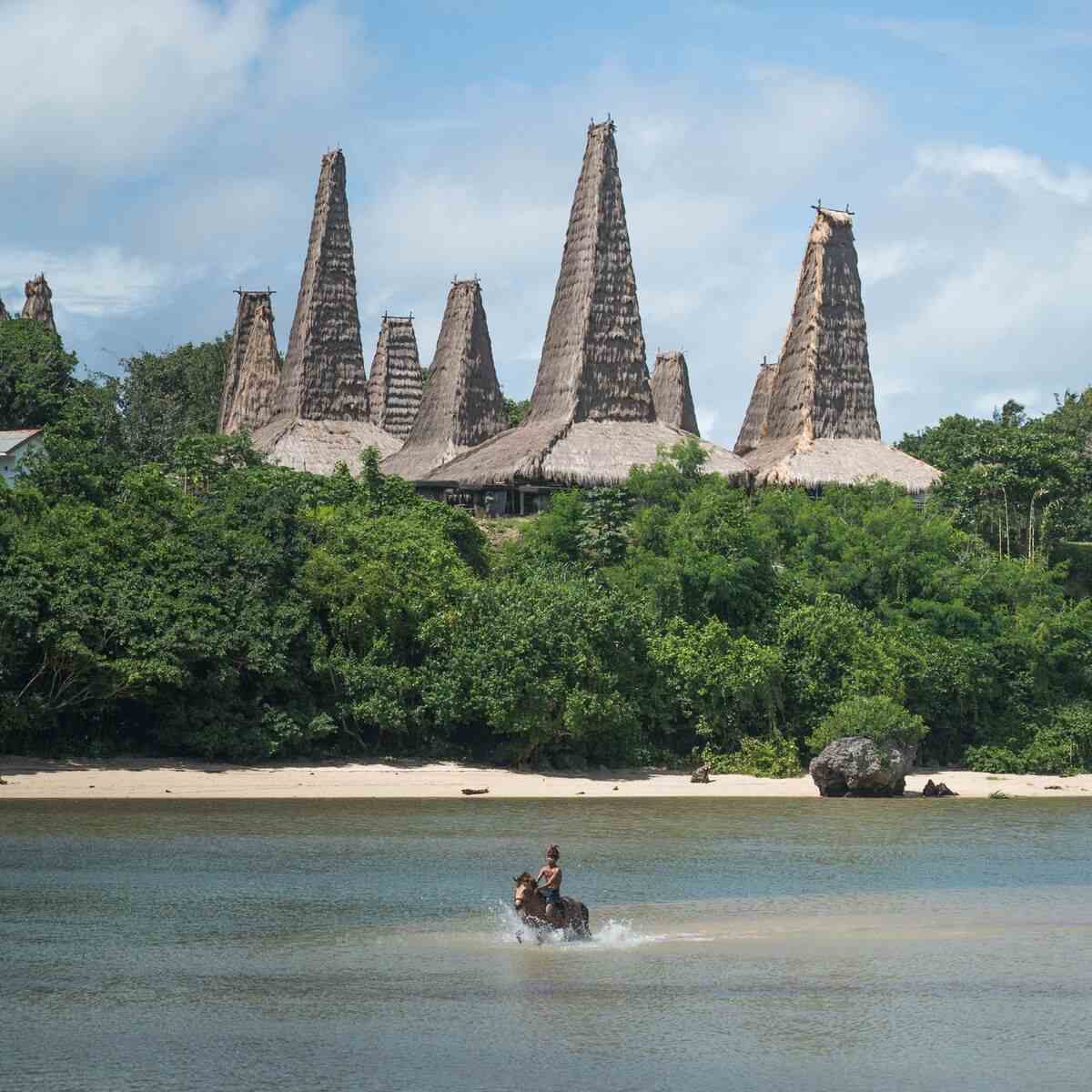
Your journey commences at Tambolaka Airport (TMC) in West Sumba, where a dedicated local guide and private 4×4 vehicle await. The drive to your luxury resort, perhaps the iconic Nihi Sumba, sets the tone, revealing verdant hills and glimpses of traditional villages. Approximately 45 minutes after landing, you arrive at a haven of understated elegance, where every detail caters to comfort and cultural immersion. After settling in and enjoying a light, locally-sourced lunch, the afternoon beckons with exploration. Our first cultural stop is the village of Ratenggaro, a marvel of traditional Sumbanese architecture. Here, 16 traditional houses with towering, boat-shaped roofs, some reaching up to 20 meters high, encircle ancient megalithic tombs. The village overlooks a pristine beach, where the Indian Ocean’s waves crash gently, offering a dramatic backdrop to this living museum. You witness daily life unfold, perhaps observing women weaving intricate ikat textiles, a craft passed down through generations. The local community, numbering around 300 residents, warmly shares their heritage. Later, we journey to Weekuri Lagoon, a natural saltwater lake separated from the ocean by a rocky cliff. The water, a mesmerizing gradient of blues and greens, is crystal clear and calm, perfect for a refreshing dip. This natural wonder is just a 15-minute drive from Ratenggaro. As the sun dips below the horizon, painting the sky in fiery hues, you return to your resort for a gourmet dinner, reflecting on the day’s profound encounters. The average daily temperature hovers around 28°C, ensuring comfortable exploration.

Megalithic Wonders of Praijing

Alternatively, or as an additional stop, the village of Praijing offers another deep dive into Sumbanese tradition. Perched atop a hill near Waikabubak, Praijing presents a stunning panorama of traditional houses arranged in a tiered formation. The village boasts over 50 traditional houses, each a testament to meticulous craftsmanship and ancient design principles. These homes, built entirely from natural materials, are not just dwellings but spiritual centers, housing generations and their ancestral spirits. You observe the intricate carvings and the unique structural elements that define Sumbanese architecture, a heritage preserved for centuries. A local village elder, often fluent in basic English, might share tales of their ancestors and the significance of the megalithic tombs that dot the village grounds. The walk through Praijing, with its elevated views, offers photographic opportunities that capture the very essence of Sumba. This site is approximately 15 kilometers from Tambolaka Airport, a 25-minute scenic drive. The entrance fee, typically a modest donation of IDR 20,000 per person, directly supports the local community.

Day 2: Central Sumba’s Heartbeat and Coastal Splendor

Today, your Indonesia luxury travel experience continues its deep dive into the island’s soul. After a leisurely breakfast, we head inland towards Waikabubak, the capital of West Sumba, approximately 30 minutes from your resort. This bustling town offers a glimpse into local commerce and daily life. The central market, a vibrant tapestry of colors and sounds, provides an opportunity to observe local produce, spices, and an array of traditional crafts. You might find a unique piece of hand-woven ikat, a textile renowned globally for its complex patterns and natural dyes, with some pieces taking months to complete. From Waikabubak, we venture to the village of Pasola Bondo Kawango, famous for its annual Pasola ritual, a traditional jousting festival that embodies the Sumbanese martial spirit and agricultural fertility rites, usually held in February or March. Even outside the festival season, the village itself is a beautiful example of traditional architecture. The journey continues to the stunning Mandorak Beach, a hidden cove with powdery white sand and dramatic rock formations. The private nature of this beach makes it feel like your own secluded paradise. Here, you can swim in the calm, clear waters or simply relax under the tropical sun. The drive from Waikabubak to Mandorak takes approximately 1 hour and 15 minutes, covering about 50 kilometers of scenic countryside. Lunch is served picnic-style on the beach, featuring fresh, local delicacies prepared by your private chef. As the afternoon progresses, we explore nearby Bawana Beach, known for its iconic natural arch carved into the cliff face, offering another breathtaking vista. The geological formations here are estimated to be thousands of years old. The day concludes with a return to your luxury accommodation, where a bespoke spa treatment awaits, easing any lingering travel weariness. Expect to walk an average of 5-7 kilometers today, immersing yourself fully in the landscape.

Journey to the East: Savannas and Waterfalls

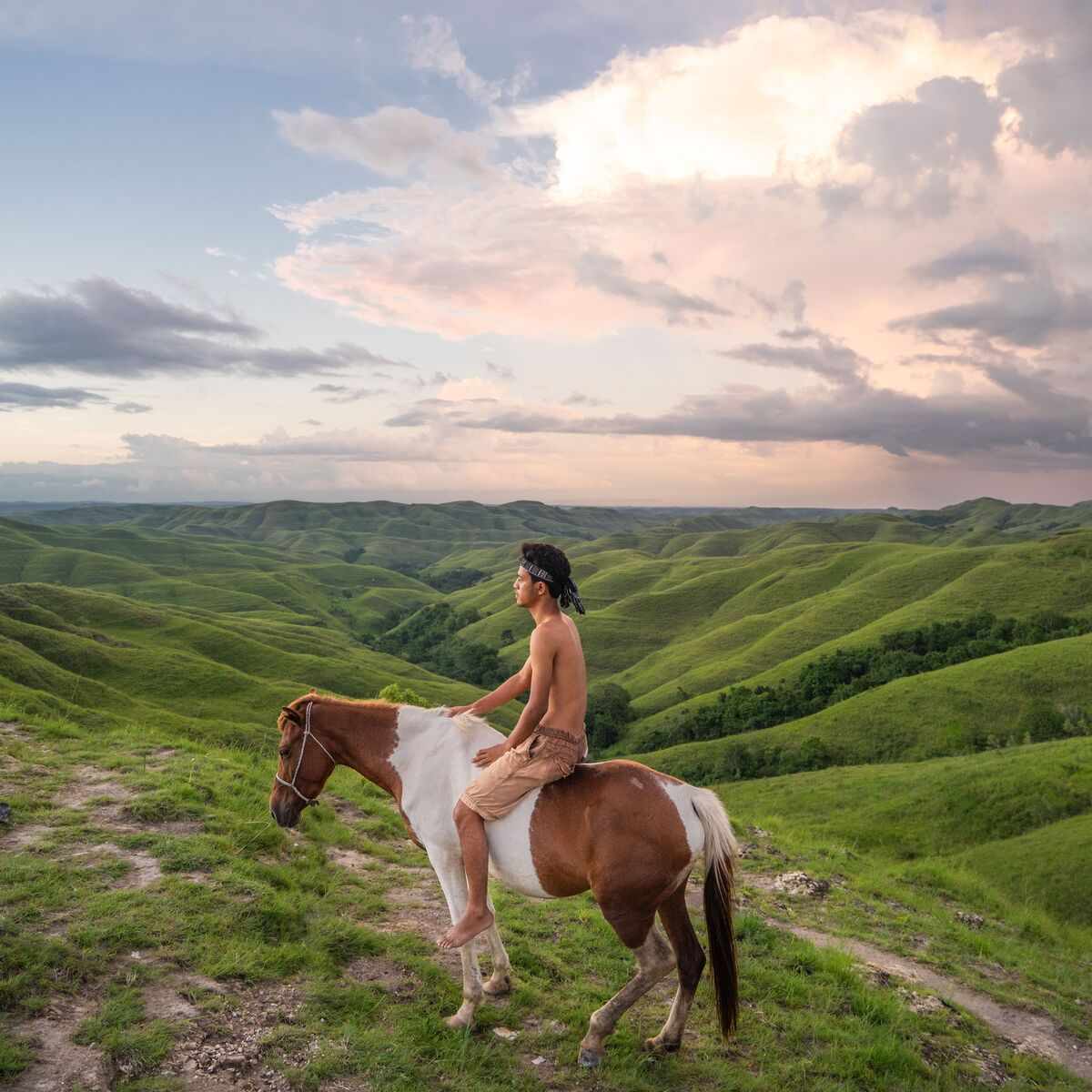
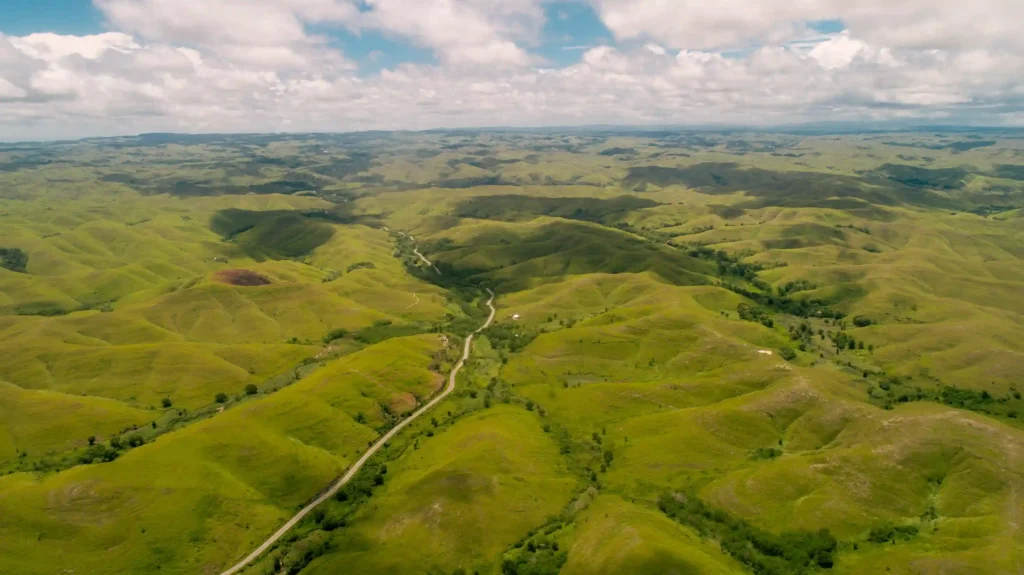
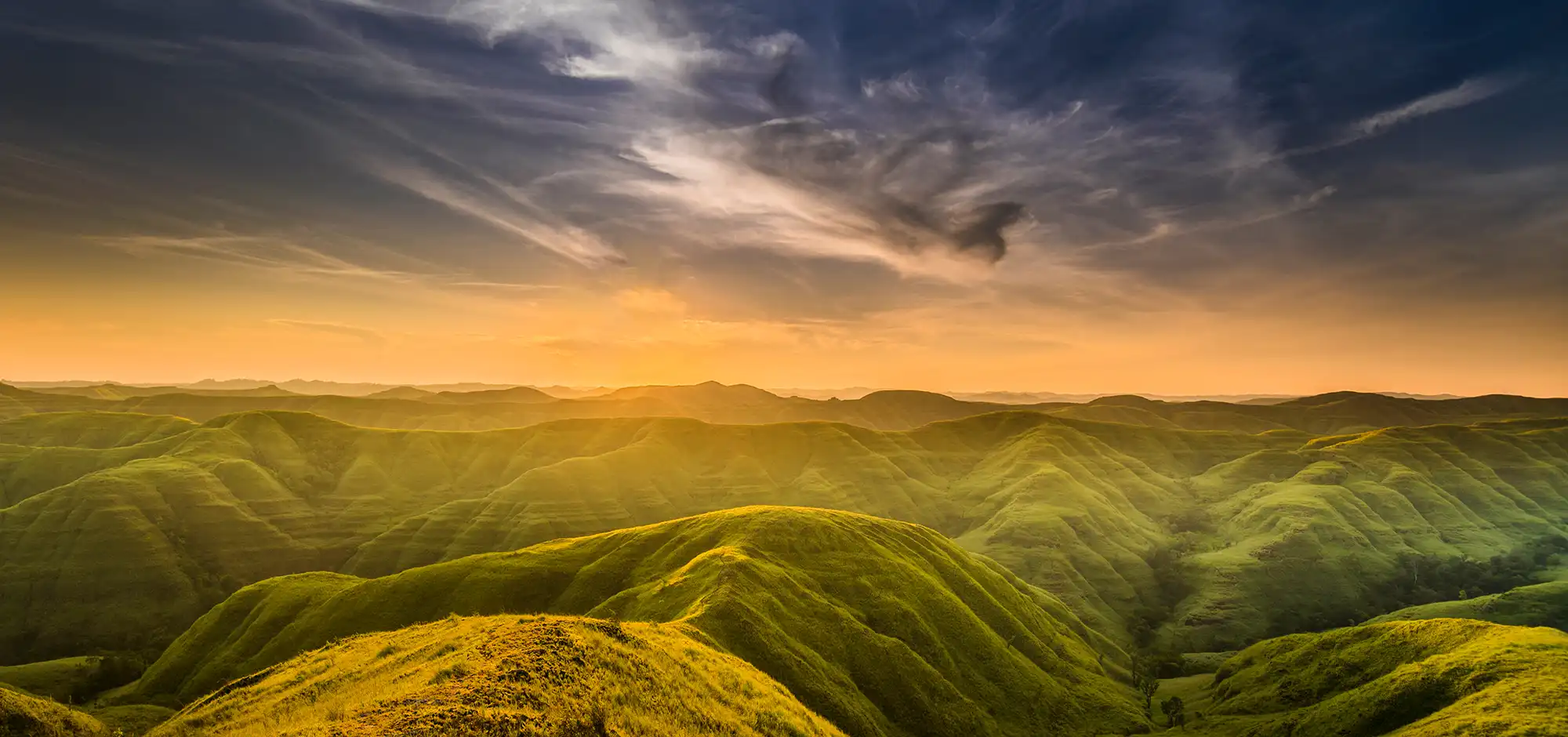
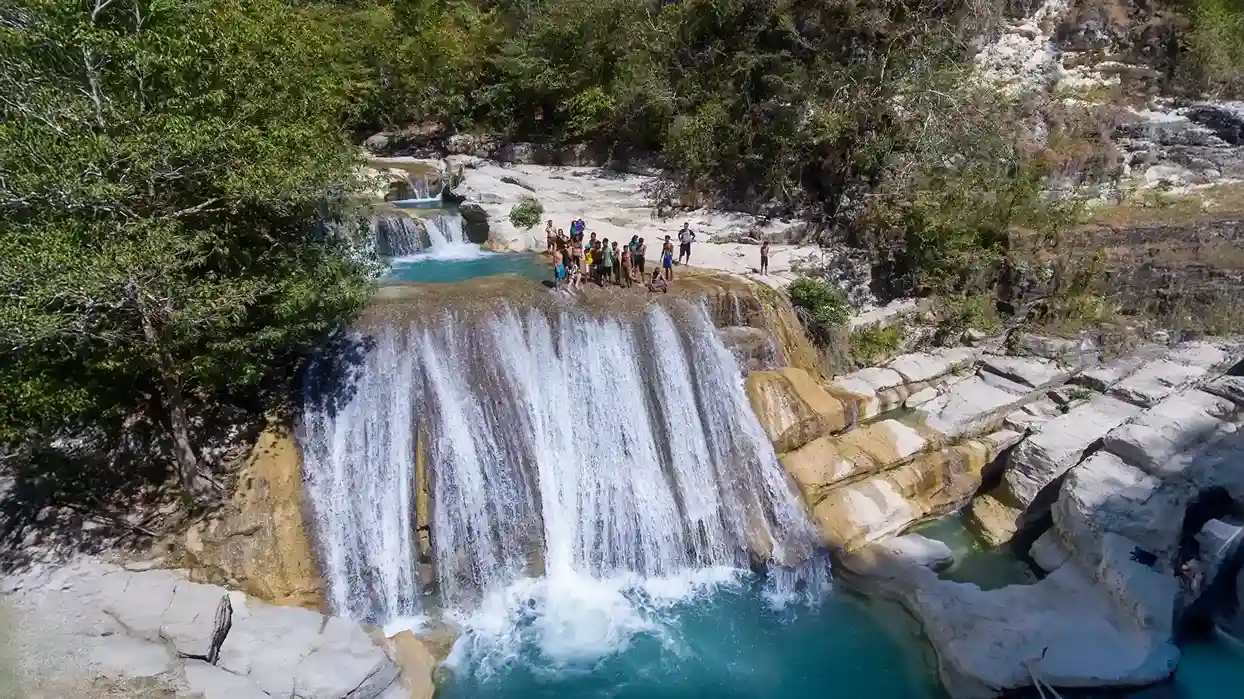
For those eager to experience the vastness of Sumba’s eastern landscapes, an optional extension or alternative route can be arranged. This involves a scenic drive towards East Sumba, a region characterized by expansive savannas and dramatic waterfalls. The journey from West Sumba to East Sumba can take approximately 3-4 hours, covering a distance of about 140 kilometers, but it reveals a different facet of the island’s beauty. You traverse landscapes where wild horses roam freely, a sight that evokes a sense of timeless wilderness. One notable stop is Lapopu Waterfall, a multi-tiered cascade nestled within a lush forest, offering a refreshing swim and a serene natural escape. The walk to the waterfall involves a gentle 15-minute trek through verdant surroundings. Another highlight is Tanggedu Waterfall, often called the “Grand Canyon of Sumba” due to its unique rock formations and powerful flow. Reaching Tanggedu requires a slightly more adventurous 30-minute trek, but the reward is a spectacular natural swimming hole. These eastern excursions provide a stark contrast to the coastal villages, showcasing Sumba’s incredible biodiversity and untamed beauty. An exclusive Sumba Island tour often incorporates these diverse natural wonders.

Day 3: Eastern Sumba’s Wild Heart and Departure

Your final day on this extraordinary Indonesian hidden gem begins with a final gourmet breakfast at your resort. For those who opted to stay in West Sumba, the morning offers a chance for a final immersion. Perhaps a sunrise horseback ride along the beach, a unique experience offered by Nihi Sumba, or a visit to a local school supported by the Sumba Foundation. This foundation has been instrumental in improving health and education on the island, impacting over 25,000 lives annually. Alternatively, if your journey took you to East Sumba yesterday, today focuses on its unique offerings before your departure from Umbu Mehang Kunda Airport (WGP) in Waingapu. We visit the village of Prailiu, renowned for its intricate ikat weaving. Here, you have the opportunity to meet the weavers, observe their painstaking process, and perhaps acquire a genuine piece of Sumbanese artistry directly from the makers. Some large ikat pieces can command prices upwards of IDR 10,000,000, reflecting their artistic and cultural value. The village is only 10 minutes from Waingapu town. Another cultural highlight in East Sumba is the royal village of Umbu Ratu Nggay. It’s a significant historical site, showcasing the traditional architecture and the enduring lineage of Sumbanese royalty. Before heading to the airport, a final stop might be a panoramic viewpoint overlooking the vast savannas, offering a sweeping farewell to Sumba’s iconic landscape. The island spans approximately 11,150 square kilometers, making these panoramic views truly expansive. Your private transfer ensures a seamless journey to the airport, approximately a 20-minute drive from Waingapu town center, for your onward flight, typically back to Bali (DPS), a 1 hour 45 minute flight. You depart with a profound sense of connection to a culture that reveres its past and a landscape that remains refreshingly untamed.

The Sumba Island Tour Experience: Beyond the Itinerary

A luxury Sumba Island tour transcends a mere schedule; it’s an orchestration of sensory delights and profound cultural encounters designed for the most discerning traveler. Our curated itineraries prioritize authenticity and exclusivity, ensuring you experience Sumba not as a tourist, but as an honored guest. Every aspect, from your accommodation to your dining, is handpicked to reflect the island’s unique charm while maintaining the highest standards of luxury. Imagine waking to the sound of the ocean at a private villa, enjoying a breakfast of tropical fruits and freshly brewed Sumbanese coffee, then embarking on an adventure led by a local expert who offers genuine insights into the animist beliefs and customs that define Sumba. We partner with resorts like Nihi Sumba, consistently ranked among the world’s best, known for its commitment to both luxury and community development, with over 90% of its staff being local Sumbanese. The resort’s philosophy of “on top of the edge of wildness” perfectly encapsulates the Sumba experience. Transportation is exclusively via private, air-conditioned 4×4 vehicles, ensuring comfort and access to even the most remote locations. Our guides are not just navigators; they are storytellers and cultural ambassadors, often with deep ancestral ties to the villages you visit. This intimate access allows for meaningful interactions, such as attending a traditional ceremony (if timing permits) or sharing a meal with a local family, an experience that cannot be replicated by mass tourism. We also emphasize sustainable tourism practices, ensuring that your visit benefits the local communities and preserves Sumba’s pristine environment for future generations. The island’s population is approximately 750,000, with a significant portion adhering to the Marapu animist religion, making cultural sensitivity paramount in all interactions. For more details on Sumba’s unique cultural heritage, consult Wikipedia – Sumba.

Investment in Authenticity: Sumba Island Tour Pricing

A luxury Sumba Island tour represents an investment in an unparalleled travel experience, reflecting the bespoke nature of the itinerary, the exclusivity of the accommodations, and the depth of cultural immersion. For a 3-day, 2-night luxury Sumba itinerary, prices typically range from USD 3,500 to USD 6,000 per person, based on double occupancy. This comprehensive pricing model ensures a seamless and worry-free journey, covering nearly all aspects from arrival to departure. Included in this cost are return domestic flights from Bali (Denpasar) to Sumba (Tambolaka or Waingapu), which alone can cost USD 200-400 per person. Accommodation in a top-tier luxury resort, such as Nihi Sumba or a similar boutique property, accounts for a significant portion, averaging USD 1,000-2,500 per night for a premium villa. All private ground transfers in a comfortable 4×4 vehicle with a dedicated driver are included, costing approximately USD 150-250 per day. A highly experienced, English-speaking local guide, providing invaluable cultural insights and logistical support, is also part of the package, typically at USD 100-200 per day. Daily gourmet meals, often featuring organic, locally-sourced ingredients and private dining experiences, are fully covered, budgeting around USD 150-250 per person per day. All entrance fees to villages, waterfalls, and cultural sites are included, usually ranging from IDR 20,000 to IDR 50,000 per site. Bespoke activities, such as private surf lessons, horseback riding, or traditional weaving workshops, are also factored in. What’s generally not included are international flights to Bali, personal shopping, alcoholic beverages outside of specified meals, and gratuities for guides and drivers. We recommend budgeting an additional 10-15% for these discretionary expenses. The value lies not just in the services, but in the access to authentic experiences that are carefully curated to provide both comfort and deep connection to Sumba’s unique heritage. For official tourism information on Indonesia, visit Indonesia.Travel.

Preparing for Your Sumba Island Tour

Embarking on a Sumba Island tour requires a blend of practical preparation and an open mind. While Sumba offers luxury, it also remains wild and authentic, demanding a certain level of readiness from its visitors. Firstly, vaccinations: ensure you are up-to-date on routine immunizations, and consult your doctor about recommended travel vaccinations for Indonesia, including Hepatitis A and B, Typhoid, and Tetanus. Malaria prophylaxis may also be advised for certain regions of Sumba, though the risk is generally lower in coastal areas. Pack light, breathable clothing made from natural fibers, suitable for hot and humid conditions (average humidity is 75%). Include swimwear, a wide-brimmed hat, sunglasses, and reef-safe sunscreen. Comfortable walking shoes or sandals are essential for village visits and light treks, alongside a pair of flip-flops for the beach. For cultural sensitivity, women should carry a sarong or scarf to cover shoulders and knees when visiting villages or religious sites; men should also opt for longer shorts or trousers. Insect repellent is crucial, especially during dawn and dusk. A high-quality camera with extra batteries and memory cards is a must to capture Sumba’s stunning landscapes and vibrant culture. While some resorts offer Wi-Fi, connectivity can be intermittent in remote areas, so prepare for a digital detox. Cash (Indonesian Rupiah) is necessary for small purchases in villages, donations, and tips, as ATMs are scarce outside of Waikabubak and Waingapu. We recommend carrying approximately IDR 2,000,000-3,000,000 in smaller denominations. Respect for local customs, particularly the animist Marapu beliefs, is paramount. Always ask for permission before taking photos of people, especially children, and be mindful of local ceremonies. The best time to visit Sumba is during the dry season, from May to October, when the weather is sunny and ideal for exploration. The island receives around 1,500-2,000 mm of rainfall annually during the wet season. For further details on local regulations and cultural etiquette, consider resources from the Indonesian government via Sekretariat Negara Republik Indonesia.

As your journey concludes, you carry with you more than just memories; you hold the imprint of Sumba’s ancient soul, the warmth of its people, and the raw beauty of its landscapes. This is not a destination to simply check off a list, but a profound encounter that reshapes your perspective. Are you ready to answer the call of Sumba, to embark on a journey that promises not just luxury, but a truly transformative experience? Begin planning your bespoke Sumba Island tour today and discover the last wild frontier of Indonesia with Condé Nast Traveler.