The optimal time for a Sumba Island tour generally aligns with the dry season, spanning from May to October. During these months, the island experiences abundant sunshine, minimal rainfall, and comfortable temperatures, creating ideal conditions for beach relaxation, cultural exploration, and outdoor adventures. This period ensures calm marine waters for exceptional diving and surfing, and clear skies for photography, though luxury accommodations are often booked months in advance.
- Dry Season (May-October): Perfect for beaches, surfing, diving, and horse riding with clear skies and calm seas.
- Shoulder Season (April & November): Offers fewer crowds and better value, with a mix of sun and occasional refreshing showers.
- Wet Season (December-March): Ideal for cultural festivals like Pasola, dramatic landscapes, and the lowest rates on luxury stays.
Imagine the gentle caress of a warm breeze carrying the scent of frangipani, the vibrant emerald of rice paddies after a cleansing rain, or the exhilarating rush of an untouched wave breaking on an empty shore. Sumba, an island of ancient traditions and wild beauty in eastern Indonesia, offers these sensory experiences in abundance. But to truly unlock its magic, to ride the perfect wave, witness a sacred festival, or simply luxuriate in uncrowded serenity, timing is everything. A meticulously planned sumba island tour transcends a mere trip; it becomes an immersion, a curated journey shaped by the rhythm of the seasons. Let us guide you through the nuanced calendar of this captivating island, ensuring your visit aligns perfectly with your desires for an unparalleled luxury escape.
The Dry Season: Sumba’s Golden Window (May to October)
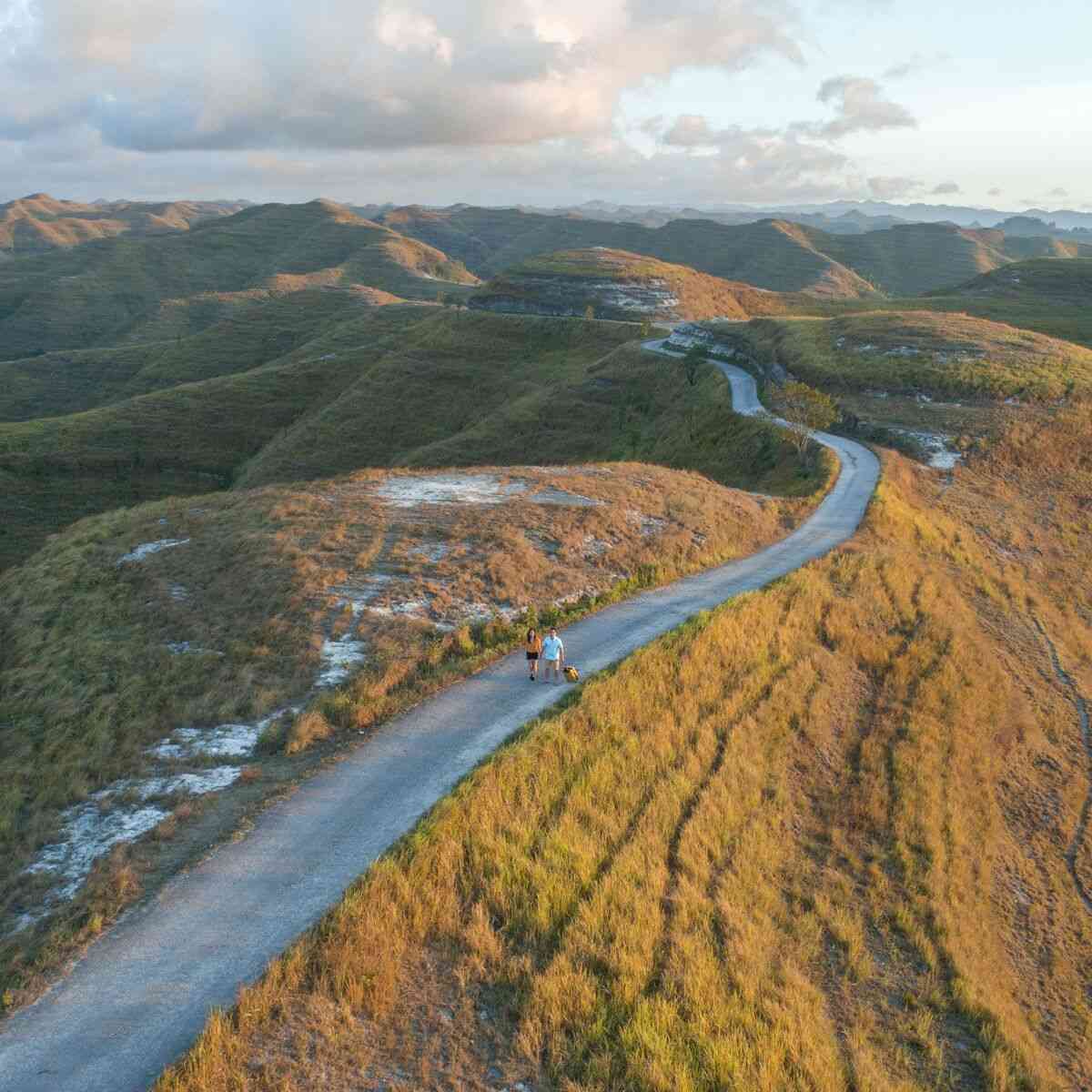
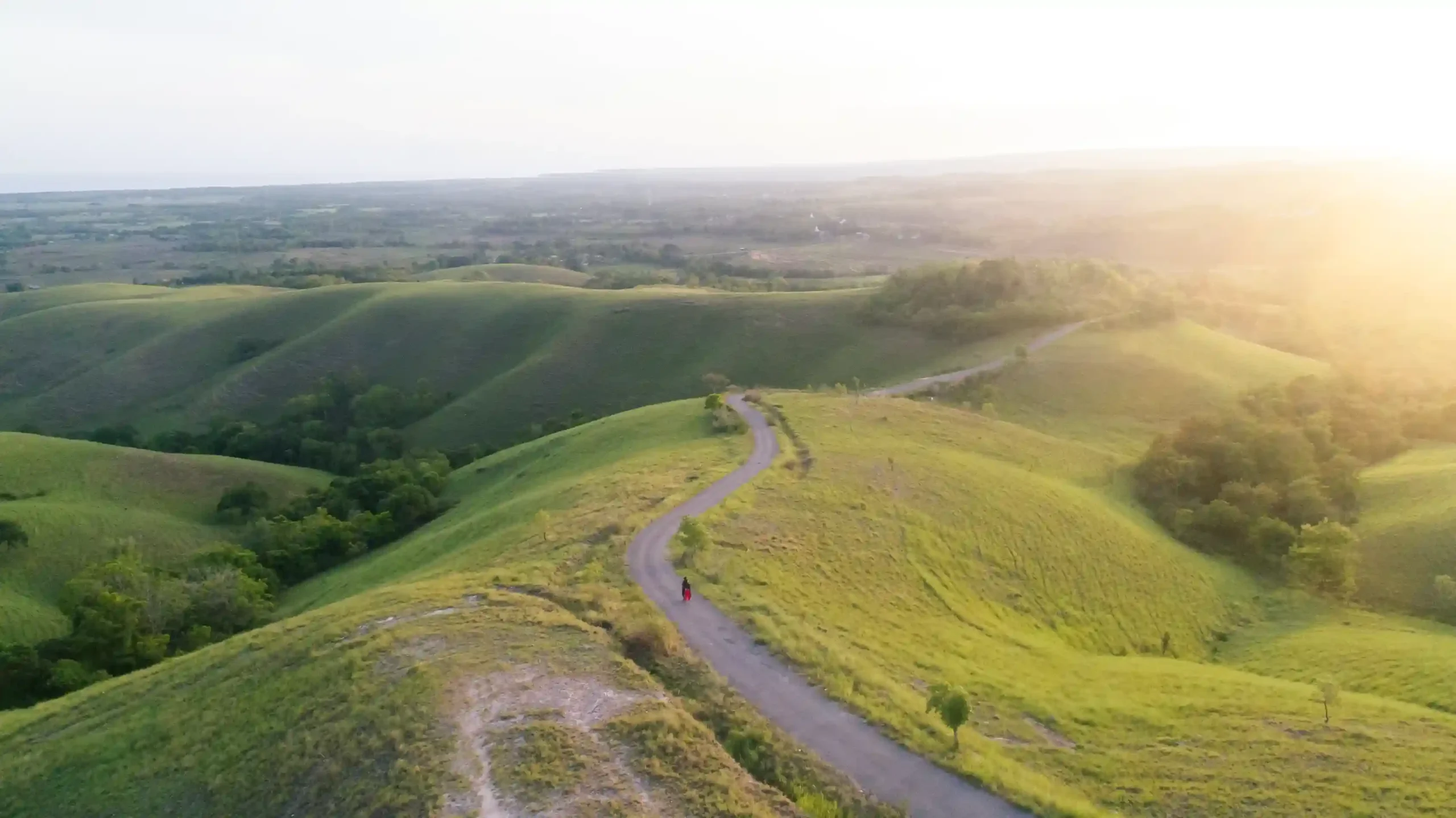
For many discerning travelers, the dry season represents the quintessential period for a Sumba Island tour. From May through October, the island basks in consistent sunshine, offering idyllic conditions for nearly every activity. Temperatures hover comfortably around 28-32°C (82-90°F), with significantly lower humidity compared to the wet season. This translates to crisp, clear mornings and balmy evenings, perfect for al fresco dining at your private villa or stargazing under an unblemished sky. Rainfall is minimal, often less than 50mm per month, ensuring uninterrupted days of exploration. The landscape, while drier than in the wet season, retains a golden hue, especially the vast savannahs that define much of Sumba’s interior.
Marine conditions during these months are exceptional. The Indian Ocean’s waters turn a brilliant turquoise, offering visibility of up to 30 meters for divers and snorkelers exploring vibrant coral reefs off the north coast. Surfing enthusiasts flock to the south, where consistent swells deliver world-class waves, particularly around the iconic breaks near Nihi Sumba. Beaches like Mandorak and Weekuri Lagoon are at their most inviting, with calm, crystal-clear waters ideal for swimming and paddleboarding. While this is Sumba’s peak tourist season, the island’s relatively undeveloped nature means it never feels truly crowded, even at luxury resorts. However, demand for premium accommodations, such as the exclusive Nihi Sumba, is high, with bookings often required 6-9 months in advance to secure your preferred dates. Prices for luxury stays and private guides typically reflect this peak demand, seeing increases of 15-25% compared to the shoulder season. Expect average nightly rates at top-tier properties to start from $1,200 USD during these months.
May and June: Lush Landscapes and Gentle Breezes
The months of May and June serve as a beautiful bridge between the wet and dry seasons, often considered a shoulder period that offers the best of both worlds. The landscape, still vibrant green from the preceding rains, gradually begins to dry, creating a verdant tapestry against the increasingly clear blue skies. Rainfall significantly decreases, averaging around 70-100mm, usually manifesting as short, refreshing afternoon showers rather than prolonged downpours. Temperatures remain pleasant, averaging 27°C (81°F). This period is particularly enchanting for photography, as waterfalls like Lapopu are still flowing strong, and the rice terraces are at their most lush before the full dry season sets in. Crowds are noticeably thinner than in the peak months of July and August, allowing for a more intimate experience at popular sites and a greater sense of tranquility. Luxury resorts may offer slightly more flexibility in bookings and potentially more competitive rates, sometimes 10-15% lower than peak season, making it an attractive option for value-conscious luxury travelers. The marine conditions are already excellent, with calm waters and good visibility for early-season diving and snorkeling. Surfing begins to pick up, providing consistent, less crowded breaks for those seeking an early-season wave.
July and August: Peak Season Perfection
July and August represent the zenith of the dry season, offering what many consider the absolute best weather for a Sumba Island tour. These months boast the lowest humidity, highest number of sunshine hours – often exceeding 9 hours per day – and virtually no rainfall, typically less than 30mm for the entire month. The skies are consistently clear, and the ocean is at its calmest, making it the prime time for all water-based activities. Average temperatures hover around 29°C (84°F), creating ideal conditions for exploring Sumba’s rugged coastlines, embarking on horseback adventures across savannahs, or simply unwinding by the pool of your luxury retreat. This period sees the highest demand for flights into Tambolaka (TMC) and Waingapu (WGP) airports, with direct flights from Bali (DPS) often booked out weeks in advance. A typical flight from Denpasar to Sumba takes approximately 1 hour and 15 minutes. Luxury resorts operate at near-full capacity, and booking 9-12 months ahead is highly recommended to secure your preferred suite or villa. Expect the highest pricing during these months, reflecting the premium conditions and demand. Despite the increased visitor numbers, Sumba’s vastness and the exclusive nature of its luxury offerings ensure a sense of privacy and seclusion remains. This is also a fantastic time for cultural encounters, as traditional villages are easily accessible, and local communities are often engaged in daily life under the clear skies.
The Shoulder Season: A Strategic Approach (April & November)
For those seeking a more nuanced and potentially more rewarding sumba island tour experience, the shoulder months of April and November present compelling arguments. These periods offer a delightful compromise between the extremes of the dry and wet seasons, characterized by a transition in weather patterns and a noticeable drop in visitor numbers. In April, Sumba is still vibrant and green from the receding wet season, but the heavy rains have largely subsided. You can expect a mix of sunshine and occasional, short-lived showers, typically lasting no more than an hour or two. Average monthly rainfall for April is around 150-200mm, but these showers often bring a refreshing quality to the air and leave the landscapes sparkling. Temperatures remain warm, averaging 28°C (82°F). November, conversely, marks the approach of the wet season, with increasing humidity and a higher chance of afternoon downpours, averaging 180-250mm of rain. However, mornings are usually bright and clear, offering ample opportunity for activities. The island begins to transform from its golden dry season hues to a lush green, a visual treat for nature photographers.
A significant advantage of traveling during the shoulder season is the substantial reduction in crowds. You’ll find popular beaches and cultural sites far less populated, allowing for a more authentic and private exploration. This reduced demand also translates into more attractive pricing for luxury accommodations and bespoke tour services. Discounts of 15-30% on nightly rates are not uncommon, making a high-end Sumba experience more accessible. Flights might also be slightly cheaper and more readily available. Marine conditions remain generally good, especially in early April and late November. While the seas might be slightly choppier than in peak dry season, visibility for diving and snorkeling is still excellent on many days, particularly in sheltered bays. For surfers, the waves are consistent, and you’ll often have breaks almost entirely to yourself. These months are ideal for travelers who prioritize a more serene, intimate encounter with Sumba’s culture and natural beauty, valuing authenticity over guaranteed unbroken sunshine. It’s a strategic choice for those who appreciate the dynamic beauty of a changing landscape and the peace of fewer footsteps.
The Wet Season: An Intimate Sumba (December to March)
Embracing a Sumba Island tour during the wet season, from December to March, reveals a dramatically different, yet equally captivating, facet of the island. This period is characterized by higher rainfall, averaging 250-350mm per month, and increased humidity, leading to lush, emerald landscapes and full, cascading waterfalls. Temperatures remain warm, typically around 26-29°C (79-84°F). While some days may bring prolonged rain, often the pattern involves intense, tropical downpours interspersed with periods of bright sunshine, creating dramatic skies that are a photographer’s dream. The island transforms into a vibrant canvas of greens, with rice paddies glistening and the savannahs bursting with life.
The most compelling reason to consider a wet season visit, particularly in February or March, is the chance to witness the spectacular Pasola Festival. This ancient ritual, a bareback spear-fighting ceremony between two groups of Sumbanese horsemen, is a profound cultural experience rooted in harvest rituals. The exact dates of Pasola are determined by local Rato (priests) based on the full moon and marine worms (nyale) appearing on the shore, typically falling between late February and mid-March. Attending Pasola is an unparalleled opportunity to delve deep into Sumba’s animistic traditions, though it requires flexibility and local guidance due to its fluid scheduling. Learn more about the Pasola Festival on Wikipedia.
During the wet season, tourist numbers plummet, offering the ultimate in seclusion and privacy. Luxury resorts, while still providing impeccable service, operate with significantly fewer guests, ensuring an exceptionally personalized experience. This reduced demand translates into the lowest pricing windows of the year, with discounts on luxury accommodations often reaching 30-50% compared to peak season rates. It’s an opportune time for a truly exclusive and indulgent escape without the peak season premium. Marine conditions are generally choppier, with reduced visibility for diving and snorkeling, and some surf breaks may be less consistent or accessible. However, sheltered bays can still offer enjoyable water activities. This season is perfect for travelers who prioritize cultural immersion, dramatic natural beauty, and unparalleled privacy, valuing the unique atmosphere and exceptional value over guaranteed dry weather. Engaging with local communities, exploring traditional villages, and indulging in spa treatments become even more appealing activities amidst the occasional tropical showers. Consider booking a private car with a knowledgeable guide to navigate potential road conditions and access remote areas during this period, enhancing your sumba island tour with local expertise.
Marine Conditions: Surfing, Diving, and Snorkeling
Sumba’s allure extends far beyond its land-based marvels, drawing adventurers to its pristine waters for world-class surfing, diving, and snorkeling. Understanding the seasonal nuances of marine conditions is crucial for planning the aquatic segment of your sumba island tour. For surfers, the dry season, from May to October, is undeniably the prime window. During these months, consistent south-southwest swells generated in the Indian Ocean funnel towards Sumba’s exposed southern coastline, delivering powerful, hollow waves. Iconic breaks like those near Nihi Sumba and Munduk often light up, offering challenging barrels for experienced surfers. Wave heights can range from 1.5 to 3 meters (5-10 feet) or more on bigger days, with clean, offshore winds prevailing. While other breaks exist, the consistency and quality during the dry season are unmatched. Accessing these remote surf spots often requires a boat or a 4×4 vehicle, adding to the adventure.
For divers and snorkelers, the dry season also offers optimal conditions, particularly from June to September. The waters are at their calmest, and visibility can reach an impressive 20-30 meters (65-100 feet), revealing vibrant coral gardens teeming with marine life. Popular areas for underwater exploration include the waters around Waikabubak on the north coast and the lesser-explored east coast, which boasts diverse reef ecosystems. Expect to encounter an array of colorful fish, reef sharks, turtles, and even occasional manta rays. As the wet season approaches (November-April), increased rainfall can lead to runoff, slightly reducing visibility, and choppier seas may make some dive sites less accessible. However, sheltered bays and specific dive operators can still provide rewarding experiences. Even in the wet season, the water temperature remains a comfortable 26-29°C (79-84°F) year-round. For those passionate about marine exploration, a dedicated Sumba diving and snorkeling tour during the dry months promises unparalleled underwater spectacles, ensuring you experience the best of Sumba’s aquatic treasures.
Cultural Immersion and Festivals: Timing Your Visit
Sumba is a living museum of ancient animistic traditions, and timing your visit to coincide with its vibrant cultural festivals offers an unparalleled depth of immersion into the island’s soul. While daily life in traditional villages like Ratenggaro and Praijing can be observed year-round, certain ceremonies and events are tied to specific seasons. The most renowned festival, the Pasola, as mentioned, is a spectacular highlight of the wet season (February-March). This ritualized spear-fighting on horseback is a raw, powerful expression of Sumbanese belief, performed to ensure a successful harvest and maintain balance with the spiritual world. The precise dates are determined by traditional priests (Rato) based on ancestral calculations and the appearance of the nyale sea worms, making it an experience that requires flexibility and a willingness to embrace the island’s unique rhythms. Typically, there are four Pasola events held across different districts in West Sumba and Southwest Sumba during this period, often within a week of each other. The event attracts thousands of local participants and a growing number of international visitors.
Beyond Pasola, numerous other ceremonies, such as funeral rites (adat kematian) and house-building rituals (adat rumah), occur throughout the year. While less predictable than Pasola, these events offer profound insights into the intricate social fabric and spiritual practices of the Sumbanese people. The dry season (May-October) generally offers easier access to remote villages and ceremonial sites due to better road conditions. Many communities also hold harvest festivals (Wulla Poddu in Southwest Sumba, for example) which are less intense than Pasola but still showcase traditional music, dance, and communal feasts. Engaging a local guide is paramount for respectfully attending and understanding these ceremonies. They can provide invaluable context, navigate local customs, and help arrange private visits to traditional villages, ensuring an authentic and enriching cultural exchange. For a truly deep dive into Sumba’s heritage, consider exploring a Sumba cultural experiences tour, which can be tailored to incorporate seasonal events. The island’s rich cultural tapestry, with its megalithic tombs and intricately carved houses, is a constant presence, but seasonal festivals amplify its vibrant spirit.
Navigating Sumba’s Logistics: Flights, Resorts, and Guides
Planning a luxury sumba island tour requires careful attention to logistics, as Sumba remains a relatively off-the-beaten-path destination compared to Bali. The island is served by two main airports: Tambolaka (TMC) in West Sumba and Waingapu (WGP) in East Sumba. Most luxury travelers arrive via Tambolaka, which provides closer access to iconic resorts like Nihi Sumba and the stunning beaches of Southwest Sumba. Direct flights from Bali (Denpasar, DPS) are available daily, typically operated by Garuda Indonesia, Citilink, and Wings Air, with a flight duration of approximately 1 hour and 15 minutes. During the peak dry season (July-August), these flights, especially those with premium cabin options, can sell out weeks or even months in advance. Booking at least 3-4 months ahead is strongly recommended for seamless travel. Prices for a round-trip economy ticket from Bali can range from $150-$300 USD, fluctuating significantly with demand.
Luxury accommodations on Sumba are world-class but limited in number. Resorts like Nihi Sumba, which has consistently been voted among the world’s best, and other boutique properties offer unparalleled experiences. These exclusive retreats operate with high occupancy rates, particularly during the dry season. To secure your preferred dates and specific villas, it is advisable to book 6-12 months in advance, especially for stays in July, August, or over major holidays. Average nightly rates for such properties typically begin at $800-$1,000 USD and can exceed $2,500 USD for premium villas. The shoulder season (April, May, October, November) often presents more flexibility and potential for securing desirable rooms with slightly less lead time, sometimes as little as 3-4 months. For a comprehensive guide to the island’s top stays, explore our Sumba luxury resorts page.
Given Sumba’s rugged terrain and the desire for a truly immersive experience, engaging a private, knowledgeable guide is not merely a convenience but an essential component of a luxury tour. Guides provide invaluable cultural insights, navigate local etiquette, and ensure smooth access to remote villages and natural wonders. They can also assist with transportation, typically in comfortable 4×4 vehicles, which are crucial for exploring the island’s less-developed roads. Expect to budget $100-$200 USD per day for a private car and guide, depending on the itinerary and inclusions. Pre-booking your guide and vehicle well in advance, especially for peak season travel, is highly recommended to guarantee availability and ensure a perfectly tailored adventure. For more detailed information on travel logistics, refer to our guide on how to get to Sumba.
Sumba, with its untouched landscapes and profound cultural heritage, promises an extraordinary journey. Whether you seek the sun-drenched perfection of the dry season, the intimate allure of the wet season’s festivals, or the serene charm of the shoulder months, understanding its seasonal rhythms is key. Each period offers a distinct canvas for your luxury escape, from surfing world-class waves to witnessing ancient rituals. Let Condé Nast Traveler be your compass to crafting the ultimate sumba island tour, a bespoke adventure designed to resonate with your deepest desires for discovery and indulgence. The time to experience this remarkable island is now; begin planning your unparalleled journey to Sumba, where timeless beauty awaits.