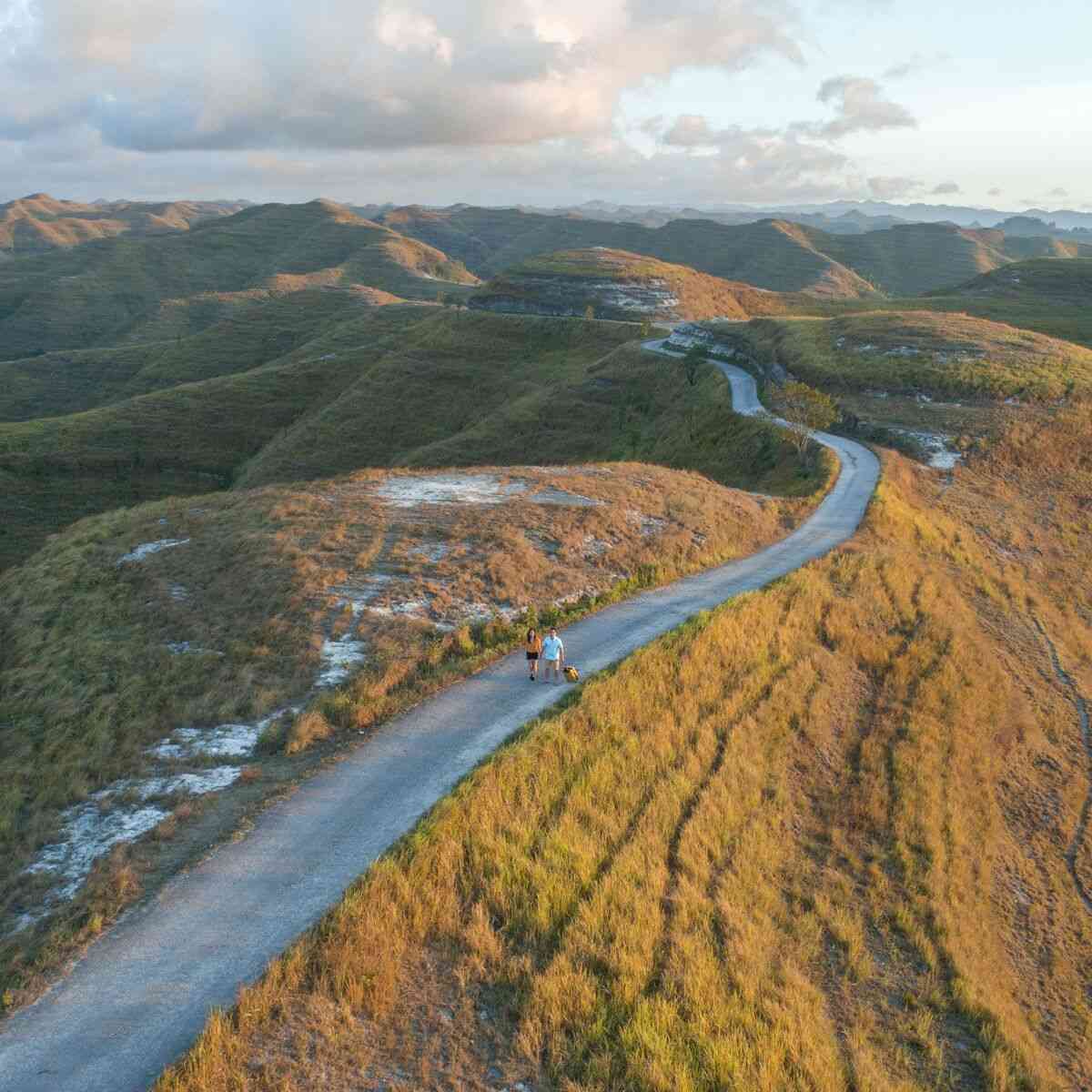
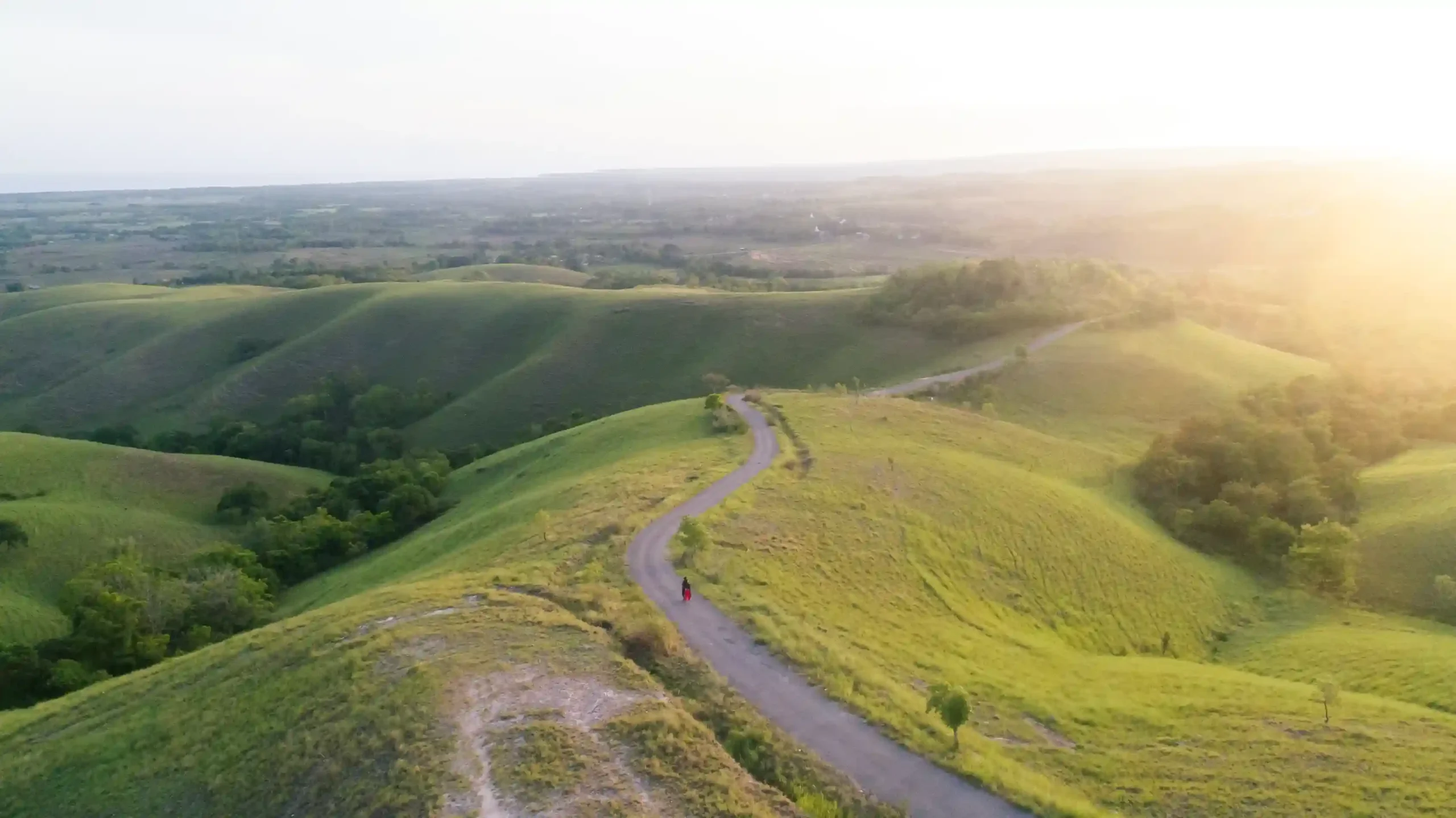
Sumba reveals itself through its seasons, a dynamic landscape shifting from parched savannah to verdant expanse. Understanding these rhythms is key to experiencing the island’s authentic character, from ancient Marapu ceremonies to the pristine shores of Nihiwatu.
The Dry Season: April to October – Optimal Conditions for Exploration
The dry season on Sumba Island, extending from April through October, presents the most favorable conditions for a comprehensive Sumba Island tour. Skies remain consistently clear, offering uninterrupted days for exploration and photography. Rainfall is minimal, ensuring that Sumba’s unpaved interior roads are easily navigable, facilitating access to remote traditional villages such as Tarung Praijing and Wainyapu. Average daily temperatures during this period hover around 28°C, with humidity levels lower than in the wet season. Many visitors, particularly guests of Nihi Sumba, find these months ideal for enjoying the resort’s extensive beachfront and outdoor activities.
April and May represent a transitional phase; the landscape retains a lushness from recent rains, yet the skies are largely blue. This specific window offers a unique blend of vibrant green scenery and fewer crowds, making it an excellent time for cultural travelers seeking both natural beauty and intimate village interactions. The iconic megalithic tombs of Ratenggaro, standing sentinel near the sea, are particularly striking against the backdrop of a verdant Sumba. From June to August, Sumba experiences its driest and sunniest period. This peak dry spell is perfect for coastal activities, including surfing at secret breaks on the island’s southwest coast or horseback riding along Nihiwatu beach. Water visibility for snorkeling and diving off the coast is at its clearest, often exceeding 20 meters. However, these months also see higher visitor numbers, especially around Nihi Sumba, which typically operates at high occupancy. September and October usher in another transition, with the landscape gradually drying further, yet the light remains exceptional for capturing Sumba’s unique topography and the daily lives of its people. This period is also popular for birdwatching, as migratory species begin their movements. The overall ease of travel across the island, from the eastern gateway of Waingapu to the western airport of Tambolaka, makes logistical planning straightforward.
The Wet Season: November to March – Lush Landscapes and Cultural Depth
From November to March, Sumba Island enters its wet season, transforming the dry, golden savannahs into a vibrant, emerald landscape. While the term “wet season” might evoke images of relentless downpours, Sumba’s rainfall often manifests as intermittent tropical showers, typically occurring in the late afternoon or overnight. These periods of rain invigorate the island’s ecosystems, creating dramatic cloud formations and soft, diffused light highly prized by photographers. The average rainfall across Sumba during these months can range from 150mm to 300mm per month, with variations between the drier east and wetter west. This seasonality offers a distinct experience for those seeking a deeper cultural immersion and a more solitary Sumba Island tour.
Travelers during the wet season often encounter fewer tourists, leading to more intimate interactions with local communities and potentially more competitive pricing for accommodations and services outside of peak festival times. Road conditions, particularly on unpaved village access routes, can become challenging, with some sections requiring a 4×4 vehicle. Access to certain remote areas or specific waterfalls might be temporarily restricted due to swollen rivers or muddy tracks. Despite these logistical considerations, the wet season is a time of intense agricultural activity and significant Marapu religious ceremonies, which are often tied to the planting and harvest cycles. Visits to traditional villages like Tarung Praijing or Wainyapu during this time can offer insights into daily life less visible during the dry months. The cooler temperatures and verdant scenery enhance the beauty of Sumba’s traditional stone graves and megalithic structures, providing a different aesthetic for exploration. Many ikat textile artisans are actively engaged in weaving and natural dyeing processes during this period, often utilizing the abundance of rainwater. For those planning a journey between Tambolaka (West Sumba) and Waingapu (East Sumba), it is advisable to allow extra travel time due to potential road impacts.
Pasola Festival: A Time-Sensitive Spectacle
The Pasola ritual war stands as Sumba’s most iconic and culturally significant event, drawing visitors seeking a profound connection to the island’s ancient Marapu traditions. Its timing is not fixed to a Gregorian calendar date but is instead determined by the full moon and the appearance of the Nyale sea worms (Eunice viridis) along the shores of West Sumba, typically occurring in February or March. This makes planning a Pasola-focused Sumba Island tour a precise exercise in timing and flexibility. The festival involves hundreds of horseback riders, armed with wooden spears, engaging in mock battles across designated fields, a spectacle of immense energy and spiritual significance. The Pasola is not merely a performance; it is a sacred ritual to appease the Marapu ancestors and ensure a bountiful harvest.
Four primary Pasola sites exist in West Sumba: Lamboya, Kodi, Wanokaka, and Gaura. The exact dates for each site are announced by local Marapu priests (Rato) only a few weeks, sometimes even days, in advance. This requires travelers to remain flexible with their itinerary and monitor official announcements, often available through the Indonesian Ministry of Tourism or specialist tour operators like sumbaislandtour.com. Accommodation, particularly at luxury resorts such as Nihi Sumba, books out months in advance during Pasola season due to high demand. Even local guesthouses in Tambolaka and Waikabubak see significant occupancy increases. Attending Pasola offers a rare opportunity to witness a living tradition rooted in ancient animist beliefs. Pre-Pasola rituals, including the Nyale worm ceremony where local priests predict the harvest based on the worms’ abundance, are equally compelling. The sheer scale of the event, with thousands of local spectators, creates an atmosphere unlike any other. Photographers, in particular, find the dynamic action and vibrant cultural display a unique challenge and reward. Understanding the spiritual significance and respecting local customs during the Pasola is paramount for all visitors.
Photography and Light: Capturing Sumba’s Essence
For photographers, the choice of season profoundly impacts the visual narrative of a Sumba Island tour. The island’s diverse landscapes, from rolling hills to traditional villages and pristine beaches, respond differently to the varying light conditions throughout the year. During the dry season (April to October), the sun is often intense, leading to harsh midday light with strong contrasts. This necessitates strategic timing for photography, focusing on the “golden hours” of sunrise and sunset. These periods cast a warm, soft glow over the landscape, ideal for capturing the intricate details of megalithic tombs in Ratenggaro or the weathered wood of traditional Marapu houses in Tarung Praijing. Clear dry season skies also provide excellent opportunities for astrophotography, revealing the Milky Way over Sumba’s unpolluted horizons.
Conversely, the wet season (November to March) offers a completely different palette. The frequent cloud cover diffuses the sunlight, creating a softer, more even illumination that reduces harsh shadows and enhances color saturation. This light is particularly advantageous for portraiture and capturing the vibrant greens of the rejuvenated landscape. Dramatic storm clouds often form, providing powerful backdrops for Sumba’s rugged coastline or the expansive fields around Waingapu. While rain can pose logistical challenges, it also introduces elements like misty mornings in the hills or reflective surfaces after a shower, adding depth and atmosphere to photographs. Capturing the Pasola festival, which occurs in the wet season, presents its own set of photographic considerations. The fast-paced action, dust kicked up by hundreds of horses, and unpredictable weather demand quick reflexes and weather-sealed equipment. Photographers often find that both seasons offer unique opportunities, making Sumba a year-round destination for visual storytelling. The average daily light hours range from 10-12 hours, providing ample time for capturing the island’s beauty.
Regional Nuances and Local Considerations
Sumba Island, despite its relatively compact size of approximately 11,000 square kilometers, exhibits distinct regional nuances that influence the optimal timing for a Sumba Island tour. East Sumba, with its capital Waingapu, tends to be drier and more arid, characterized by expansive savannahs and rolling hills, particularly noticeable during the dry season. West Sumba, encompassing Tambolaka and Waikabubak, receives more rainfall and maintains a greener, more fertile landscape for longer periods. This difference impacts road conditions, with unpaved routes in the west potentially becoming more challenging in the wet season due to increased mud and river crossings. The distance between Waingapu and Tambolaka is approximately 130 kilometers, a journey that can take 3-4 hours in dry conditions but significantly longer during heavy rain.
Local events beyond the Pasola also influence travel experiences. Throughout the year, various villages observe Marapu religious ceremonies, harvest festivals, or traditional weddings. These events, while less publicized than Pasola, offer profound cultural insights. Engaging a local guide, particularly one with strong community ties, is indispensable for understanding these ephemeral timings and gaining respectful access. Water availability is another consideration; while luxury accommodations like Nihi Sumba have robust infrastructure, some remote villages, especially in East Sumba, may experience water scarcity during the peak dry months of August and September. This can impact visitor facilities in more rudimentary guesthouses. Ikat textile production, a cornerstone of Sumba’s cultural heritage, occurs year-round, but specific natural dyeing processes might be more active during the wet season when certain plants are abundant. Understanding these local conditions, from the nuances of climate to the rhythms of community life, allows for a more informed and enriching Sumba Island tour. The island supports over 750,000 residents, with agriculture being the primary livelihood.
Planning Your Sumba Island Tour: Insider Tips
Effective planning is crucial for maximizing the Sumba Island tour experience, irrespective of the chosen season. For flights, Tambolaka (TMC) in West Sumba and Waingapu (WGP) in East Sumba are the two primary airports, with daily connections from Bali (Denpasar, DPS) and Kupang (KOE). Booking flights several months in advance is advisable, especially during peak dry season or Pasola. Accommodation ranges from luxury resorts like Nihi Sumba, which requires reservations up to a year ahead, to comfortable guesthouses and boutique hotels. During the Pasola, all accommodations experience extremely high demand, often selling out.
Transportation on Sumba Island typically involves private vehicle hire with a driver. A 4×4 vehicle is strongly recommended, particularly if planning to explore remote areas or travel during the wet season, where unpaved roads can become muddy and challenging. The average cost for a private car with a driver can range from IDR 700,000 to IDR 1,000,000 per day, depending on the vehicle type and itinerary. Engaging a knowledgeable local guide is not merely a convenience but a necessity for a culturally sensitive and efficient Sumba Island tour. Guides provide invaluable insights into Marapu religion, local customs, and facilitate respectful interactions with village communities. They can also navigate the intricacies of unannounced ceremonies or local festivals. Flexibility in your itinerary is paramount, especially when aiming to witness a Pasola festival or other Marapu events whose dates are fluid. Health precautions include bringing insect repellent, sun protection (Sumba lies just 10 degrees south of the equator), and any necessary personal medications. Respecting local customs, such as dressing modestly when visiting villages and asking for permission before photographing individuals, enhances the visitor experience and fosters positive community relations. For specific interests, such as surfing or birdwatching, consulting a specialist operator like Sumba Island Tour for the most opportune timing is recommended.
Sumba’s allure lies in its authenticity and the profound connection to its ancient Marapu heritage. By understanding the island’s seasonal rhythms and leveraging local knowledge, you craft a journey that resonates deeply with its spirit. Plan your Sumba Island tour with us to unlock its timeless wonders. Visit our homepage for bespoke itinerary planning and further insights into this extraordinary destination.