Sumba Journal
How Much Does a Luxury Sumba Trip Cost in 2024?
11 min read
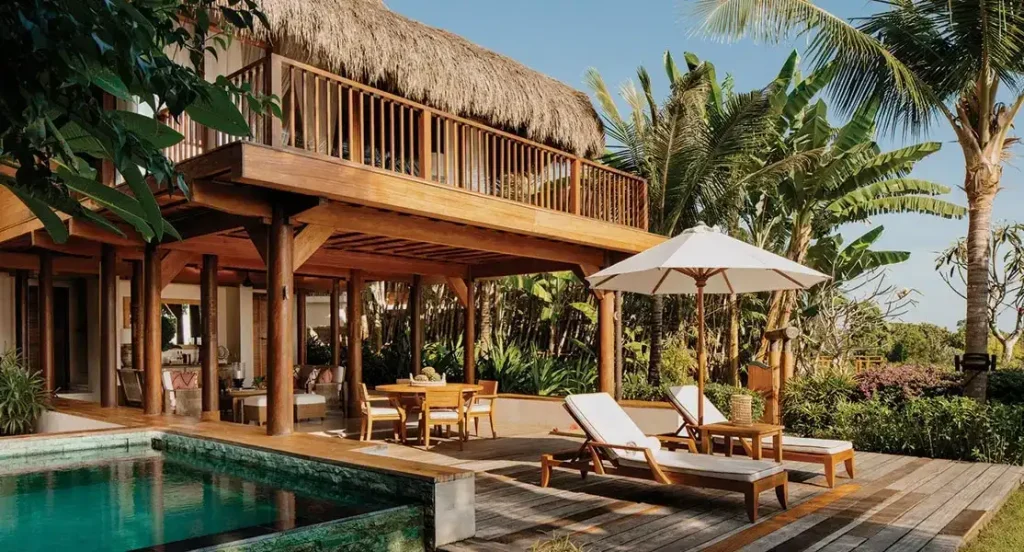
- Accommodation: World-class resorts like NIHI Sumba or Cap Karoso represent 60-70% of the total budget.
- Logistics: Private 4×4 transport and expert local guides typically add $300-$500 to the daily cost.
- Airfare: Round-trip flights from Bali (DPS) to Tambolaka (TMC) range from $200 to $400 per person.
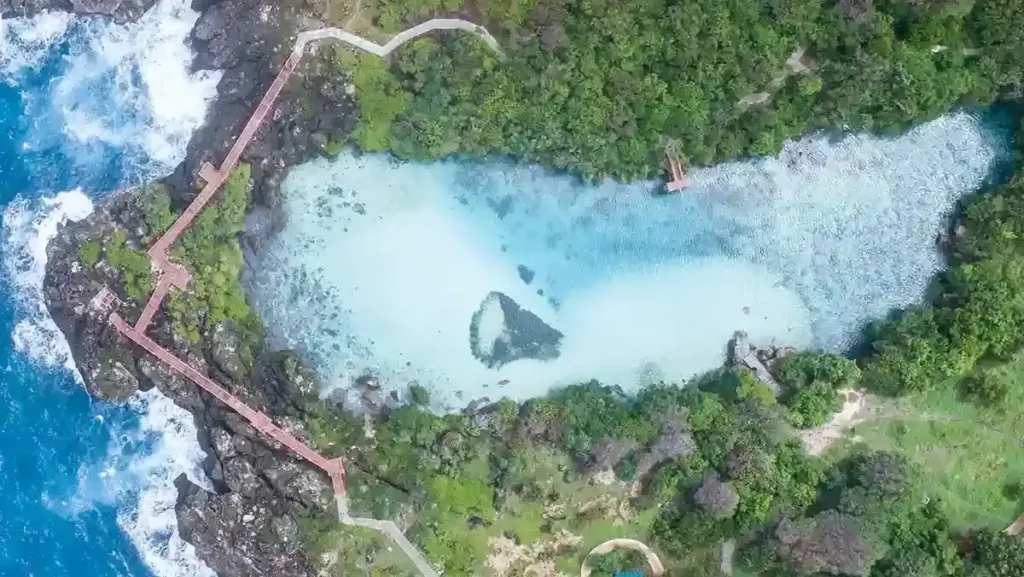
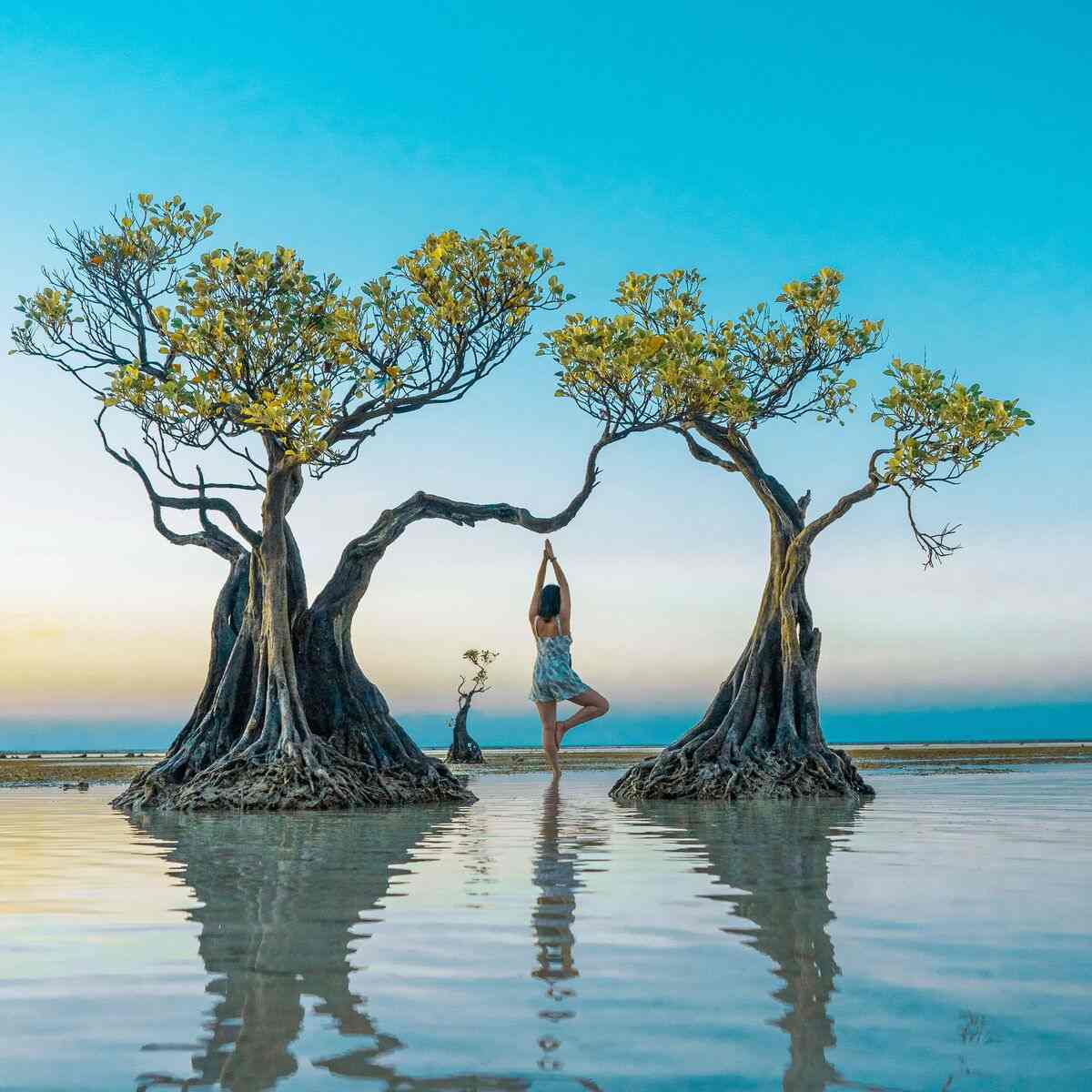
The air is thick with the scent of dried grass and the faint, sweet perfume of sandalwood smoke drifting from a nearby village. Below, the Indian Ocean detonates in turquoise and white against a two-kilometer stretch of deserted sand. The only sound is the rhythmic thud of a Sumba pony’s hooves as it gallops along the shoreline, its rider a silhouette against the setting sun. This is not the familiar luxury of Bali or Thailand. This is Sumba—an island operating on a different frequency, a place where raw nature and ancient culture dictate the terms. But gaining access to Indonesia’s final frontier of untamed elegance comes with a distinct price tag. As a travel editor, the most common question I receive about this enigmatic island is not about its culture, but its cost. So, let’s break down the investment required for a truly exceptional Sumba experience in 2024.
The Epicenter of Expense: Decoding Sumba’s Elite Accommodation
Let’s be direct: your choice of lodging will be the single largest line item on your Sumba budget, likely accounting for over two-thirds of your total spend. The island’s luxury landscape is dominated by a few standard-bearers that define the experience. The most globally recognized is NIHI Sumba, a property that has topped travel lists for nearly a decade. A one-bedroom villa here, known as a “Lamba,” starts around $1,500 per night during the shoulder season. This rate climbs steeply, with larger estates like the five-villa Raja Mandaka complex commanding over $20,000 per night. NIHI operates on a mostly all-inclusive basis, covering three meals daily, non-alcoholic beverages, and a selection of activities. This model simplifies on-the-ground budgeting but demands a significant upfront commitment. The cost secures not just a villa, but access to their 2.5-kilometer private beach, world-class equestrian facilities, and the philanthropic efforts of the Sumba Foundation, which the resort heavily supports.
The island’s other heavyweight is Cap Karoso, a more recent addition with a sharp focus on contemporary design, art, and gastronomy. It presents a different, more modular approach to pricing. Studios begin around $450 per night, while sprawling three-bedroom villas with private pools can reach $1,500. Unlike NIHI, its rates are typically bed-and-breakfast, giving you more flexibility but requiring a separate budget for dining and activities. As Jean-Marc, the resort’s general manager, explained to me over an espresso, “We cater to a traveler who wants to engage with Sumba on their own terms, whether that’s through a cooking class at our 3-hectare organic farm or a visit to our on-site art gallery.” For a more boutique cliffside experience, Lelewatu Resort offers magnificent ocean views with villas ranging from $700 to $1,200 per night. For a deeper dive into how these properties compare, our comprehensive Sumba cost guide provides a detailed property-by-property analysis.
Getting There and Around: The Logistics of Reaching Paradise
Sumba’s isolation is a core part of its allure, but it also creates logistical hurdles that translate into cost. The primary entry point is Tambolaka Airport (TMC) in West Sumba, most commonly reached via a 60-to-90-minute flight from Denpasar, Bali (DPS). Airlines like Wings Air and NAM Air service this route, with round-trip tickets typically costing between $200 and $400. Prices can surge during the peak dry season from June to September, so booking at least three months in advance is advisable. For the ultimate in convenience and privacy, private charters can be arranged from Bali or Jakarta, but this elevates the transport budget into the $15,000 to $25,000 range.
Once on the island, self-driving is not a viable option for the visiting luxury traveler. Sumba is surprisingly large—at 11,052 square kilometers, it’s roughly twice the size of Bali—and its infrastructure is minimal. Paved roads can give way to rugged dirt tracks without warning, and signage is virtually non-existent. A private, air-conditioned 4×4 vehicle with an experienced local driver is an absolute necessity. This service, which often includes a knowledgeable guide, will cost between $150 and $250 per day. This fee is not just for transport; it’s for the expertise of a guide who can navigate the complex social customs of visiting a traditional village or knows the precise tide times for reaching a hidden beach. The drive from the west coast resorts to the stunning Tanggedu Waterfall in East Sumba, for example, can take over four hours each way—a journey you do not want to undertake without professional support. For more information on navigating the island, the official indonesia.travel portal offers excellent regional overviews.
Curated Experiences: The Price of Authentic Encounters
The true value of a Sumba journey lies in the experiences that take you beyond your villa’s infinity pool. These are not mass-market tours; they are private, curated excursions that require deep local connections. The most famous of these is the Pasola festival, a spectacular and violent ritual tournament between two teams of spear-wielding horsemen. It occurs only once a year, typically in February or March, and its exact date is determined by village elders based on the arrival of a specific sea worm. Gaining respectful access to this ancient ceremony is a complex affair. A specialist guide is essential, and a full-day private tour to witness the Pasola can cost between $400 and $600 per person.
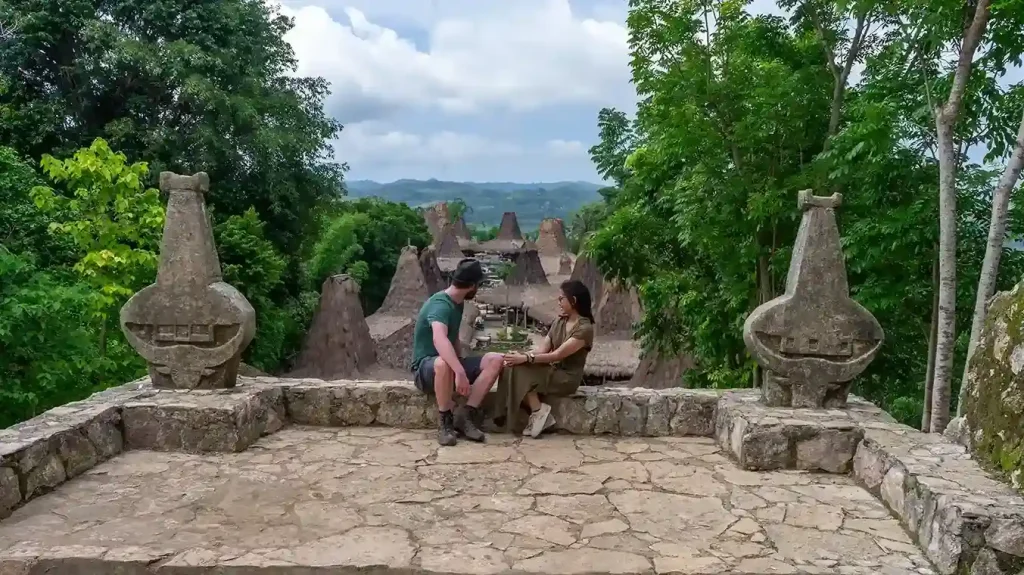
Even less time-sensitive activities carry a premium. A guided visit to a traditional village like Ratenggaro or Prai Ijing, with their soaring, 30-meter-high thatched roofs and ancient megalithic tombs, requires more than just showing up. A good guide will facilitate introductions, translate conversations with the village chief, and ensure you bring appropriate gifts, like betel nuts, as a sign of respect. Such a half-day excursion typically costs $200 to $400. For surfers, the allure of “Occy’s Left,” the legendary wave fronting NIHI, is immense. To preserve the experience, the resort famously limits the wave to just 10 surfers per day, with a daily surcharge of over $150 for a coveted spot. Other bespoke activities, from a private chef-prepared lunch at the base of Lapopu Waterfall to an immersive ikat weaving workshop in a local village, can range from $250 to over $1,000, depending on the level of complexity and customization detailed in The Definitive Sumba Island Tour Guide.
Dining and Sundowners: Sumba’s Culinary Price Point
While Sumba’s culinary scene is growing, it is almost entirely centered within its luxury resorts. This concentration means you’ll be paying premium prices for high-quality food and drink, much of which has to be imported. At a resort like Cap Karoso, where dining is largely à la carte, you can expect a three-course dinner at their main restaurant, Julang, to cost between $100 and $150 per person, excluding wine. A craft cocktail by the pool will set you back $18 to $25. This is where NIHI’s all-inclusive model offers a psychological comfort, as the cost is predetermined. However, even there, premium wines and spirits are an additional charge. A bottle of imported wine, for instance, will start at around $80 and can easily climb into the hundreds.
Outside the resorts, the options are starkly different. You can find a simple and delicious meal of grilled fish and rice at a local *warung* for under $10, but these establishments are few and far between and cater to a local palate and standard of hygiene. For the discerning traveler, nearly 100% of the food and beverage budget will be spent within the resort ecosystem. It’s a critical factor to consider when planning. If you are staying for seven nights, a daily food and beverage budget of $300 to $400 per couple (for lunch, dinner, and drinks) is a realistic estimate for a non-all-inclusive property. This is the price of enjoying world-class cuisine in one of the most remote corners of the Indonesian archipelago.
A Sample 7-Day Luxury Sumba Budget Breakdown
To put these numbers into a practical context, let’s outline two potential budgets for a 7-day, 6-night trip for a couple, excluding international airfare to Indonesia.
Scenario 1: The Design-Forward Explorer (Cap Karoso)
- Accommodation: 6 nights in a One-Bedroom Villa at $900/night = $5,400
- Domestic Flights: 2 round-trip tickets from Bali (DPS) to Sumba (TMC) at $350 each = $700
- On-Island Transport: Private 4×4 and driver/guide for 7 days at $220/day = $1,540
- Food & Beverage: 6 days at an estimated $350/day (for lunch, dinner, drinks) = $2,100
- Experiences: Two guided village tours ($500) and one waterfall trek ($300) = $800
- Total Estimated Cost: $10,540 for two people, or approximately $752 per person, per day.
Scenario 2: The All-Inclusive Icon (NIHI Sumba)
- Accommodation: 6 nights in a Lamba Villa at $1,800/night (all-inclusive food/non-alcoholic drinks) = $10,800
- Domestic Flights: 2 round-trip tickets from Bali (DPS) to Sumba (TMC) = $700
- On-Island Transport: Airport transfers are included; assume 2 days of private excursions at $250/day = $500
- Experiences & Surcharges: Spa Safari for two ($1,190) and 3 days of surfing for one person ($450) = $1,640
- Premium Beverages: Estimated budget for alcoholic drinks = $900
- Total Estimated Cost: $14,540 for two people, or approximately $1,038 per person, per day.
These figures demonstrate that even a “mid-range” luxury trip to Sumba easily surpasses $10,000 for a week. The cost reflects the incredible amount of infrastructure, staffing, and logistics required to deliver a flawless experience in a place of such profound, natural beauty. When you are ready to move from planning to reality, you can book your Sumba island tour with our specialists who can craft an itinerary to match your preferred style and budget.
Quick FAQ: Your Sumba Cost Questions Answered
Is Sumba significantly more expensive than a luxury Bali trip?
Absolutely. The entry point for luxury in Sumba is comparable to the ultra-luxe, top-tier private villa category in Bali. The primary drivers are logistical complexity, the cost of importing goods, and a model based on high-yield, low-volume tourism. Expect to pay a 30-50% premium for a similar level of service and accommodation compared to Bali’s finest resorts.
When is the best time to visit Sumba to manage costs?
The shoulder seasons of April-May and October-November typically offer the best value. You’ll find pleasant weather and resort occupancy can be lower, sometimes resulting in rates that are 10-20% less than the peak dry season (June to September). The wet season (December to March) has the lowest prices but poses a risk of travel disruptions due to heavy rain.
How important is it to have cash (Indonesian Rupiah) in Sumba?
It is critical. While the major resorts accept credit cards, Sumba is overwhelmingly a cash-based economy. You will need Indonesian Rupiah (IDR) for everything from tipping your driver and guide to purchasing exquisite, hand-woven ikat textiles directly from the artisans in their villages. ATMs are rare and notoriously unreliable; it is wise to bring a substantial amount of cash from Bali or Jakarta.
Can I book a luxury Sumba trip myself or should I use an operator?
While booking a resort directly is possible, the complexities of arranging reliable ground transport, securing the best guides, and gaining access to authentic cultural experiences make a specialist operator invaluable. A meticulously planned sumba island tour ensures that every logistical detail is handled, which is essential for a smooth and enriching journey on an island where things don’t always go as planned.
The cost of a Sumba journey is, without question, a considerable investment. It is a figure that acts as a natural barrier, preserving the island’s wild spirit and protecting it from the overdevelopment seen elsewhere. The price purchases more than a beautiful villa and fine dining; it buys entry into a world that is vanishingly rare. It is the price of solitude on a vast beach, of a genuine connection with a timeless culture, and of the privilege of witnessing one of the last untamed places on Earth.
Planning a journey to this remarkable island requires expertise. For a seamless experience tailored to your precise expectations and budget, explore our custom sumba island tour itineraries. Let our team handle the complexities, so you can focus on the discovery.
Keep reading
More from the journal.