Sumba Journal
What Is the Best Time of Year to Visit Sumba Island?
11 min read
The best time to visit Sumba Island is during the dry season, from May through October. This period offers the most favorable conditions for exploring the island’s diverse landscapes and cultural sites.
- Optimal Weather: Expect sun-drenched days, minimal rainfall, and lower humidity, with average temperatures around 28°C, perfect for beach exploration and overland travel.
- Peak Activity Season: Ideal conditions prevail for world-class surfing, diving with maximum visibility, and accessing remote waterfalls and traditional villages via dry, passable roads.
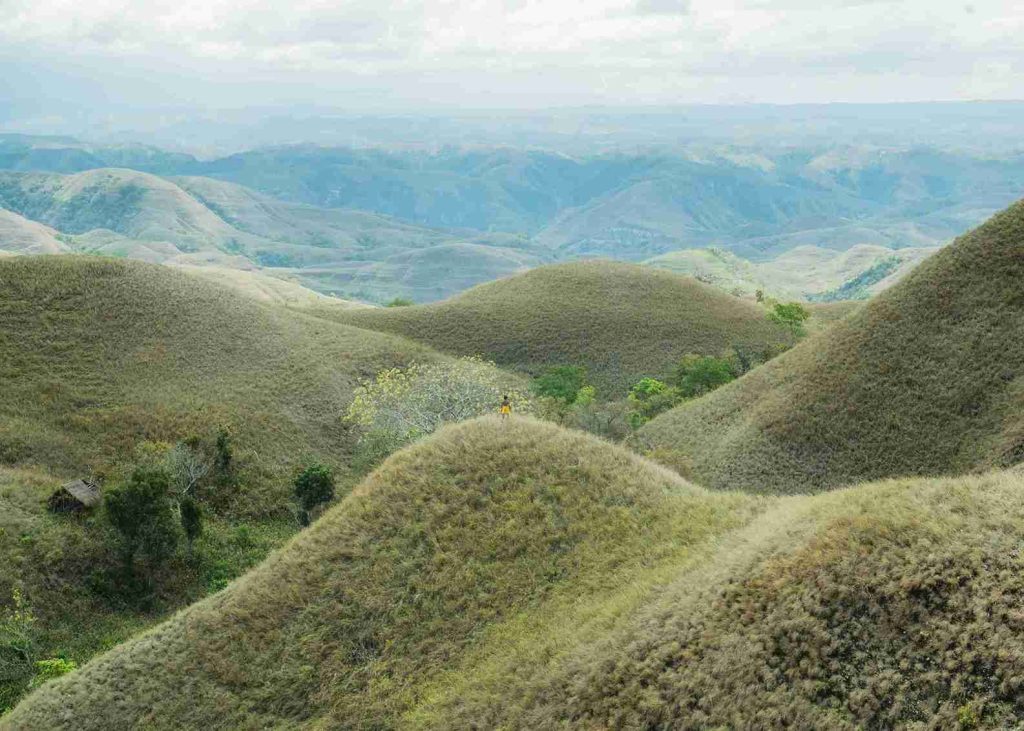
- Vibrant Landscapes: While drier, the landscape retains a unique golden hue, offering dramatic photographic opportunities, especially during sunrise and sunset.
The air, thick with the scent of sandalwood and drying grass, hangs still. In the distance, a sound builds—not of engines, but of a hundred unsaddled horses, their hooves drumming against the parched earth of a wide valley. This is the pulse of Sumba, an island that measures time not by the clock, but by the rhythm of its seasons and the ancient cadence of its Marapu traditions. Deciding when to step into this world is less about finding a window of good weather and more about choosing which version of Sumba you wish to experience. As editors who have spent considerable time charting Indonesia’s less-traveled archipelagos, we’ve learned that Sumba doesn’t just have a high and low season; it has distinct personalities that shift with the monsoon winds.
Decoding Sumba’s Seasons: Beyond Just ‘Wet’ and ‘Dry’
On paper, Sumba’s climate is straightforward, governed by the same two-season tropical cycle as its neighbors. The dry season typically runs from May to October, while the wet season arrives with the northwest monsoon winds from November through April. Yet, to leave the analysis there is to miss the island’s subtle complexities. Sumba, covering an area of over 11,000 square kilometers—roughly twice the size of Bali—has a notably more arid climate. Annual rainfall averages around 1,600 millimeters, significantly less than the 2,500+ millimeters that drench much of Bali. This climatic distinction is the single most important factor shaping the island’s character. During the dry months, the landscape transforms into a vast, golden-brown savannah, reminiscent of the African plains. The rolling hills, dotted with stark, white-barked kapok trees, create a powerful, almost severe, beauty. Conversely, the arrival of the rains triggers a startling metamorphosis. Within weeks, the island explodes into an intense, almost fluorescent green. The transformation is so swift and dramatic that locals refer to it as “the green explosion.” Understanding this profound seasonal duality is the first step in planning a trip that aligns with your specific interests, whether they lie in photography, cultural immersion, or simply finding solace on a deserted beach. The shoulder months—April, May, and late October—often present a compelling compromise, offering the lushness of the fading wet season with the increasingly reliable sunshine of the dry.
The Dry Season (May – October): Sumba in its Prime
For the quintessential luxury escape focused on sun, surf, and seamless exploration, the dry season is unequivocally the best time to visit Sumba Island. From May onwards, the skies clear to a brilliant, uninterrupted blue, and a consistent easterly trade wind keeps the humidity at bay. Average daily temperatures hover at a pleasant 27-30°C, creating perfect conditions for days spent on the island’s magnificent, and often entirely empty, coastlines. This is when beaches like Mandorak and Walakiri are at their most idyllic, their white sands meeting placid, turquoise waters. For the surfing cognoscenti, this period is legendary. Sumba’s southern coast receives consistent, clean swells from the Indian Ocean, lighting up world-class breaks. The famed “Occy’s Left” at Nihi Sumba, for instance, performs with remarkable consistency from June through September, with wave faces regularly reaching 8-10 feet. Overland travel, a critical component of any comprehensive sumba island tour, becomes effortless. The unpaved tracks leading to remote traditional villages like Praijing or to the base of the majestic Lapopu Waterfall are dry and easily navigable by 4×4. As our lead guide, Yuliana, often remarks, “In August, you can drive almost anywhere. The island opens itself up to you.” This accessibility is a crucial factor, as Sumba’s highlights are widely dispersed. The financial aspect of a dry-season visit is also a consideration; as this is peak season, you can expect higher demand for the island’s few exclusive resorts. For a detailed breakdown of what to expect, our Sumba Island Tour Pricing & Cost Guide offers invaluable insights into budgeting for a high-season journey.
The Wet Season (November – April): The Emerald Isle Awakens
Dismissing the wet season would be a mistake. For a certain type of traveler—the cultural enthusiast, the adventurous photographer, the one seeking solitude above all else—this period holds a unique and powerful allure. The rains, which typically arrive in short, intense bursts in the afternoon, are the lifeblood of the island. They replenish the rivers and trigger the vibrant green transformation that must be seen to be believed. Waterfalls like Tanggedu, with its otherworldly limestone formations, rage with a power and volume unseen during the dry months. The photographic opportunities are immense: dramatic, cloud-filled skies, glistening foliage, and a depth of color that the harsher light of the dry season can wash out. This is also when you’ll find the fewest visitors. It’s not uncommon to have entire stretches of coastline or ancient villages to yourself, allowing for a more profound and personal connection with the place and its people. The Marapu culture, which underpins every aspect of Sumbanese life, feels more present and vital during this period of renewal. Of course, there are trade-offs. The humidity rises, and travel can be more challenging. Some remote roads may become temporarily impassable after a heavy downpour, requiring flexibility and the expertise of a seasoned local operator. This is a time for slow travel, for settling into a world-class resort and embracing the rhythm of the rains, rather than attempting a packed, multi-stop itinerary.
The Pasola Festival: A Spectacle Worth Planning For
The single most compelling reason to brave the wet season is to witness the Pasola Festival. This ancient and electrifying ritual is not a performance for tourists; it is a vital, living ceremony central to the Marapu belief system, held to balance the heavens and the earth and to spill blood on the soil to ensure a fertile harvest. Taking place in the western districts of Kodi and Wanokaka during February or March, Pasola is a series of mock battles between two teams of colorfully adorned horsemen who charge at each other wielding blunted wooden spears. The energy is palpable—a chaotic, thrilling, and sometimes dangerous spectacle of incredible horsemanship and warrior pride. The exact dates are a closely guarded secret, determined by the local rato (Marapu priests) based on the full moon and the annual arrival of the nyale, a multicolored sea worm, to the shore. This ritualistic timing, as noted by cultural anthropologists and even scholarly sources on Sumba, connects the event directly to the cycles of nature. Attending Pasola requires careful planning and deep local connections. Access is not straightforward, and navigating the crowds and customs demands expert guidance. “You cannot simply show up and expect to see Pasola,” a contact at one of Sumba’s leading luxury lodges told us. “It is a community event, and you must be accompanied by someone who is respected and understands the protocol.” This is where a well-organized tour becomes indispensable, transforming a potentially confusing experience into a truly privileged one. The festival is a raw, authentic glimpse into a culture that has resisted outside influence for centuries, making it one of Indonesia’s most significant cultural events, as recognized by the official Indonesia Travel authority.
A Month-by-Month Insider’s Guide to Sumba
To truly pinpoint the best time to visit Sumba Island for your specific needs, a more granular look is helpful. We’ve compiled our notes from various trips to offer a month-by-month perspective.
January – March: This is the heart of the wet season. Expect lush, emerald landscapes and powerful waterfalls. Rainfall can be heavy, with monthly totals sometimes exceeding 300mm. The main draw is the Pasola Festival, which typically occurs in February or March. This period is for the dedicated cultural traveler who is prepared for potential travel disruptions and values authenticity over perfect weather.
April – May: A magical shoulder season. The rains begin to subside, but the island remains vividly green. You get the best of both worlds: beautiful scenery and increasingly sunny days. Tourist numbers are still low, and it’s an excellent time for photography and general exploration before the peak season rush.
June – August: Peak dry season. This is Sumba at its most accessible and climatically pleasant. Expect endless sun, low humidity, and prime conditions for surfing, diving, and beach-hopping. It’s the most popular time to visit, so booking well in advance is essential. All roads are open, making it the ideal time for an ambitious overland itinerary, which you can explore in The Definitive Sumba Island Tour Guide.
September – October: The dry season continues, but the landscape takes on a more arid, golden character. The light during these months is particularly beautiful for photography, casting long shadows over the undulating hills. The heat can be more intense, but the weather remains stable and dry. It’s a fantastic time to visit as the peak crowds of August begin to thin.
November – December: The early wet season. The first rains arrive, often in the form of afternoon showers, and the “green explosion” begins. It’s a time of dramatic transformation. For those seeking solitude and willing to risk a bit of rain, it can be a rewarding period with lower prices and a palpable sense of the island reawakening.
Quick FAQ: Your Sumba Timing Questions Answered
When is the cheapest time to visit Sumba?
The shoulder and wet seasons, specifically November, early December, and April, typically offer the most competitive rates for accommodation and tours. However, be aware that prices can spike locally during the Pasola Festival in February or March due to high demand for limited lodging and transport in the western region.
How many days are truly enough for Sumba?
We strongly recommend a minimum of five to seven full days. This allows for a comfortable exploration of both the culturally rich west and the scenically distinct east. Sumba is a large island, and travel times between key sites like Ratenggaro Village and the Waimarang Waterfall can be several hours. A shorter trip often feels rushed and superficial.
Is Sumba safe to visit during the rainy season?
Yes, Sumba is generally safe year-round. The primary challenge during the wet season is logistical, not safety-related. Some rural dirt roads can become muddy and temporarily impassable for standard vehicles. This is why traveling with a reputable operator using a well-maintained 4×4 and an experienced local driver is not just a luxury but a necessity from November to April.
What is the one thing I must pack regardless of the season?
Respectful attire. While Sumba is a haven for luxury resorts, it is also a deeply traditional and conservative island. When visiting villages or cultural sites, it is essential to dress modestly. A lightweight sarong or scarf is invaluable for covering shoulders or legs as a sign of respect. This simple gesture is greatly appreciated by the local communities.
Ultimately, Sumba’s ideal travel window is a personal calculation, a trade-off between perfect weather and singular experiences. Do you dream of the golden savannahs and flawless surf of August, or are you drawn by the raw, spiritual energy of the Pasola festival in the green heart of February? Each season offers a profoundly different, yet equally authentic, version of this extraordinary island. Navigating its complexities and unlocking its most private corners requires more than just a booking; it requires insight and connection. A sumba island tour is not merely a vacation; it is an immersion into a world governed by ancient rhythms. Let us help you find your rhythm. Explore our bespoke journeys and book your Sumba Island tour to discover a place that continues to defy the modern world.
Keep reading
More from the journal.