Sumba Journal
Planning a Sumba Adventure Trip During the Pasola Festival Season
9 min read
- Secure luxury accommodations like NIHI Sumba or Lelewatu Resort 6-9 months in advance due to extreme demand.
- Engage an expert local guide who has direct communication with the tribal elders to track the shifting festival locations.
- Structure a 7-10 day itinerary to combine the festival in West Sumba with the distinct cultural landscapes of the East.
The air is electric, thick with dust and anticipation. Below, on the sun-scorched field, hundreds of horsemen, their heads wrapped in vibrant ikat, charge at one another. The thud of hooves is a frantic heartbeat against the earth. A wooden spear, blunted but still formidable, arcs through the sky, and the roar from a thousand spectators becomes a single, primal sound. This is not a reenactment. This is Pasola, an ancient and visceral ritual that remains the cultural apex of Sumba, an island that time seems to have respectfully bypassed. To witness it is to step directly into a living tradition, an experience that defines the very essence of a true sumba adventure trip.
Decoding Pasola: More Than Just a Ritualistic Battle
To label Pasola merely a “festival” is a profound understatement. It is a sacred, complex, and deeply significant Marapu ceremony, the animist belief system that predates Christianity on the island and is still practiced by nearly 35% of the population. The ritual’s primary purpose is twofold: to spill blood upon the earth to ensure a fertile harvest and to divine the success of the coming agricultural season. According to local lore, the tradition began with a woman named Rabu Kaba who, believing her husband had been lost at sea, eloped with a new love. When her original husband returned, she chose to stay with her new partner, and to appease the cuckolded man, a festival of mock battle was decreed. As told by the official Indonesian Ministry of Tourism, this legend underpins the spectacle. The entire event’s timing, however, is determined by a much more esoteric event: the annual arrival of the *nyale*, a species of iridescent sea worm, to the island’s shores. The *Rato*, or high priests, examine these worms to predict the harvest, and their appearance signals the start of Pasola. This celestial timing makes the dates a floating target, announced just weeks, and sometimes only days, in advance.
The Logistical Gauntlet: Timing Your Sumba Adventure Trip
The raw, untamed nature of Pasola extends to its scheduling, presenting a significant logistical challenge for any traveler. This is not an event you can simply add to your Google Calendar months ahead. The ceremonies typically occur across four main locations in West Sumba—Kodi, Lamboya, Wanokaka, and Gaura—throughout February and March. However, the final confirmation rests with the *Rato*. This is where the value of a deeply connected local operator becomes non-negotiable. My primary contact on the island, a seasoned guide named Daniel, emphasizes this point. “The dates can shift by a week, the location by a few kilometers, based on the priests’ final decree,” he explained over a crackling call. “Without someone on the ground in constant communication, travelers risk arriving a day late or at the wrong field entirely.” For a high-stakes sumba adventure trip centered on this event, precision is everything. The journey begins with a 90-minute flight from Bali’s Ngurah Rai International Airport (DPS) to Tambolaka Airport (TMC) in Southwest Sumba, the logistical hub for Pasola. From there, navigating the island’s rugged 11,153 square kilometers to reach the often-remote Pasola fields requires a private vehicle and a driver who intimately knows the terrain.
Beyond the Arena: Structuring a High-End Itinerary
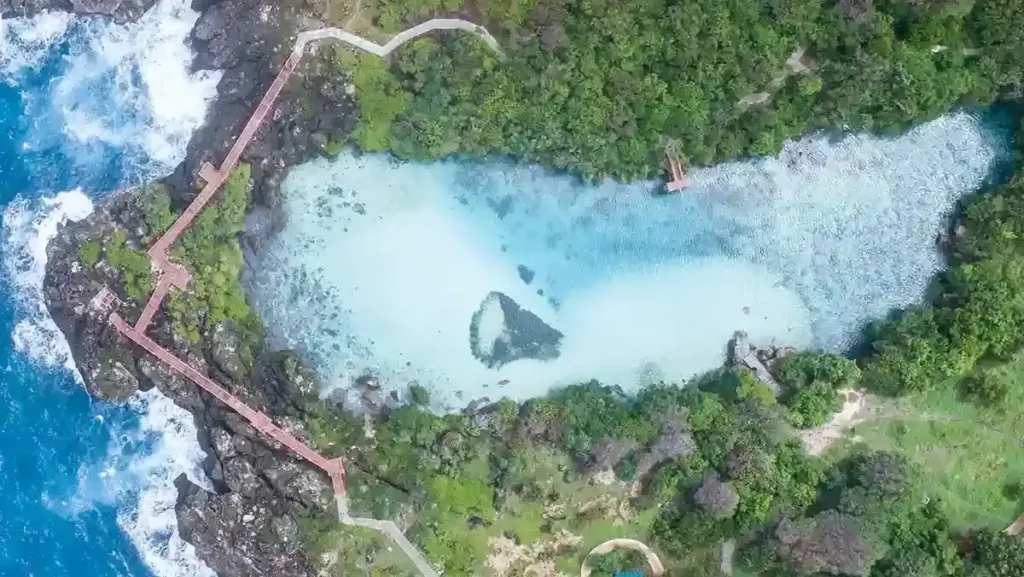
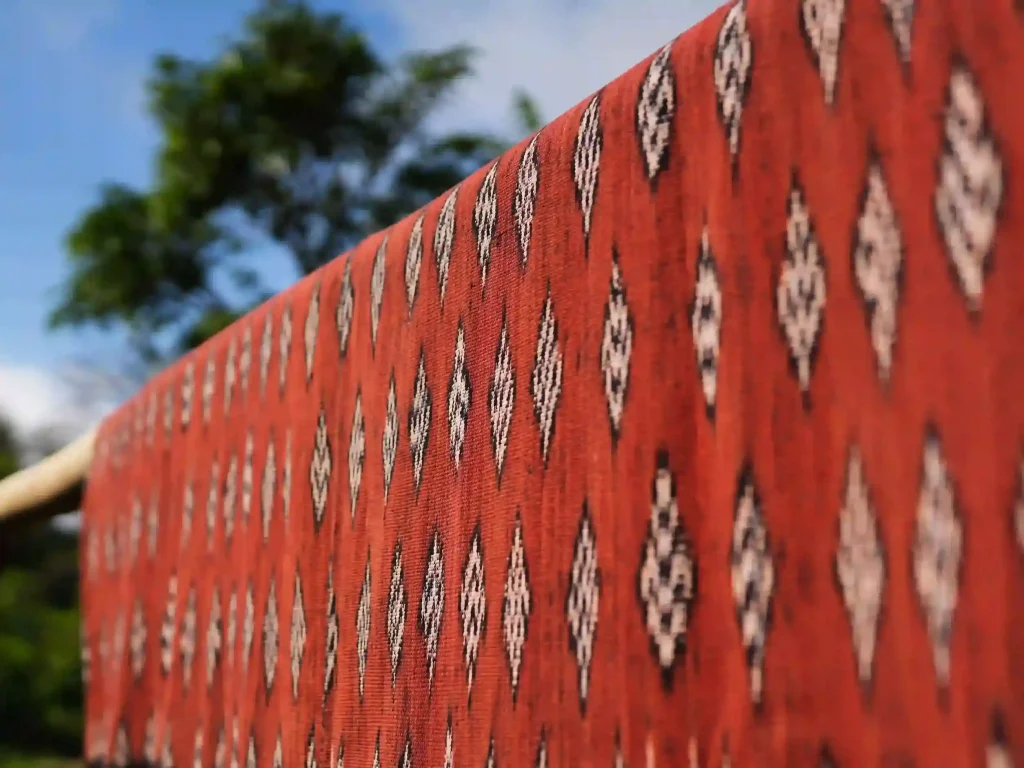
While Pasola may be the gravitational center of your trip, the island of Sumba demands a broader exploration. To fly in for the festival and leave would be to read a single, albeit thrilling, chapter of an epic novel. A well-paced itinerary of 7 to 10 days allows for a full immersion into the island’s dual personalities: the West and the East. West Sumba, the epicenter of Pasola, is characterized by its rolling hills and ancient villages. A visit to Ratenggaro is essential; its traditional houses feature dramatic, towering roofs that soar up to 30 meters high, built to honor the spirits of the ancestors. A short drive away lies Weekuri Lagoon, a surreal saltwater basin of crystalline turquoise water, perfect for a tranquil afternoon after the chaotic energy of the festival. In contrast, East Sumba presents a landscape of vast, arid savannas that feel more African than Indonesian. This region is the heart of the island’s celebrated ikat weaving tradition. In villages like Rende, you can witness women meticulously creating these complex textiles, a process that can take months, even years, to complete. For a deeper dive into crafting your journey, our The Definitive Sumba Island Tour Guide offers a comprehensive regional breakdown. A private, air-conditioned 4×4 is the only way to comfortably traverse the distance between these distinct regions, a journey that can take over 3 hours on winding, sometimes-unpaved roads.
Securing Your Sanctuary: Where to Stay During Pasola Season
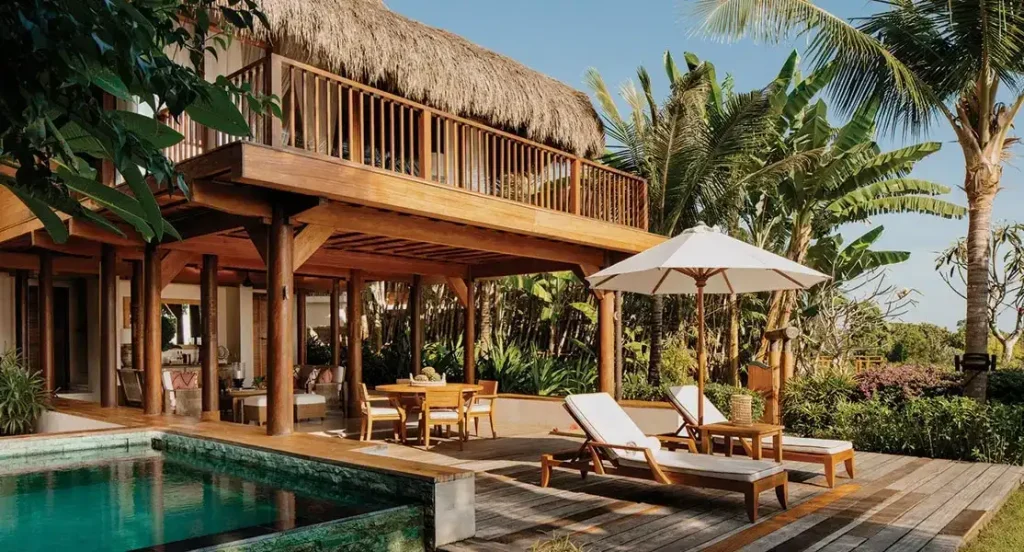
The surge in interest for Pasola means that Sumba’s limited collection of high-end accommodations is booked out far in advance. Securing your room should be the very first step in your planning process, ideally 9 to 12 months before your intended travel dates. The undisputed icon is NIHI Sumba, a resort that has consistently been ranked among the best in the world. It’s more than a hotel; it’s a philanthropic endeavor and a cultural sanctuary on 567 acres of pristine land. Its 27 villas, each with a private pool, offer unparalleled luxury, but its ethos of “the edge of wildness” and its connection to the Sumba Foundation are its true differentiators. A close competitor in the ultra-luxury space is Lelewatu Resort Sumba, perched dramatically on a cliffside with sweeping views of the Indian Ocean. Its design masterfully blends Sumbanese architecture with modern opulence. For a more boutique experience, Maringi Sumba, located closer to Tambolaka, offers a unique proposition as a “hotel school,” providing five-star service while training local youth for careers in hospitality. The costs for such exclusive properties, especially during a peak event like Pasola, can be significant. We’ve detailed a complete budget outline in our Sumba Island Tour Pricing & Cost Guide to help you anticipate the investment required for this level of travel.
Cultural Etiquette and Practicalities for the Discerning Traveler
Attending Pasola and visiting traditional villages in Sumba requires a high degree of cultural sensitivity. This is a living, breathing culture, not a theme park. When at the Pasola field, remember this is a sacred and sometimes violent ritual. Your guide will position you in a safe area, but it is crucial to remain aware and follow their instructions. Use a camera with a good zoom lens to capture the action without being intrusive. The crowd itself is part of the experience, with local families and rival supporters creating a charged atmosphere. When visiting a village like Praiijing or Tarung, it is customary to present a small gift, or *oleh-oleh*, to the village elder. Your guide will facilitate this, but common gifts include betel nut, coffee, and sugar, which can be purchased at a local market. This small gesture of respect opens the door to genuine interaction. On a practical note, connectivity is limited. While the top resorts have reliable Wi-Fi, it becomes scarce the moment you leave their grounds. Likewise, ATMs are few and far between. It is advisable to carry a sufficient amount of Indonesian Rupiah (IDR) to cover any local purchases, gratuities, or small entry fees to cultural sites, which typically range from 50,000 to 100,000 IDR per person.
Quick FAQ for Your Sumba Pasola Expedition
Is Pasola safe for tourists? With a knowledgeable guide from a reputable sumba island tour operator, yes. Your guide’s primary role is to secure a safe and respectful vantage point away from the main fray. While the ritual is intense and skirmishes can break out, direct danger to well-positioned spectators is extremely rare, but situational awareness is paramount.
What should I pack for a Sumba adventure trip during Pasola? Pack lightweight, breathable clothing. For village visits and Pasola, modest attire (trousers or long skirts and sleeved shirts) is respectful. Essential items include a wide-brimmed hat, high-SPF sunscreen (the equatorial sun is unforgiving), potent insect repellent, a quality camera with a zoom lens, and enough cash for the duration of your trip outside the resort.
Can I participate in the Pasola festival? Absolutely not. Pasola is a sacred ritual reserved exclusively for the Sumba warriors from the participating clans. It is a privilege to witness, and respectful observation is the only role for outsiders. Any attempt to join would be a grave cultural offense.
How do I book a trip that guarantees I’ll see Pasola? The only way to approach a guarantee is by working with a specialist operator. Their local network allows them to receive real-time updates from the *Rato* and community leaders. This allows for a flexible itinerary that can be adjusted on the fly to ensure you are at the right place at the right time, a feat nearly impossible for an independent traveler to achieve. You can book Sumba Island Tour packages that are specifically designed around this fluid event.
A journey to Sumba during Pasola is an expedition into the heart of an ancient culture. It is a profound departure from the predictable, a trip that rewards extensive planning with an experience of unparalleled authenticity. Orchestrating the moving parts of this adventure—the fluid dates, the remote locations, the cultural protocols—requires deep, on-the-ground expertise. To ensure your sumba adventure trip is seamless, insightful, and truly unforgettable, entrust it to those who know the island’s rhythms best. Explore our tailored itineraries and begin crafting your own sumba island tour to witness the raw, untamed soul of Indonesia.
Keep reading
More from the journal.