Sumba Journal
A 5-Day Luxury Sumba Itinerary for the Ultimate Cultural Escape
10 min read
- Private access to ancient megalithic sites and traditional Marapu villages.
- Stays at globally acclaimed eco-resorts like NIHI Sumba.
- Curated experiences, from private surf sessions to witnessing the art of Ikat weaving.
The air hangs heavy with the scent of dry earth and sandalwood, a stark contrast to the salt-laced breeze rolling in from the Indian Ocean. In the distance, the rhythmic clack of a wooden loom provides a steady heartbeat for the village, a sound that has echoed through these valleys for centuries. A herd of wild horses, their manes tangled by the wind, gallops along the edge of a startlingly white beach, their hooves leaving fleeting imprints in the sand. This is not a dreamscape. This is Sumba, an island where time operates on a different frequency, and luxury is measured not in opulence, but in the raw, unfiltered authenticity of the experience. Forget what you know about island getaways; a journey here is a step into a living, breathing culture, a place that rewards the discerning traveler with moments of profound connection.
Sumba: The Last Frontier of Indonesian Luxury
Positioned just a 90-minute flight from Bali, Sumba feels a world away. It is an island of dramatic dualities. At over 11,000 square kilometers, it is more than twice the size of Bali, yet it is home to a mere 750,000 people, leaving vast expanses of its rugged landscape virtually untouched. This is Indonesia’s final frontier for true luxury travel, a place where the journey is as vital as the destination. The island is broadly divided into two distinct districts: the verdant, hilly West Sumba, known for its towering traditional villages, and the arid, savanna-like East Sumba, a hub of the island’s celebrated Ikat weaving tradition. A successful itinerary must bridge these two worlds. The cultural bedrock of the island is the ancient animist religion of Marapu, a complex belief system that venerates ancestors and dictates everything from village architecture to social ceremonies. As noted on its Wikipedia entry, this adherence to ancestral tradition is what gives Sumba its unique, preserved character. This is not a destination for casual, independent exploration. Navigating its remote terrain and gaining respectful access to its cloistered communities requires deep local knowledge. This is precisely where a specialist operator, a true sumba island tour provider, transforms a simple trip into a seamless and deeply enriching expedition.
Day 1: Arrival in West Sumba & NIHI’s Private Paradise
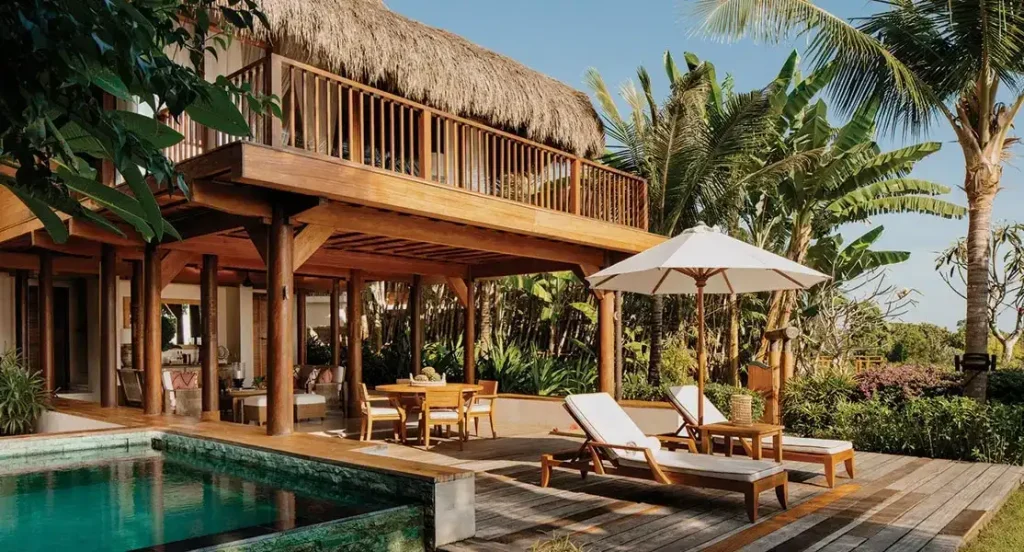
Your journey begins at Tambolaka Airport (TMC) in West Sumba. The moment you step off the plane, the island’s elemental nature is palpable. A private, air-conditioned 4×4 awaits, a necessity for the 90-minute transfer to the coast. The drive itself is an immersion, winding through teak forests and small villages where children wave as you pass. Your destination is NIHI Sumba, a resort that has transcended its category to become a legend in sustainable luxury. It was famously voted the number one hotel in the world by Travel + Leisure magazine for two consecutive years, 2016 and 2017. Upon arrival, you are not just a guest; you are a patron of the Sumba Foundation, the philanthropic heart of the resort, which has funded projects that have reduced local malaria rates by over 93%. After settling into your private villa, with its own plunge pool and an uninterrupted view of the ocean, the afternoon is yours. Perhaps a visit to the resort’s own equestrian center for a ride with their highly trained Sumbanese horsemen. As dusk approaches, make your way to the Nio Beach Club & Pool for sunset cocktails, watching surfers ride the resort’s famed private wave, “Occy’s Left.” Access to this world-class break is famously capped at just 10 registered surfers per day, an ethos of exclusivity that defines the entire NIHI experience. Dinner is a private affair, a torch-lit table arranged on the 2.5-kilometer stretch of beach, with the sound of the waves as your only soundtrack.
Day 2: Megalithic Culture and Pasola Rituals
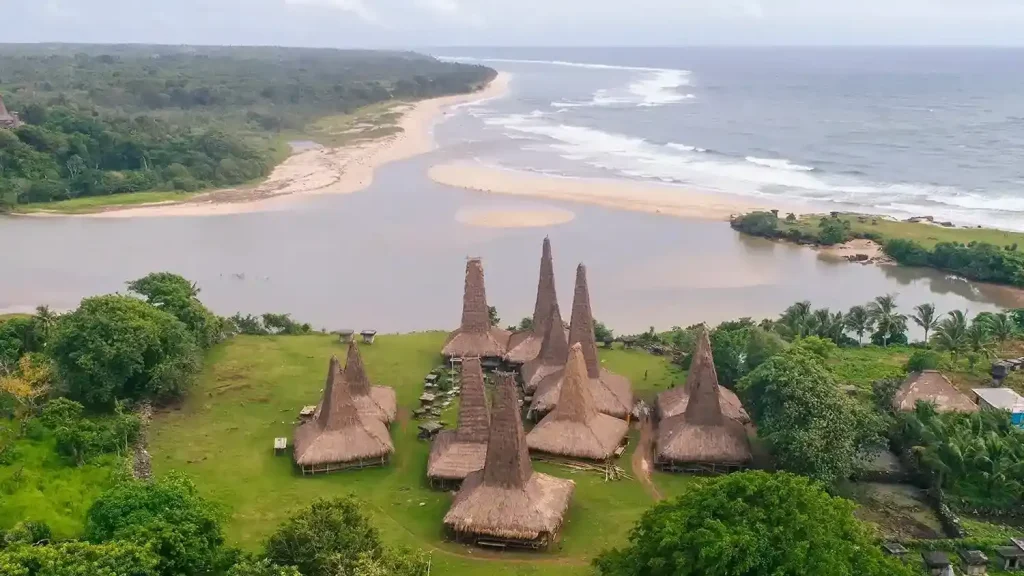
Today is a deep dive into the Marapu culture that underpins Sumbanese life. With a private guide, you will venture to one of the region’s most significant traditional villages, such as Ratenggaro, perched on a cliff overlooking the sea. Here, you will be struck by the soaring, thatched roofs of the uma kalada, or clan houses, some reaching heights of over 25 meters. These roofs are not merely for shelter; they represent a sacred connection to the spirit world. The village is also home to massive megalithic tombs, intricately carved stone slabs that serve as the final resting place for noble ancestors and are central to the island’s elaborate funeral ceremonies. You are not visiting a museum; this is a living community where ancient rites are still practiced. Your guide will explain the symbolism of the Pasola, a ritualized spear-throwing battle between two teams of horsemen held each February and March. While witnessing the event itself is a matter of timing, its fierce, warrior spirit is a tangible part of West Sumba’s identity, an event celebrated by Indonesia’s official tourism board. In the afternoon, you return to NIHI for their signature “Spa Safari.” This is no ordinary treatment. It begins with a 90-minute guided trek through rice paddies and local villages, culminating at a secluded, private clifftop bale where you enjoy a full day of unlimited, pre-selected spa treatments. Understanding the investment for such unparalleled experiences is key, and reviewing a Sumba Island Tour Pricing & Cost Guide can help contextualize the value of this all-inclusive wellness journey.
Day 3: The Wild East and the Art of Ikat
After a final ocean-view breakfast in the west, you will transition to the distinct landscapes of East Sumba. The most luxurious and efficient method is a private charter flight, a 30-minute hop that offers an incredible aerial perspective of the island’s changing topography. Alternatively, the overland transfer is a 4-hour scenic drive, revealing a dramatic shift from rolling green hills to the golden, arid savannas that characterize the east. Here, you will check into a property like Lelewatu Resort, which offers a different, yet equally compelling, form of luxury focused on cultural craftsmanship. The afternoon is dedicated to Sumba’s most famous export: Ikat. This is not merely a textile; it is a narrative thread woven with history, status, and spirituality. Your guide will facilitate a private visit to a royal village like Prailiu, where you can observe master weavers at their looms. You will learn about the painstaking process, which can take months, even years, for a single piece. The threads are meticulously tied and dyed using natural pigments from indigo plants and morinda root before being woven into intricate motifs of animals, ancestors, and tribal crests. As my guide, a local elder named Rambu Ana, explained, “The ikat is our map. It shows where we come from and where we are going in the next life.” These masterpieces are investments, with complex, heirloom-quality pieces fetching prices well over $10,000 USD. This cultural cornerstone is explored in depth in The Definitive Sumba Island Tour Guide.
Day 4: Savannas, Waterfalls, and Secluded Shores
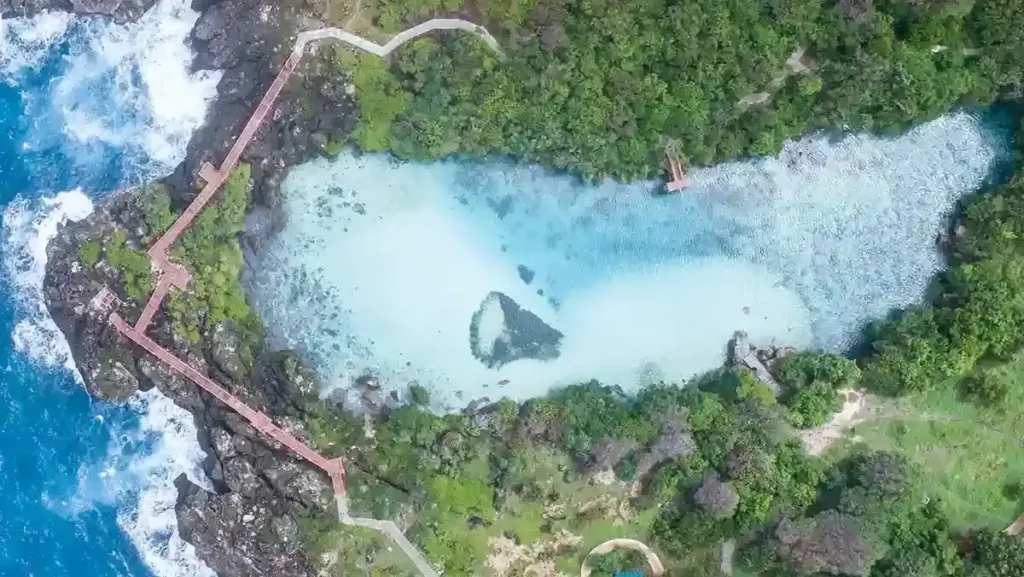
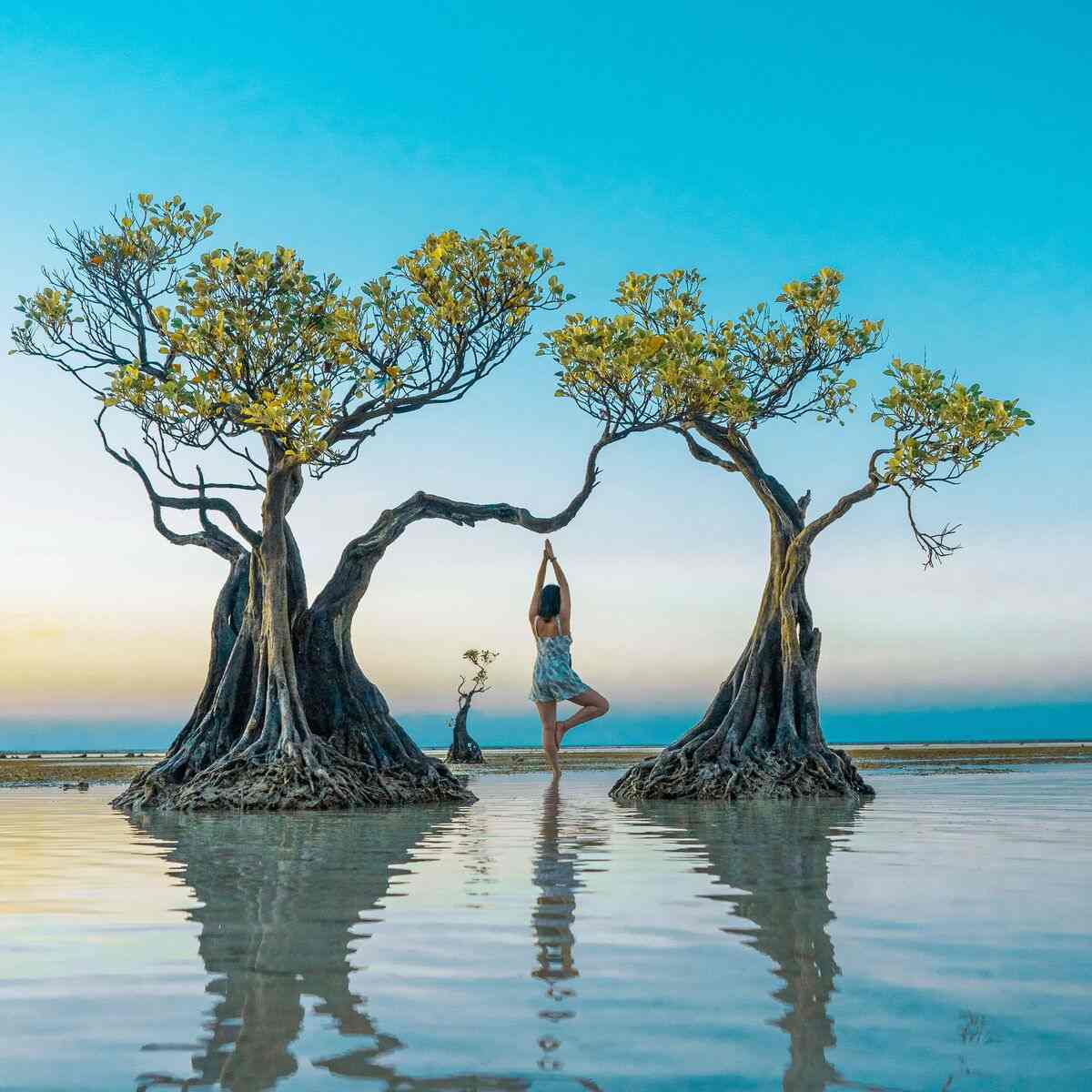
Your final full day is an exploration of East Sumba’s raw, natural beauty. A private jeep safari takes you inland, bumping along dusty tracks through wide-open savannas where the iconic Sumbanese horses, descendants of Arabian breeds, roam wild and free. The destination is a hidden oasis like Waimarang Waterfall. After a moderate 30-minute trek, you are rewarded with a stunning, terraced rock pool fed by a cascading waterfall, its turquoise water a shocking contrast to the dry landscape. It’s an ideal spot for a refreshing swim in complete privacy. As the afternoon sun begins to soften, you will head to the coast to experience one of Sumba’s most photogenic phenomena: the “dancing mangroves” of Walakiri Beach. During low tide, the uniquely shaped mangrove trees are exposed, creating surreal, artistic silhouettes against the vibrant colors of the sunset. A private picnic, complete with chilled champagne and gourmet canapés, can be arranged on the sand, allowing you to absorb the tranquility of the moment. This experience—of having a world-class natural spectacle entirely to yourself—is the very essence of what a luxury sumba island tour delivers. It is a profound sense of solitude and connection to nature that has become the world’s most sought-after commodity.
Quick FAQ for Your Sumba Journey
What is the best time to visit Sumba? The dry season, from April to October, is ideal, with sunny days and average temperatures around 27-30°C, perfect for exploring beaches and landscapes. The wet season (November to March) transforms the island into a lush, green paradise and is when the famous Pasola festival takes place, offering a unique cultural draw.
Is Sumba safe for luxury travel? When organized through a professional operator, Sumba is exceptionally safe. The key is having reliable private transport, an expert local guide, and staying at premier resorts with established security. Philanthropic efforts, like those from the Sumba Foundation, have also vastly improved local health infrastructure and community well-being.
How do I get to Sumba? Access is via a domestic flight from Bali (Denpasar, DPS). You can fly into Tambolaka (TMC) for West Sumba or Waingapu (WGP) for East Sumba. The flight is a quick 60-90 minutes on regional carriers like Wings Air or NAM Air. All transfers should be pre-arranged as part of your itinerary.
Can I book these experiences myself? For a seamless luxury trip, it is strongly advised against. The island’s infrastructure is limited, and English is not widely spoken outside of the main resorts. The most authentic and exclusive experiences require local connections. To ensure everything is arranged to the highest standard, it is best to Book Sumba Island Tour arrangements with a specialist who handles all logistics, from internal flights to private guides.
Reflecting on Sumba’s Soulful Luxury
A 5-day journey through Sumba is more than a vacation; it is an education in a different way of life. The luxury here is not found in superficial gloss but in privileged access to a world that remains fiercely, beautifully authentic. It is the luxury of space—of standing on an empty beach with nothing but the sound of the wind and the sight of wild horses. It is the luxury of connection—of sitting with a weaver and understanding the story she is weaving into her cloth. It is the luxury of time—of watching a sunset that feels as if it is being painted just for you. The traditional settlements of Sumba have even been recognized for their global importance, placed on the UNESCO World Heritage Tentative List, a testament to their preserved cultural value. Sumba recalibrates your senses and reminds you that the greatest privilege is to witness something truly genuine. You leave a small piece of your heart on the island, but you take with you a renewed perspective on what it means to travel with purpose.
Sumba is not a destination you simply visit; it is an experience you absorb. It challenges the very definition of luxury, replacing gilded faucets with golden savannas and crowded lobbies with the quiet wisdom of a Marapu elder. To truly unlock its secrets, a journey must be crafted with intention and expertise. Explore our complete offerings and let us design your personal odyssey on our Sumba Island Tour homepage.
Keep reading
More from the journal.