4-Day Sumba Island Tour Package 4D3N (From $390)

This 4-day Sumba island tour 4D3N crosses the island west to east in one unbroken line: the carved tombs and towering roofs of Ratenggaro, a swim in Weekuri Lagoon, the savanna folds of Wairinding and Tanarara, a waterfall trek, and sunset among Walakiri’s dancing mangroves. Priced from USD 390–700 per person as of August 2026, subject to season and group size, the route flies you into Tambolaka, out of Waingapu, and never drives the same road twice.

Most companies selling a Sumba tour of 4 days ask you to submit a quote form and wait. We publish our rates instead, because guests planning a trip this far east deserve a straight answer before they commit. The itinerary mirrors the 4D3N overland operated with Indonesia Juara Trip, and it is run by Sumbanese driver-guides who grew up beside the villages on this route — hosts who understand the Marapu protocol for entering a clan compound and will walk you through betel-nut etiquette before your first handshake, so you arrive as a guest rather than a spectator.

What Does a 4-Day Sumba Island Tour Actually Cover?

Four days is the shortest duration that shows you both halves of Sumba without shortchanging either. The west holds the island’s living megalithic culture — Kodi’s tall-roofed villages, tidal lagoons and cliff coastline — while the east is a different landscape entirely: open savanna, canyon waterfalls and long, empty beaches. Our route links the two one way, using the daily flights of about 1h15m that connect both Sumba airports with Bali.

RouteTambolaka (TMC) in → Waingapu (WGP) out; one-way, no backtracking
Duration4 days / 3 nights (1 night west Sumba, 2 nights Waingapu)
PriceFrom USD 390–700 per person, as of August 2026 — varies by group size, subject to season
StylePrivate air-conditioned car with an English-speaking Sumbanese driver-guide
Best forFirst visits, photographers, couples, families with school-age children

If your dates allow more, the same one-way logic stretches into our 6-day Sumba island tour, which adds Lapopu waterfall and the Puru Kambera savanna at a gentler pace.

Day-by-Day Itinerary

Day 1: Tambolaka Arrival — Ratenggaro — Pero Sunset

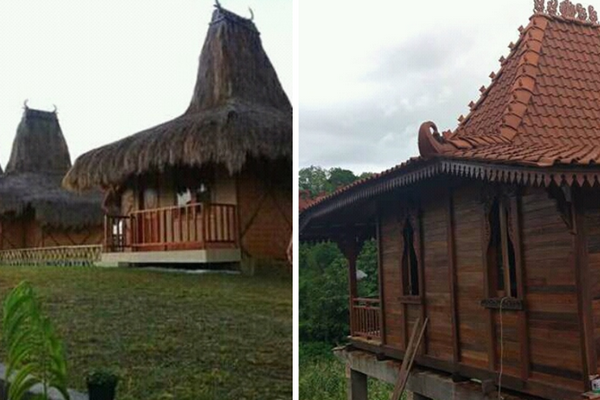
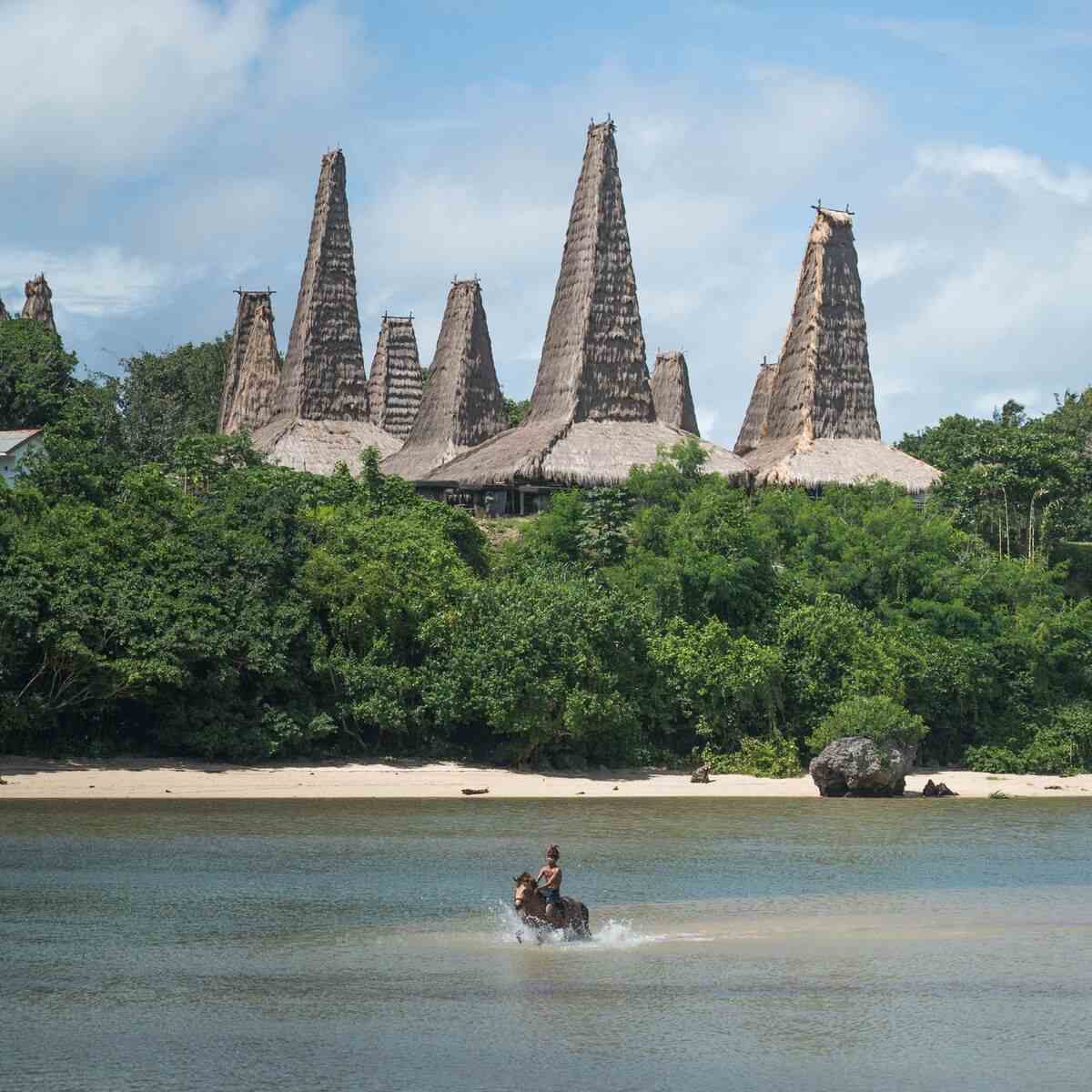
Your private guide meets you at Tambolaka airport and heads southwest into Kodi country, about ninety minutes of quiet farm roads. Ratenggaro anchors the afternoon: a village of soaring thatched roofs above a river mouth, with megalithic tombs standing between the houses and the sea. Your guide handles the introductions — a modest donation, a few words in the local language, betel nut offered and received — and then you are free to walk, ask questions, and photograph with permission rather than around it. As the light softens you continue to Pero, a fishing village where the surf stacks against the reef, for your first Sumba sunset. Overnight near Tambolaka or Kodi.

Day 2: Weekuri Lagoon — Mandorak — Prai Ijing — Wairinding Sunset — Waingapu

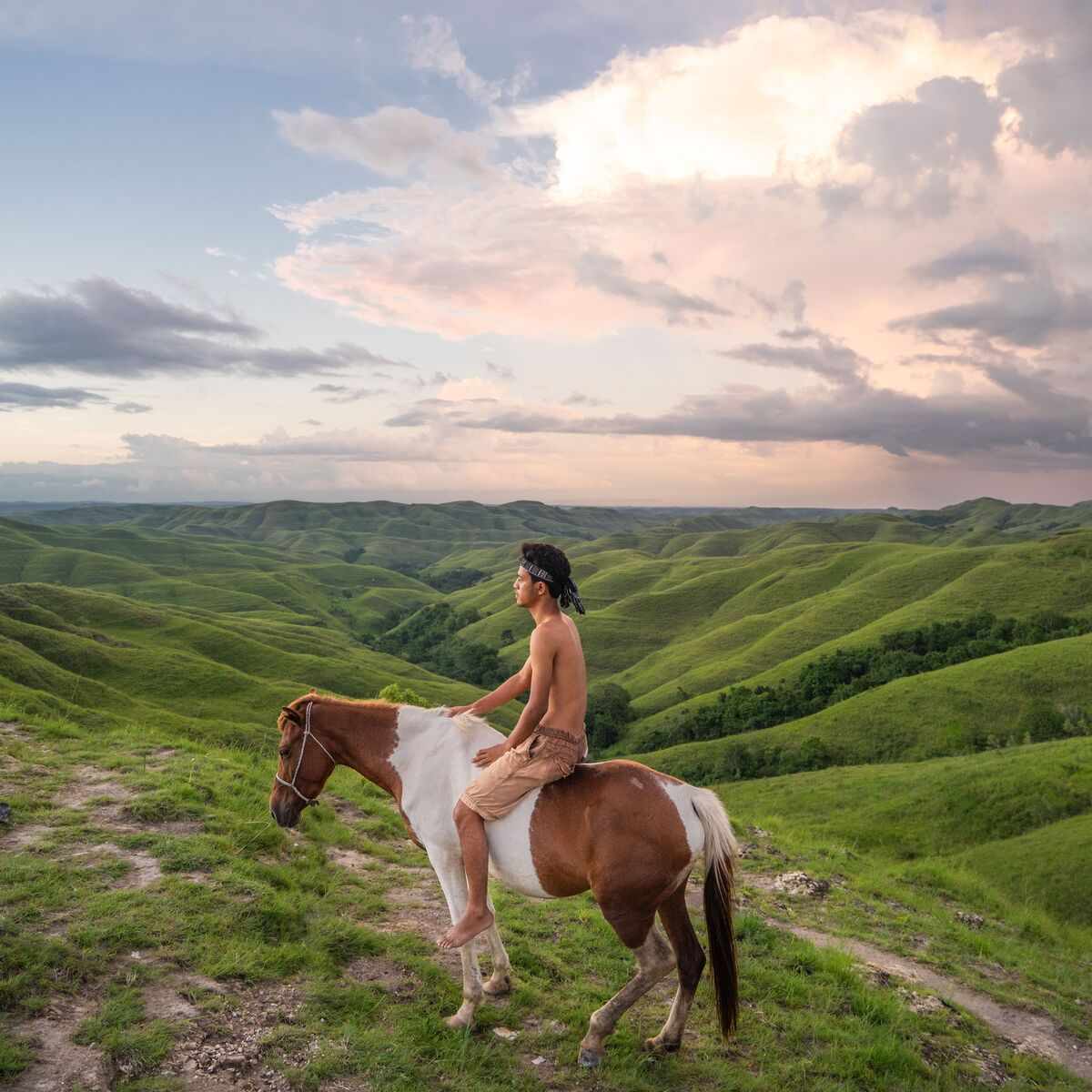
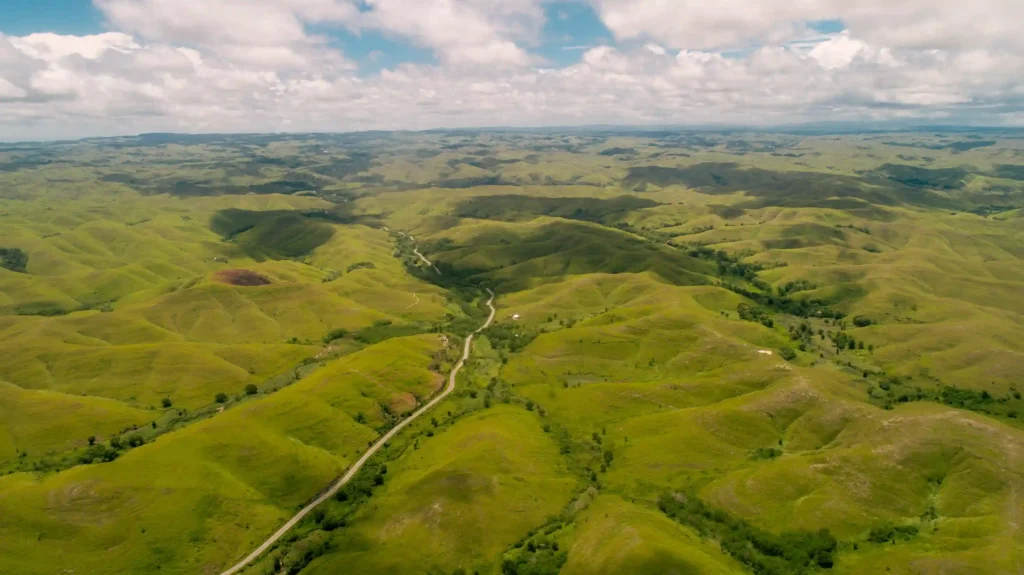
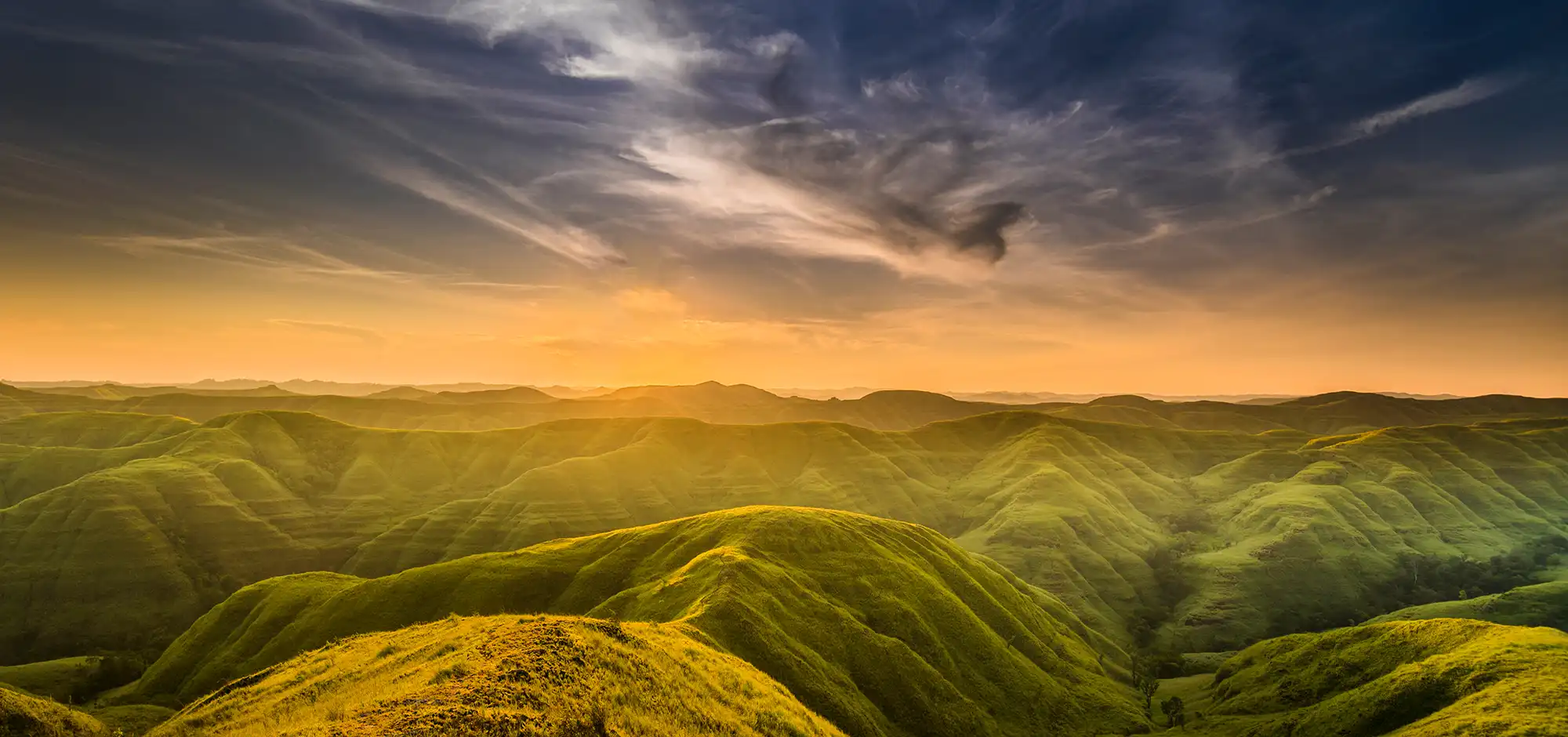
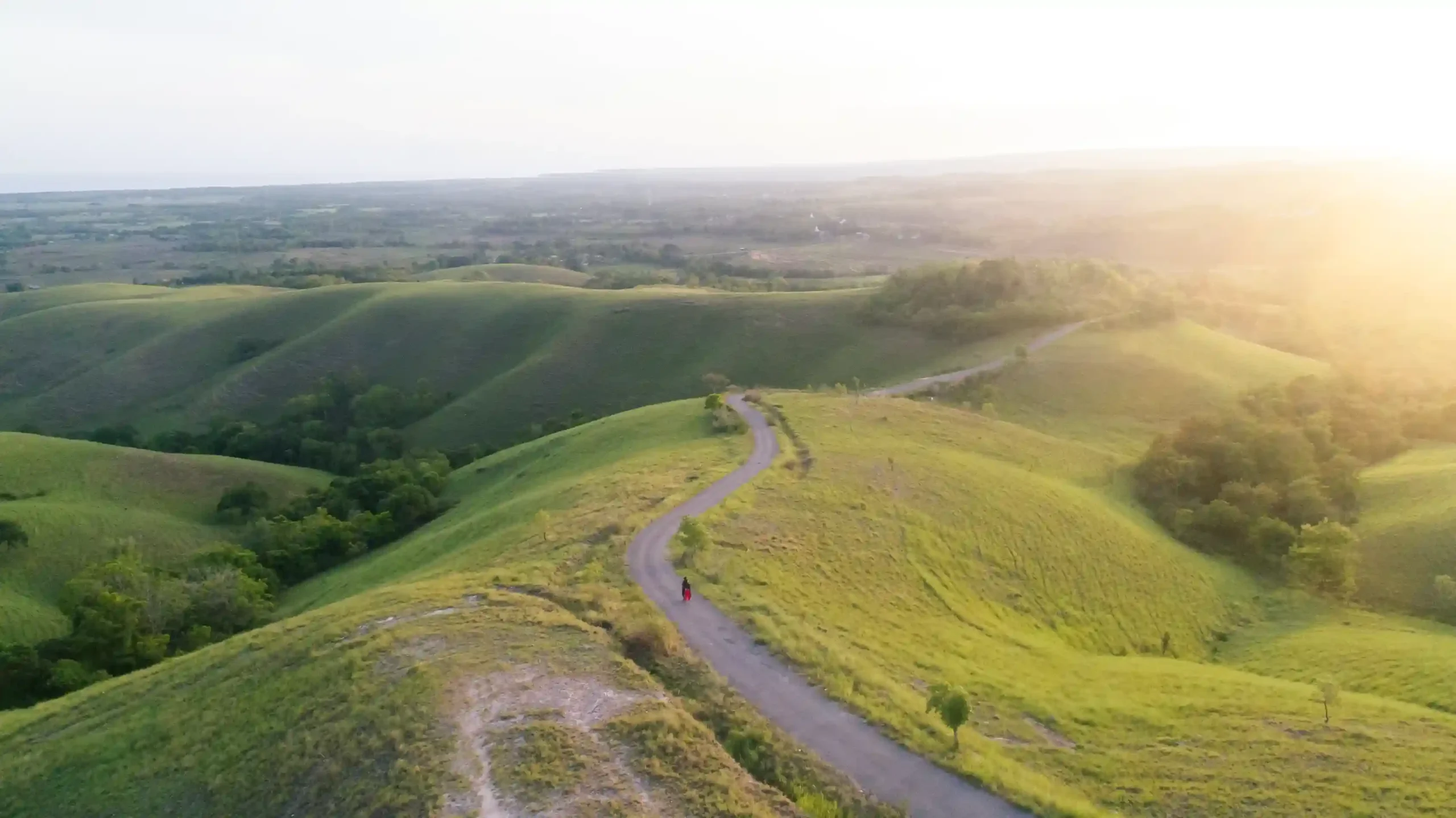
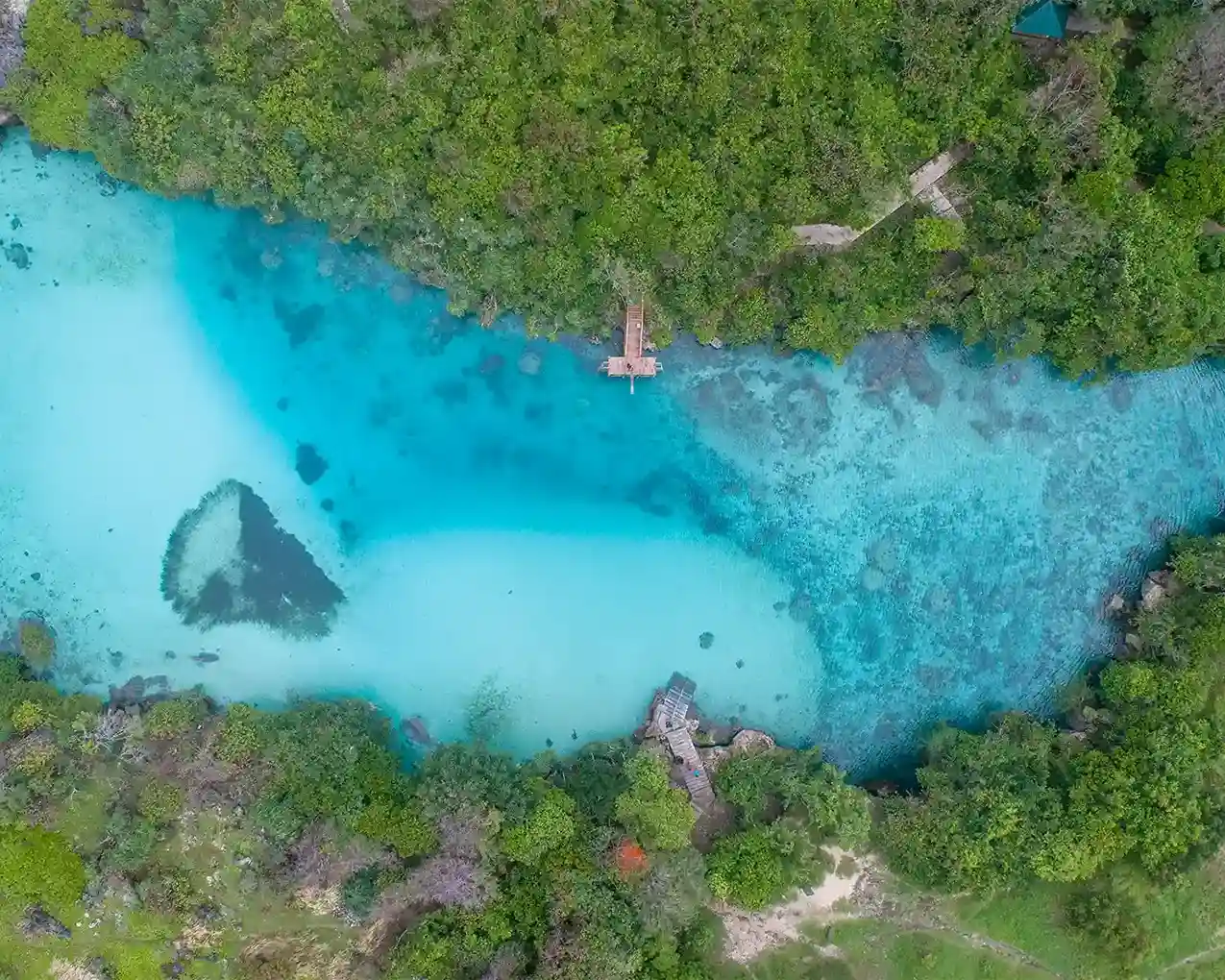
An early start earns you Weekuri Lagoon (locals also write it Waikuri) before the day-trippers arrive: a seawater pool trapped behind a limestone shelf, calm enough for a slow swim while the open ocean pounds the far side of the rock. Ten minutes away, Mandorak is a pocket beach pressed between two cliff walls — a short stop, and worth every minute. Then the long eastward leg begins. You break the drive at Prai Ijing near Waikabubak, a hilltop village recognised at the 2026 ASEAN Tourism Awards, where house terraces step down the ridge in tiers. By late afternoon you reach Wairinding, the first great savanna hill of the east — gold in the dry months, deep green after the rains — for sunset over folded grassland. This is the longest driving day of the tour, roughly six hours in total, and your guide paces the stops so it never feels like a transfer. Overnight in Waingapu.

Day 3: Tanarara — Waimarang or Tanggedu — Walakiri Sunset

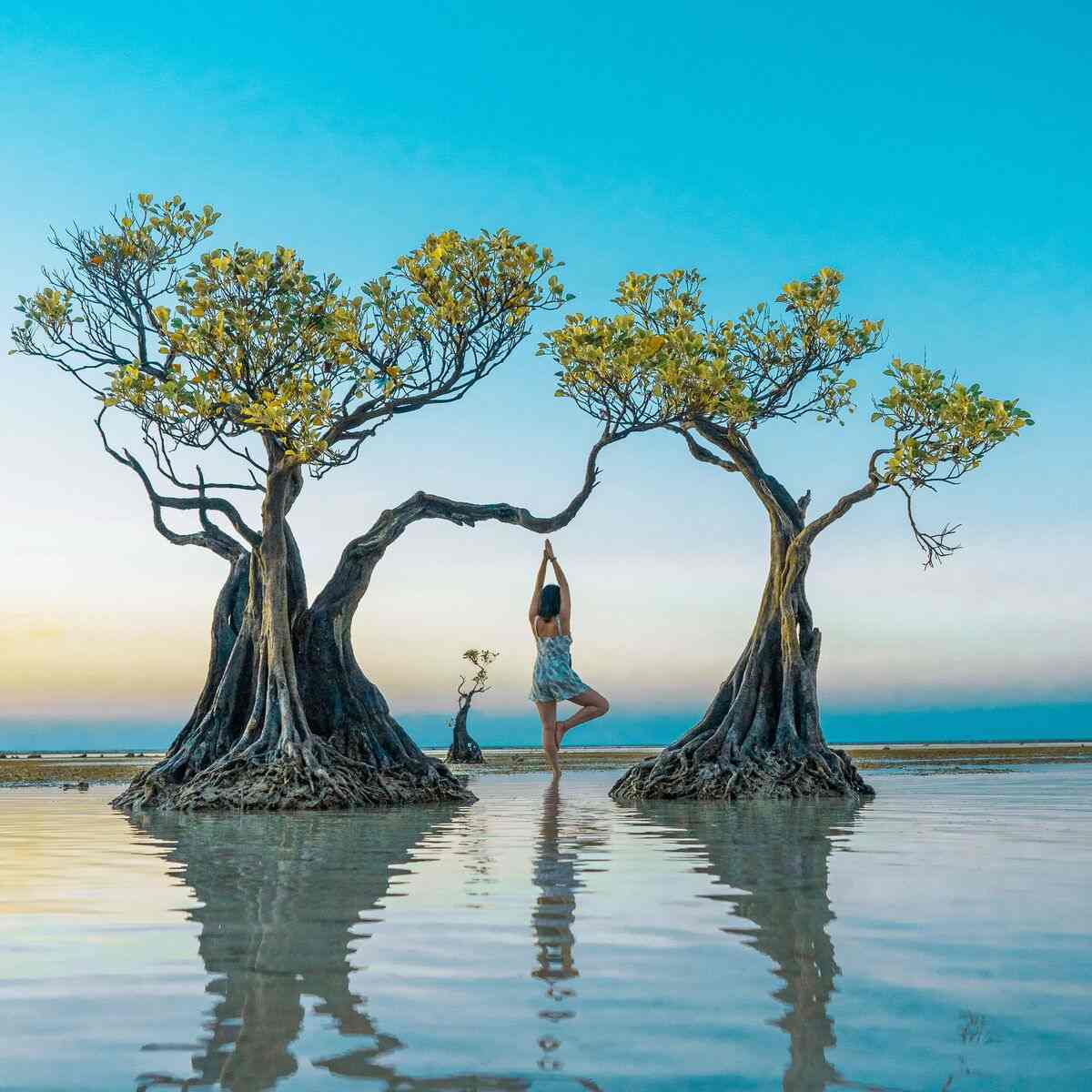
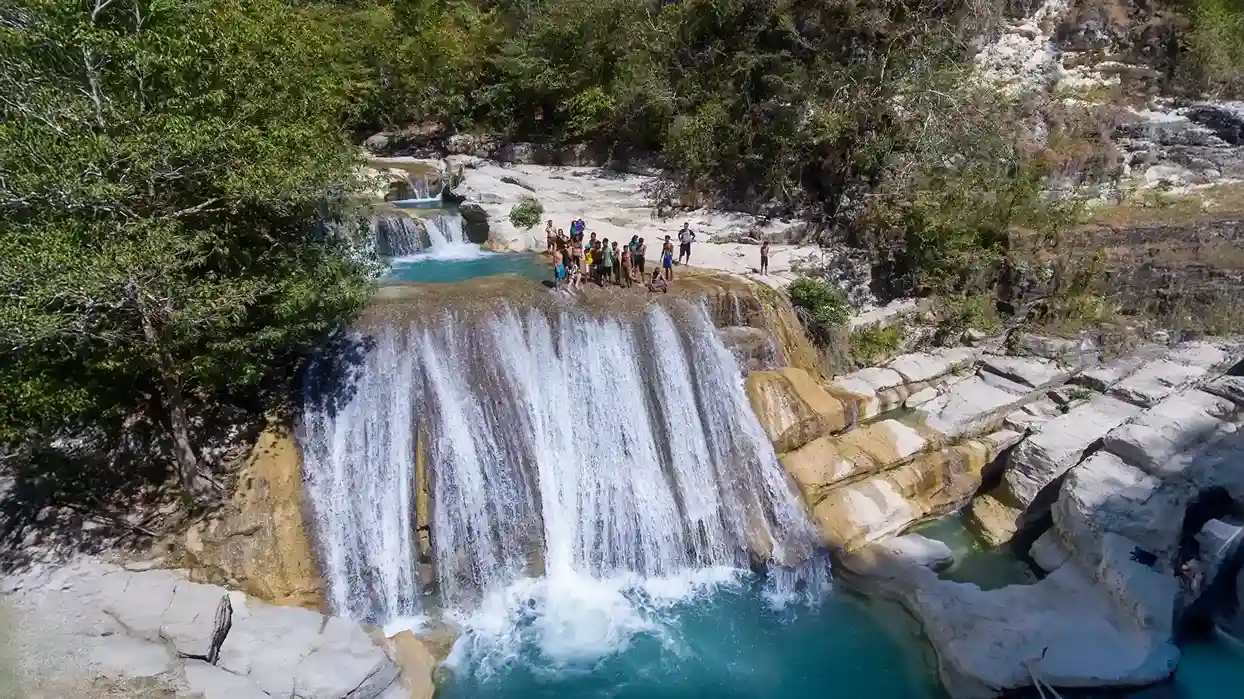
East Sumba day. Tanarara’s ridgelines come first, a viewpoint over hills that look drawn rather than grown. Then a choice your guide will help you make honestly: Waimarang waterfall, a short jungle walk to a jade plunge pool with a natural jumping ledge, or Tanggedu, often called the Grand Canyon of Sumba, a longer trek through terraced rock channels that suits confident walkers. Either way you are back on the coast by late afternoon for Walakiri Beach, where low tide pulls the sea back from a stand of small mangroves photographers call the dancing trees. Your guide times arrival to the tide, not the clock. Overnight in Waingapu.

Day 4: Tanau Hill Sunrise — Persaudaraan Hill — Waingapu Departure

One last early alarm, and it pays. Tanau Hill at sunrise looks across savanna to the sea, usually with no one else on it; Persaudaraan Hill, closer to town, adds a final view over rice terraces and the Waingapu plain. After breakfast and a short town stop — coffee, ikat textiles if you wish — your guide delivers you to Waingapu airport for the flight back to Bali. If four days felt short, browse the full ladder of Sumba island tour packages from 3 to 9 days before you plan a return.

How Much Does a 4-Day Sumba Tour Cost?

From USD 390 to 700 per person, as of August 2026, subject to season. The spread reflects group size: a private departure for two costs more per head than four or six guests sharing the same car and guide. The rate covers your private vehicle and fuel, an English-speaking Sumbanese driver-guide, three nights’ accommodation, village entrance donations, and airport transfers at both ends. Domestic flights from Bali are booked separately — Denpasar to Tambolaka and Waingapu back to Denpasar each operate daily, around 75 minutes in the air.

For context within our range: a compact 3D2N runs from roughly USD 300–550 per person, the 6D5N from USD 570–1,020, and a private car with driver-guide arranged day by day costs from about USD 60–90 per day. If you would rather build a custom route from those pieces, our Sumba overland tour page explains how the one-way Tambolaka-to-Waingapu logic works across any duration.

Is This Tour Suitable for Families Traveling with Children?

Yes, with honest caveats. Guests traveling with children on Sumba tours do well on this route because long distances are broken by swim stops and village visits, and a private car means naps happen on your schedule. A few specifics we brief every family on:

  • Stroller friendly spots in Sumba are rare. Walakiri Beach and hotel grounds are flat and easy; village lanes are packed earth and the savanna hills involve uneven climbs. A child carrier beats a stroller here.
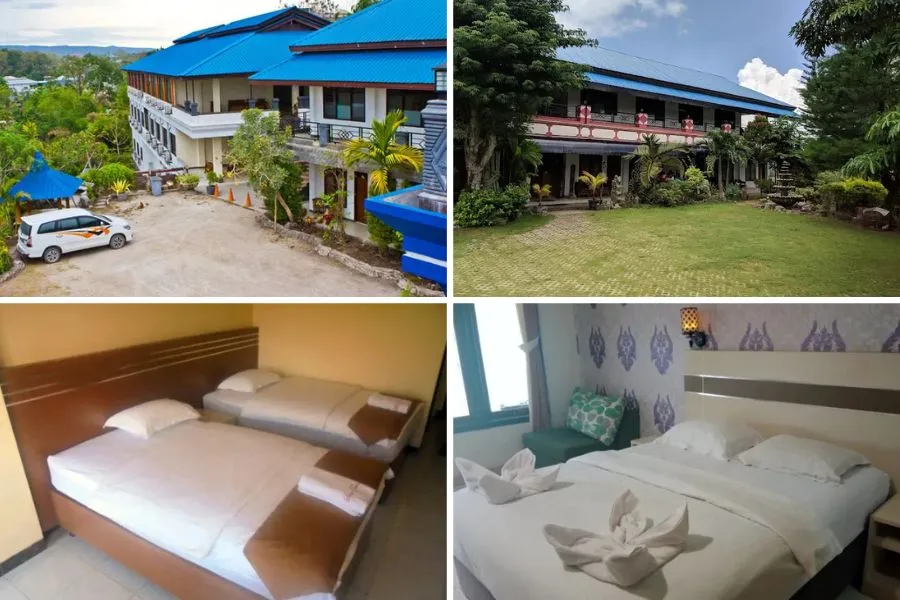
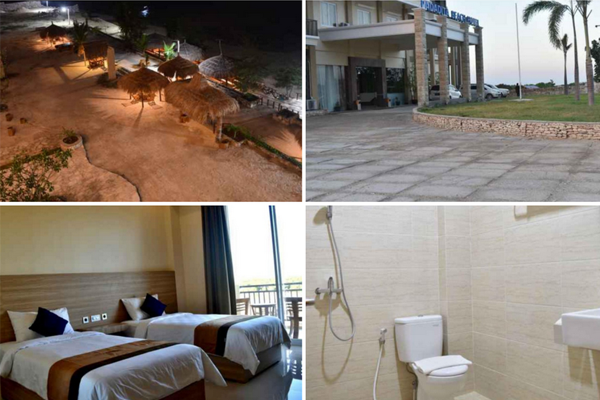
  • Rooms: our standard hotels in Tambolaka and Waingapu offer air-conditioned family rooms. Village homestays, available on request, are warm and memorable, but expect fan only rooms in Sumba homestays rather than air-conditioning — worth knowing in the hot months.
  • Baby friendly facilities in Sumba resorts and the better town hotels — cots, high chairs, calm pools — are far more dependable than in simple guesthouses; tell our advisor your children’s ages and we will place you accordingly.
  • Medical support for children in Sumba is basic but real: both Tambolaka and Waingapu have hospitals, and we carry a first-aid kit in every car. Pack your own paediatric essentials — fever medicine, rehydration salts — since familiar brands are hard to find.
  • Water stops: Weekuri Lagoon is calm and shallow at its edges, an ideal first swim; at the waterfalls, your guide will point out where children can and cannot enter.

What If It Rains? Backup Plans and Practical Notes

The dry season, roughly May to October, is dependable, but Sumba weather deserves respect in any month. Sensible backup plans for rainy days in Sumba are built into this route rather than bolted on:

  • Rain backups: waterfall trails close first in heavy rain. Your guide swaps in the ikat looms and royal tombs of Prailiu on the edge of Waingapu, or resequences the day — savanna viewpoints are often clear again by late afternoon.
  • Market days: several communities hold weekly morning markets; when your dates line up, your guide will detour. Market days in Sumba villages are the island at its most unfiltered — horses, textiles, betel nut and news.
  • Drones: for drone friendly landscapes in Sumba, few places in Indonesia compare — Wairinding, Walakiri and the Kodi coast especially. Always ask your guide before flying near villages or ceremonies; some sites expect a small fee, and sacred spaces are off-limits.
  • Pharmacies: stock up in town before heading out. Pharmacy opening hours in Sumba’s two main towns typically run from morning until around 9pm, with very little available between them.

What Are Evenings Like? Nightlife, Night Skies and the Perseids

Set expectations now: nightlife in Sumba is a grilled-fish dinner, a cold drink and an early alarm. There is no bar district, and that is rather the point. What Sumba offers after dark is above you. Light pollution is near zero outside the towns, and in August guests regularly watch the Perseid meteor shower from Sumba with nothing more than a beach chair and patience — ask us to time Day 3 around a dark-sky evening if the stars matter to you. The same emptiness draws another tribe: trail runners keep telling us about the genuine Sumba ultra marathon potential of the empty ridges around Waingapu, and more than one guest has traded a sunrise viewpoint for a sunrise run.

Why Guests Book This 4-Day Tour with Us

Read enough reviews of Sumba tour companies and one pattern emerges: trips succeed or fail on the guide, not the itinerary. Ours are named Sumbanese professionals — the same local team behind Indonesia Juara Trip’s Sumba departures — who read tides, trail conditions and village protocol the way outsiders read a map. Add transparent published pricing where competitors offer only quote forms, one-way routing that wastes none of your four days on repeated roads, and pacing set by an advisor who will tell you plainly when a stop is not worth your time. We would rather earn a considered booking than a fast one.

Book Your 4-Day Sumba Island Tour

Tell us your dates, group size and how you feel about early alarms, and we will confirm availability with an exact per-person rate within the published range. Speak to our Sumba travel advisor on WhatsApp at +62 811-994-1919 or email sales@indonesiajuara.asia — advice first, booking only when you are ready. Sumba Island Tour is operated with Indonesia Juara Trip, high-end local Sumba expertise and part of Juara Holding Group — since 2015. We show you the real Sumba.