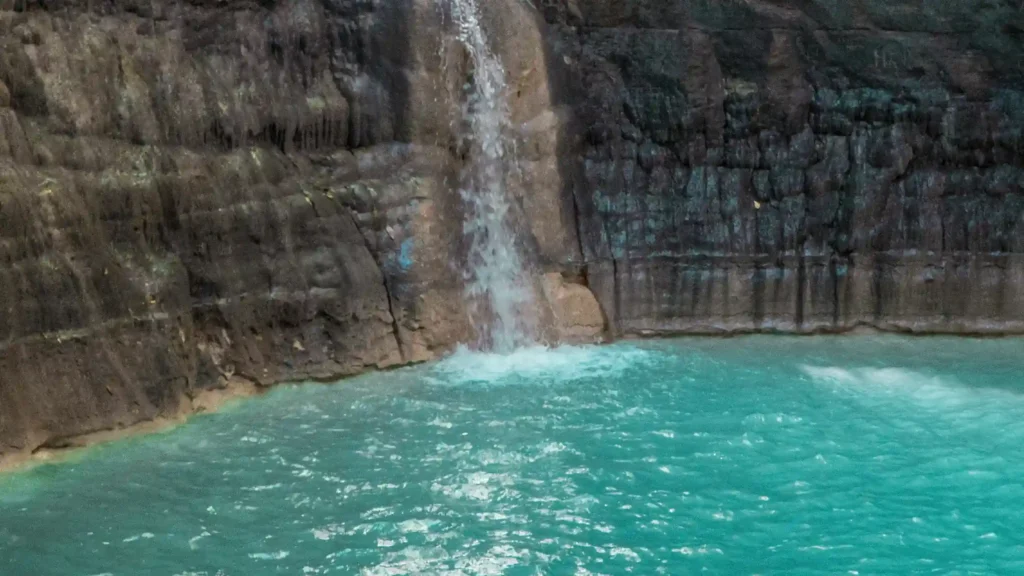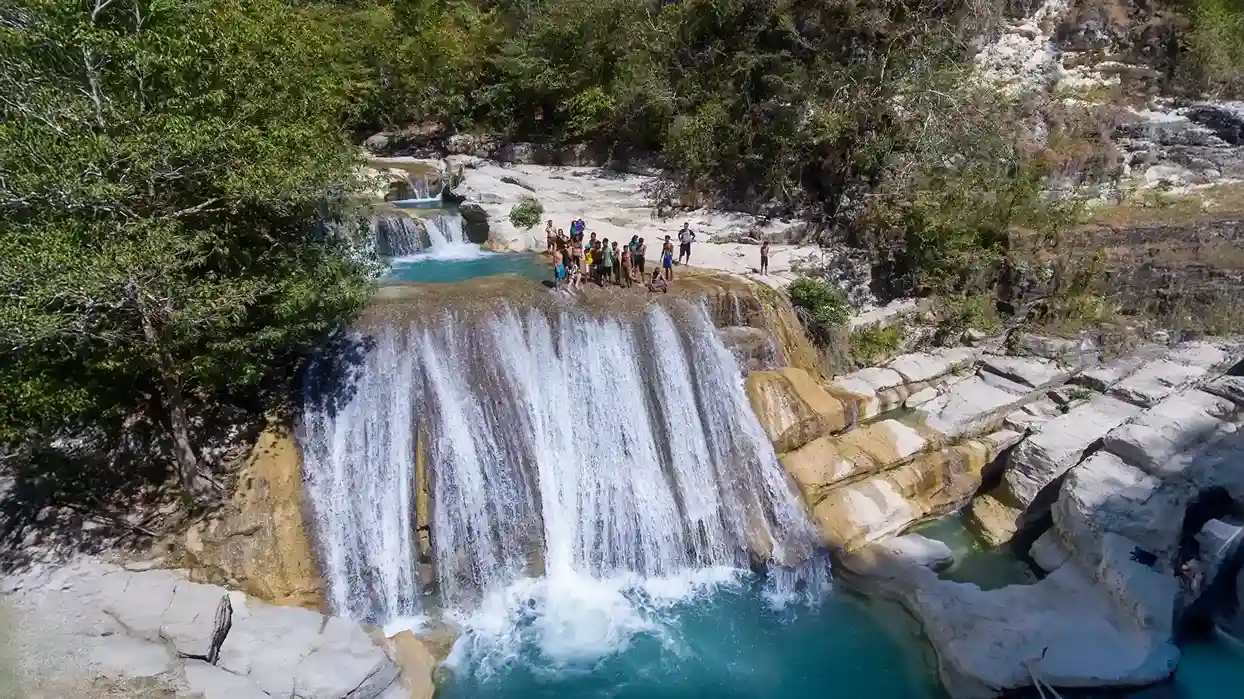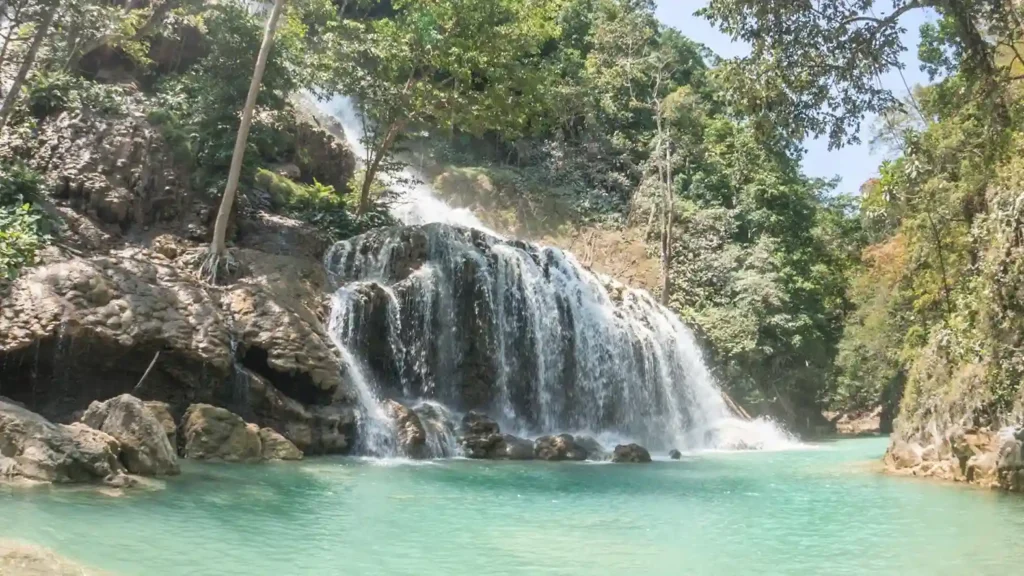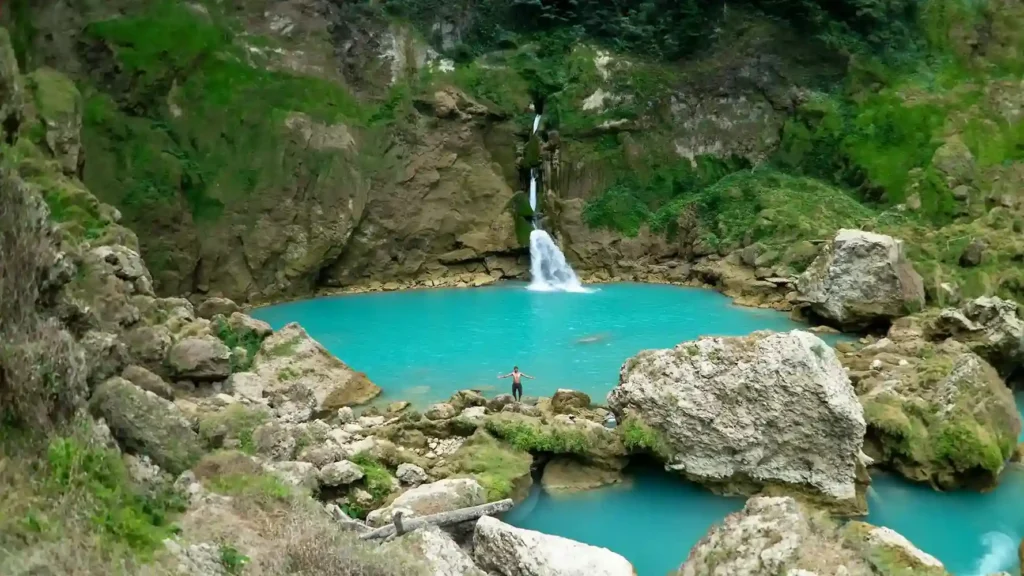
This private Sumba waterfall tour links six of the island’s finest falls — Waimarang, Lapopu, Tanggedu, Matayangu, Waikelo Sawah and Weekacura — into one guided circuit run west to east: fly into Tambolaka, fly out of Waingapu, no backtracking. The full 4D3N version starts from USD 390–700 per person (as of August 2026, subject to season and group size) with a private car, an English-speaking driver-guide and licensed local trekking guides at every gorge. We publish the price because guests planning a trek deserve to budget before they enquire — something the quote-only agencies selling Sumba from Bali or Europe still decline to do.
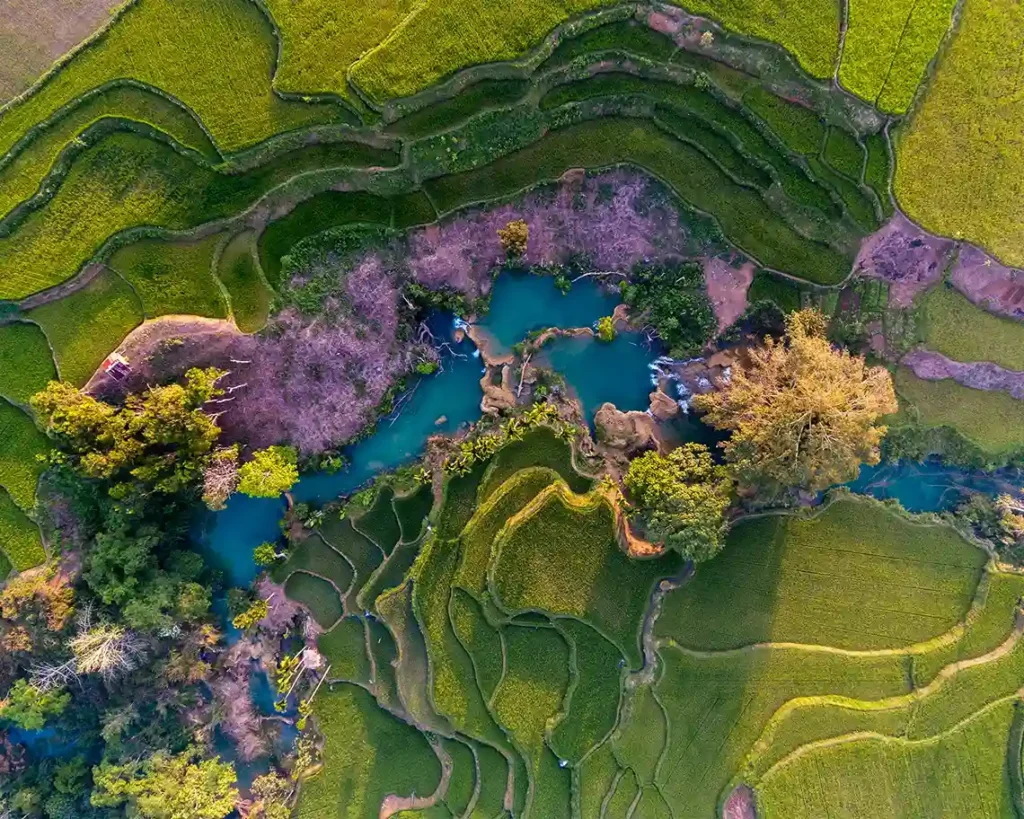
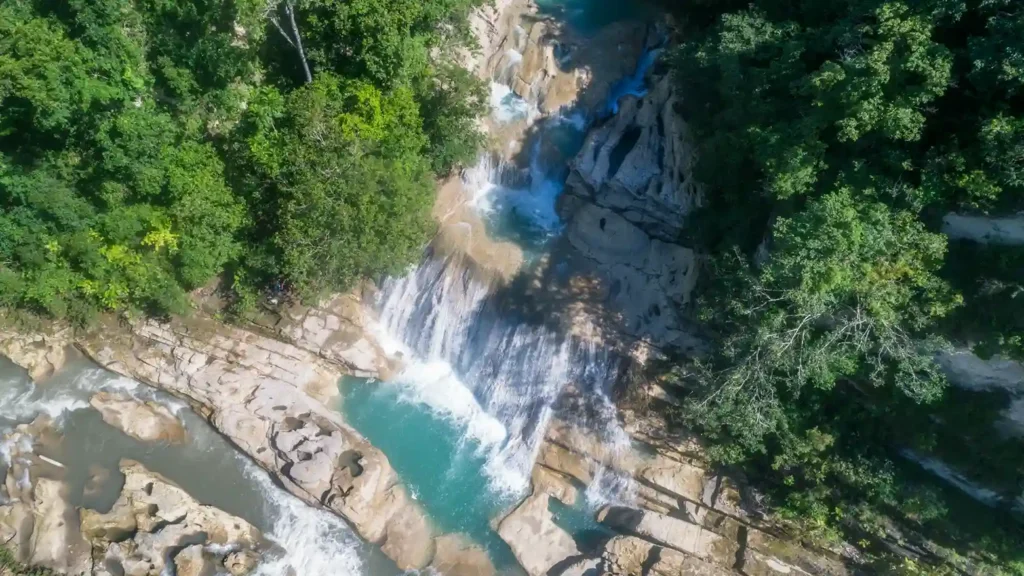
Sumba’s waterfalls are not roadside stops. Waimarang hides in a jungle gorge inland from Melolo, Tanggedu carves through rock formations locals call the Grand Canyon of Sumba, and Matayangu pours from a cave mouth inside Manupeu Tanah Daru National Park, on ground the Marapu faith holds sacred. Reaching them safely, and respectfully, is precisely the work our Sumba-born team does best.
Why Trek Sumba’s Waterfalls With a Local Guide?
Three reasons, plainly put. Navigation first: most trailheads are unmarked, and the final approach to Tanggedu or Waimarang changes after every wet season as farmers re-cut paths through their fields. Safety second: the famous cliff jump at Waimarang looks effortless on camera, yet the safe entry point shifts with the water level, and the call on whether guests jump belongs to a guide who reads that pool every week. Community third: several falls sit on village land governed by adat custom. Your private guide handles the greetings, pays the retribution on your behalf and briefs you on etiquette, so you arrive as an invited guest rather than a stranger with a drone.
How Difficult Is Each Waterfall? Ratings at a Glance
We grade every trek the way international adventure operators do, so you can match the route to your knees honestly. Regular hikers will find nothing here extreme; guests who prefer flat ground can build a gentler version around Lapopu and Waikelo Sawah alone.
| Waterfall | Region | Trek, one way | Difficulty | Signature moment |
|---|---|---|---|---|
| Waimarang | East Sumba | 30–40 min descent | Moderate | Cliff jump into a jade plunge pool |
| Lapopu | West Sumba, national park | 10–15 min | Easy | Sumba’s tallest fall, a 90 m tiered cascade |
| Tanggedu | East Sumba | 45–60 min | Moderate to challenging | Twin channels through a sculpted canyon |
| Matayangu | Central Sumba, national park | 1.5–2 hr forest trek | Challenging | Water bursting from a sacred cave |
| Waikelo Sawah | West Sumba | 5 min | Easy | Spring-fed fall and irrigation tunnel above rice terraces |
| Weekacura | West Sumba | 20–30 min river walk | Easy to moderate | Limestone pools close to Waikabubak |
Day-by-Day Itinerary: The 4D3N Waterfall Circuit
This is our recommended shape; every departure is private, so days can be swapped or softened. It mirrors the overland framework our parent operator publishes as the Sumba Tour 4D3N, re-weighted so every day earns at least one waterfall.
Day 1: Tambolaka Arrival — Waikelo Sawah & Weekacura
Daily flights from Bali reach Tambolaka in about 1 hour 15 minutes. Your driver-guide meets you at arrivals, and within the hour you are at Waikelo Sawah, where a spring-fed fall pours beside an irrigation tunnel above working rice terraces — a gentle first taste, no trek required. After lunch, continue to Weekacura’s limestone pools for a 20–30 minute river walk and your first swim. Overnight in Waikabubak, the hill town that makes the most practical base for the western falls.
Day 2: Lapopu & Matayangu — Manupeu Tanah Daru National Park
Leave early: misty mornings near Lapopu waterfall are their own reward, and in the dry season the ridges on the drive in produce genuine cloud inversions — some of the best views in Central Sumba happen before nine o’clock. At the park post your guide settles the tickets, and a 10–15 minute path brings you to the foot of Lapopu’s 90-metre staircase of stone tiers, the tallest waterfall on the island. Fit guests can add the 1.5–2 hour forest trek to Matayangu, where the river erupts from a cliff cave that Marapu tradition holds sacred; your guide will brief you on conduct before entering. Listen for the park’s endemic birds along the way — this forest shelters the Sumba hornbill and the citron-crested cockatoo. Overnight again in Waikabubak.
Day 3: Overland East — Tanggedu, the Grand Canyon of Sumba
A four-hour drive crosses the island’s spine to Waingapu, with a leg-stretch at Wairinding’s savanna hills en route. After an early lunch, head up the Puru Kambera coastal road, then inland to Tanggedu village, where local guides walk you 45–60 minutes down into the canyon. The reward is a pair of falls sliding through stone that water has sculpted into curves — and the canyon rim on the walk back, with late light across the savanna, ranks among the best views in East Sumba. Overnight in Waingapu. If energy allows, Walakiri’s dancing mangroves at sunset are thirty minutes away; our Sumba beach tour covers that side of the island properly.
Day 4: Waimarang Cliff Jump — Waingapu Departure
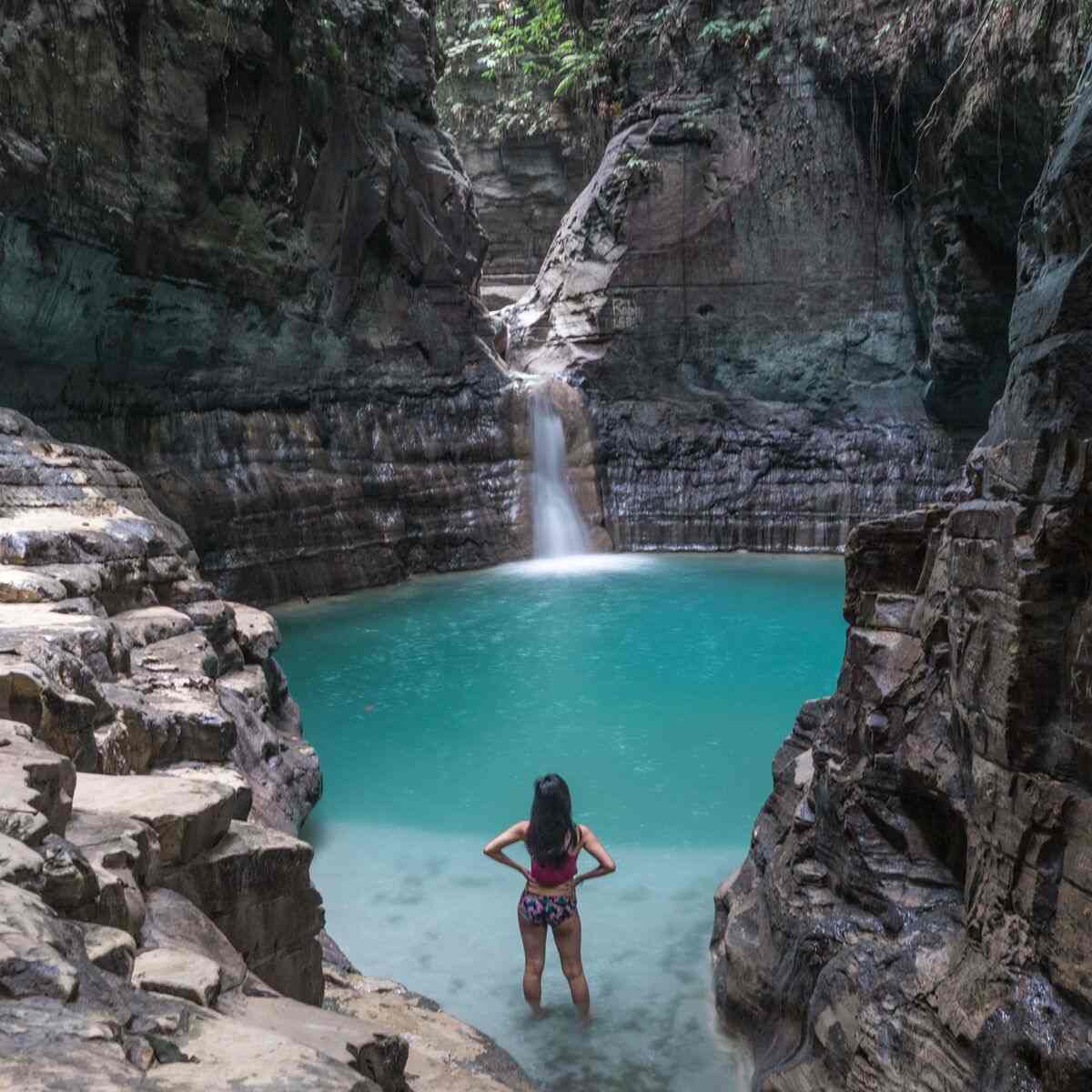
Save the swim everyone comes for until last. About 1.5 hours southeast of Waingapu, past Melolo, a 30–40 minute descent lands you in a compact amphitheatre where the river drops into Waimarang’s deep jade pool, ringed by jump ledges at several heights. Your guide checks the water before anyone leaps and calls the jump off when the level is wrong — no exceptions, and guests thank us for it. Dry off, lunch locally, then transfer to Waingapu airport for the afternoon flight to Bali.
Short on days? A compressed east-only version — Tanggedu, Waimarang and a Walakiri sunset — runs as the waterfall-weighted cousin of our 3-day Sumba itinerary.
What Does a Sumba Waterfall Tour Cost?
Transparent numbers, as of August 2026 and subject to season:
- 4D3N waterfall circuit: from USD 390–700 per person, varying with group size — a couple pays toward the top of the band, groups of four to six approach the bottom.
- 3D2N east-only version: from roughly USD 300–550 per person.
- Custom builds: a private car with driver-guide runs from about USD 60–90 per day, with waterfalls priced a la carte on top.
On fees, since guests always ask: the entry fee for Lapopu waterfall is a national park ticket paid in cash at the post, and the entry fee for Tanggedu waterfall is a village retribution collected at the trailhead. Both are modest rupiah amounts that shift from year to year, both sit inside our package price, and both are handled by your guide so you never fumble for small notes at a gate.
When Is the Best Time? Water Levels Month by Month
Lapopu waterfall’s water level by month follows the rains. January to March it thunders brown and swimming is off; April to June it runs full but clearing — our favourite window; July to October it is clear and moderate; November and December it rebuilds. Waimarang waterfall access in the rainy season is the bigger caveat: the pool turns turbid and the jump is often suspended in January and February, so if the cliff jump is your reason for coming, aim for April through November. Tanggedu shows its blue-green best from April to July, and cloud inversions in Central Sumba belong to the cool dry-season dawns of May through August.
Where to Stay Between Waterfalls
An honest answer: there are no lodges at the falls themselves. Guests searching for guesthouses near Lapopu waterfall should base in Waikabubak, about an hour away, where simple guesthouses and a handful of comfortable mid-range hotels cover most budgets. Likewise, lodges near Tanggedu waterfall do not yet exist — Waingapu, roughly 1.5 hours south, is the sensible base and holds the island’s widest choice of town hotels. We book both bases for you and match the standard to your brief, from clean-and-simple to the best room in town.
Is East Nusa Tenggara Safe? Reading the Travel Advisories
Travel advisories for East Nusa Tenggara sit at the same routine country-level guidance most governments apply to Bali, with no elevated warning specific to Sumba. The risks that actually matter here are practical ones: rural roads after dark, strong sun, rivers that rise quickly after upland rain, and malaria, which is present on Sumba — discuss prophylaxis with your travel doctor before flying. Our guides carry first-aid kits, keep driving to daylight hours, and reroute around any river crossing that looks doubtful.
Ways to Extend: Scenic Flights, Liveaboards & Villages
Guests often ask about a Sumba scenic flight experience. The honest answer: no scheduled scenic-flight product operates on the island — occasional helicopter charters serve the luxury resorts, and the reliable version is a window seat on the Bali–Tambolaka hop, which crosses Sumbawa’s volcanoes and Sumba’s north coast on a clear day. A Sumba liveaboard plus land tour, on the other hand, is very real: through our network we pair a Komodo liveaboard out of Labuan Bajo with this waterfall circuit, one short flight apart. And on the ground, the natural companion to waterfalls is culture — our Sumba traditional villages tour threads Ratenggaro, Praijing and Rende between the same overnight bases.
What’s Included
- Private air-conditioned car with English-speaking local driver-guide, Tambolaka pickup to Waingapu drop-off
- Licensed local trekking guides at Waimarang, Tanggedu and Matayangu
- Three nights of accommodation with breakfast (two in Waikabubak, one in Waingapu)
- All entrance tickets, national park fees and village retributions
- Mineral water and dry bags on trek days
Not included: flights, lunches and dinners (your guide knows the good warungs in both towns), and personal travel insurance, which we require for the Waimarang jump.
Questions Guests Ask Before Booking
Do I need to be a strong swimmer for Waimarang?
Confident swimming, yes — the pool is deep by design. Jumping is optional; plenty of guests slip in from the low lip and skip the ledges entirely, and life vests are available on request.
Can children join this tour?
Yes, with routing adjustments. Lapopu, Waikelo Sawah and Weekacura suit families well; we usually swap Matayangu’s long trek for extra pool time, and your guide assesses Waimarang’s descent child by child on the day.
How far ahead should we book?
Two to four weeks is comfortable for most dates. July, August and the weeks around Pasola (confirmed by the lunar calendar around February–March; we track the local announcements) fill earliest, because guides and rooms are shared with festival traffic.
Plan Your Sumba Waterfall Tour
Operated with Indonesia Juara Trip — high-end local Sumba expertise. We show you the real Sumba: which pool is clear this week, which canyon to skip after last night’s rain, which guide grew up beside which river. Tell us your dates and how far you like to walk, and we will shape the circuit around you.
Speak to our Sumba travel advisor — WhatsApp +62 811-994-1919 or email sales@indonesiajuara.asia. Part of Juara Holding Group — since 2015.