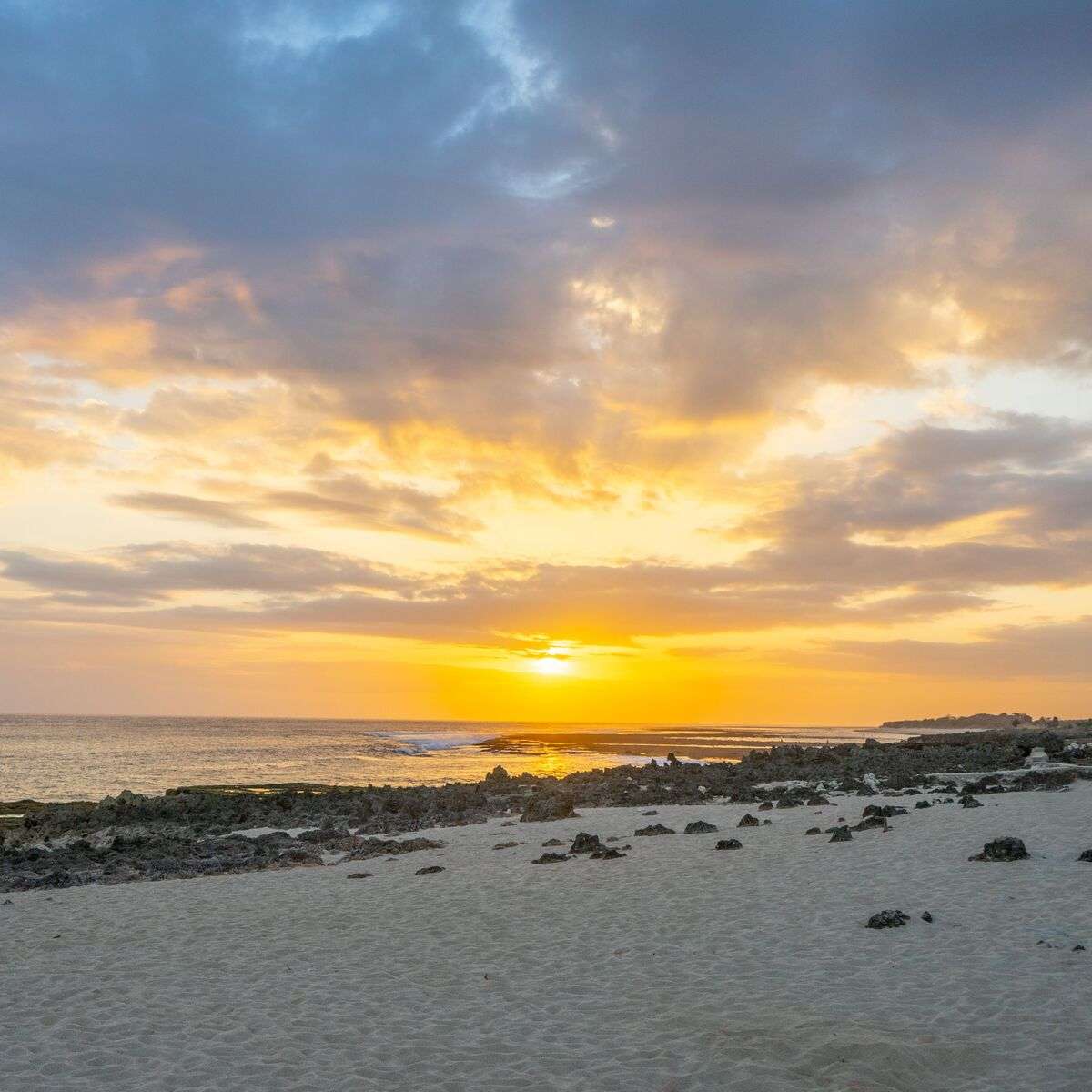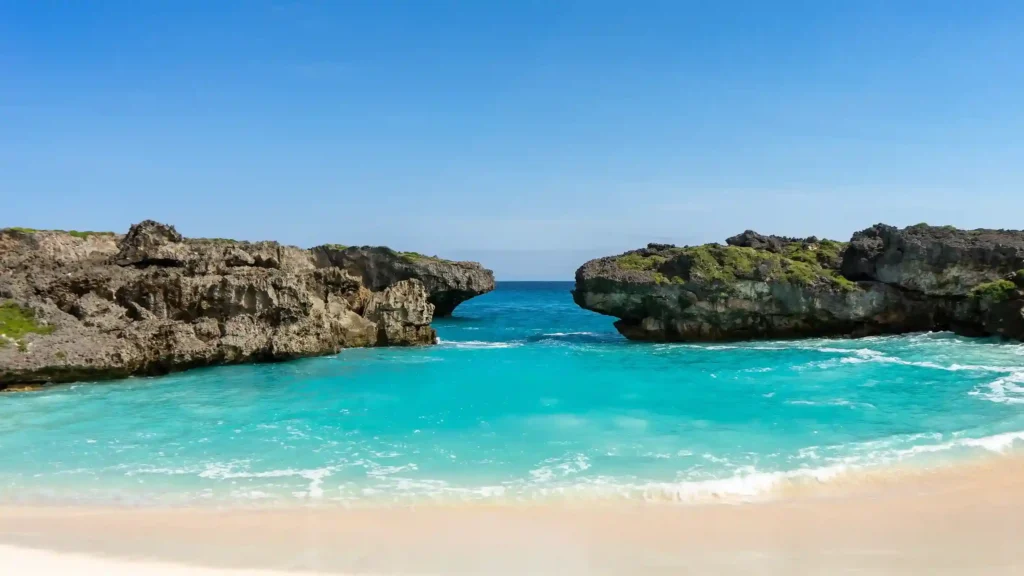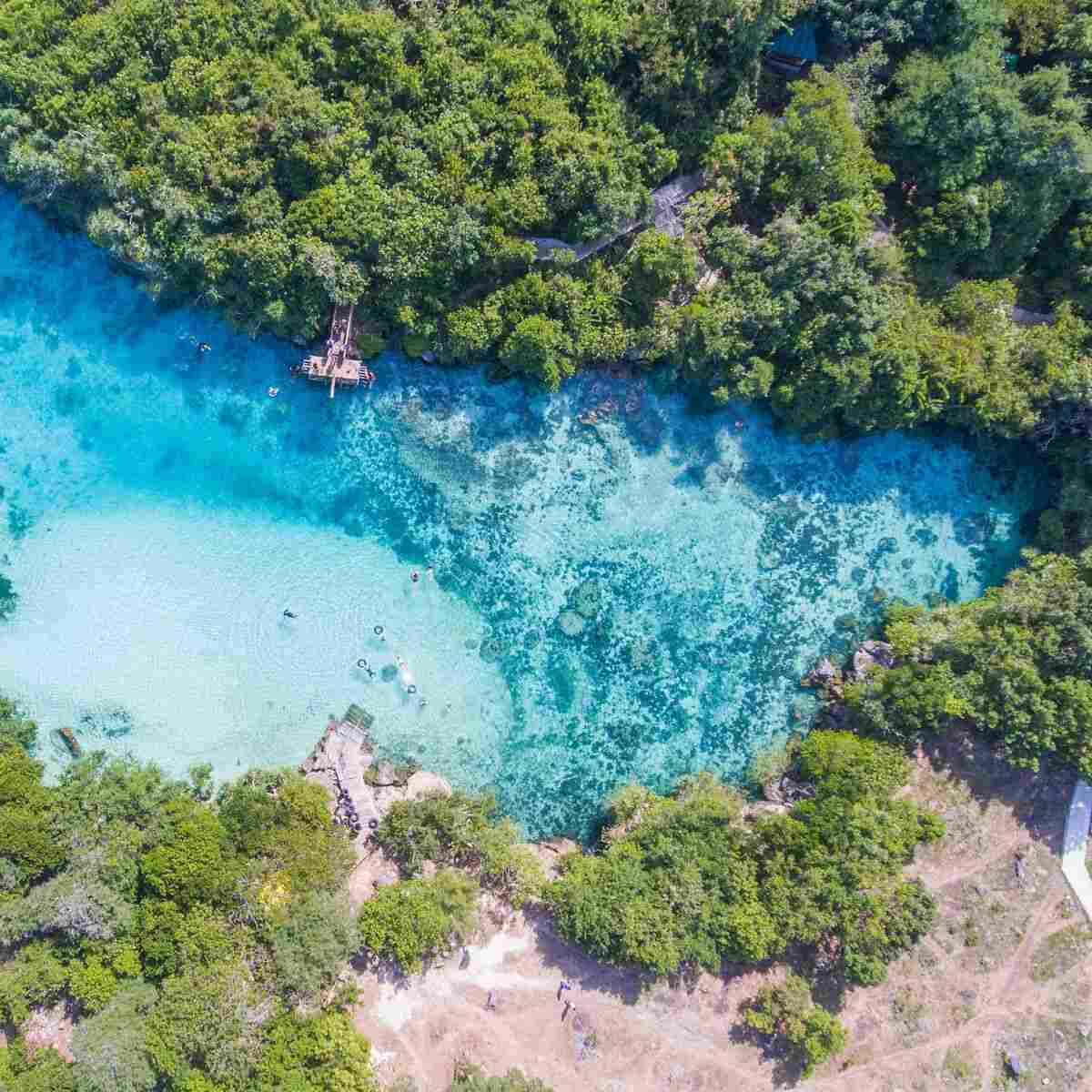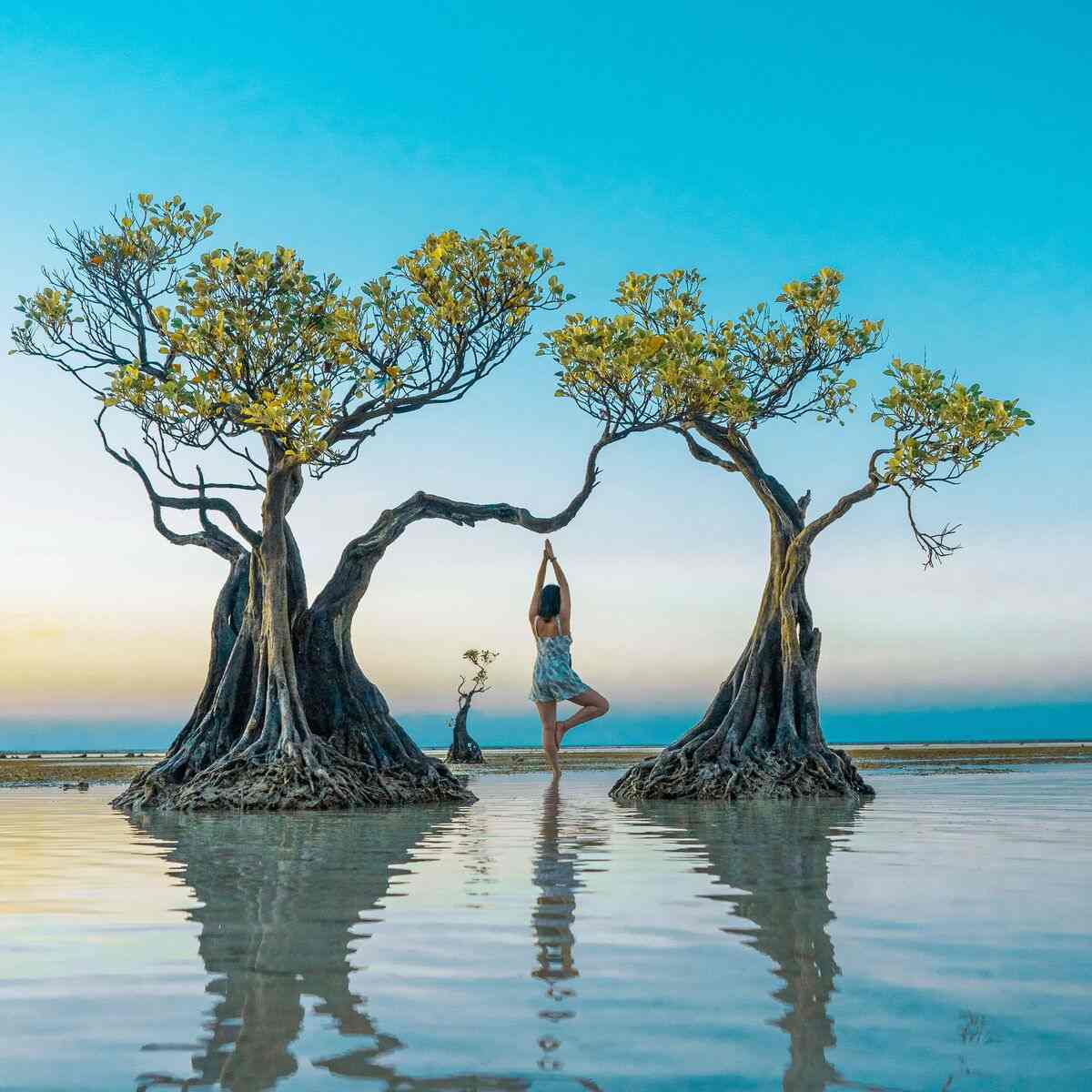
Walakiri Beach dancing mangrove trees at sunset, East Sumba

Walakiri Beach & Dancing Trees Sunset Guide 2027

Walakiri Beach is a shallow, white-sand bay about 24 kilometres east of Waingapu in East Sumba, and it holds the island’s most photographed subject: the “dancing trees”, a stand of wind-sculpted mangroves that seem to freeze mid-step across the tidal flat. The formula for the famous shot is simple — a receding tide, a clear western horizon, and the final hour before sunset, which falls between roughly 5:45 and 6:15 PM in Sumba all year. Below, our Waingapu-based team explains the tide windows, the tripod positions that actually work, the current drone rules, and how guests fold Walakiri into a wider East Sumba route in 2027.

What Makes Walakiri Beach Worth the Drive?

Most of Sumba’s coastline is drama — surf, cliffs, and empty swell. Walakiri is the opposite: a calm, knee-deep bay where the sand shelf runs out for hundreds of metres and the water rarely climbs past your waist. What sets it apart is the small grove of mangroves standing free of the shore. Decades of monsoon wind have bent their trunks into curves that read like dancers caught between poses, and on a low tide each tree stands on a mirror of wet sand that doubles every silhouette.

The image has travelled far beyond the island. Walakiri silhouettes appear regularly in photography contests featuring Sumba and in airline magazines, and the flat is now a requested backdrop for elopement photography in Sumba — couples exchange vows barefoot on the sand an hour before the sky turns amber, with only a guide, a photographer, and the trees for witnesses. If one frame convinces most guests to fly to East Sumba, it is this one.

When Should You Arrive for the Dancing Trees?

Plan around two clocks: the sun and the tide.

  • Sunset time: between 5:45 and 6:15 PM year-round (Central Indonesia Time). Arrive by 4:30 PM so you can walk the flat, choose your trees, and settle in before the light peaks.
  • Tide: the mirror effect needs a low or receding tide, when a centimetre-thin sheet of water rests on the sand. At high tide the trees stand in the sea — still lovely, but you lose the reflections and the walking room. Your private guide checks the Waingapu tide table when confirming your day order; the window shifts by about 50 minutes daily, so the “right” evening changes through your stay.
  • Season: April to October delivers clean orange horizons almost nightly. November to March trades reliability for drama — towering clouds, occasional squalls, and the best skies of the year when a storm breaks in time.

If your dates are fixed, do not agonise over the tide. Even at higher water Walakiri delivers; the composition simply changes from reflections on wet sand to trees rising out of a pastel sea.

Where Do You Put the Tripod?

The classic frame places the trees between your lens and the western skyglow, shot low so every curve reads as a clean silhouette. Field notes from our guides, who have watched hundreds of these sunsets:

  • Go low, go wide: kneel or drop the tripod to half a metre. From standing height the trees flatten into the horizon; from low, they dance.
  • Mind your feet: tripod legs sink into the soft flat. Press them in firmly before framing, and re-level after a few minutes.
  • Slow the water: a small neutral-density filter and a two-to-ten-second exposure turn the film of water to glass and pull streaks out of the clouds.
  • Walk wide of other lenses: at peak season a dozen photographers share the flat. Circle behind, never through, a stranger’s frame — you will want the same courtesy at 6:05 PM.
  • Stay for blue hour: most visitors leave with the sun. The twenty minutes after are often the best of the evening. Bring sandals and a headlamp for the walk back.

One request from the community: do not climb or hang on the trees. The branches are brittle, and they are the entire reason this bay is famous.

Are Drones Allowed at Walakiri Beach?

Yes, with courtesy and paperwork in order. There is no formal no-fly zone over the bay, so drone rules at Walakiri Beach default to the national drone regulations in Indonesia: stay below 120 metres, keep visual line of sight, avoid flying over people, and secure a civil aviation permit for commercial shoots. Two local realities matter more than the rulebook. First, the sunset hour concentrates every photographer on the same short stretch, and a drone buzzing the trees at 5:50 PM will win you no friends — fly earlier in the afternoon, then land before golden hour. Second, the onshore breeze that sculpted these trees pushes small drones hard, so keep margins generous. Ask your guide to greet the village caretakers before you launch; a short, respectful word goes a long way in Sumba.

Can You Swim, Snorkel, or Dive at Walakiri?

Swim, happily. At mid to high tide the bay is warm, waist-deep, and free of current, which makes it one of East Sumba’s safest swimming beaches for families. Snorkelling is modest — seagrass patches and juvenile fish rather than coral gardens — and snorkel gear rental in Sumba is still scarce, so pack your own mask or ask us to arrange sets before you fly. On diving we are straightforward with guests: Sumba diving opportunities remain in their infancy, with no established dive centre in Waingapu as of August 2026. Divers usually treat Sumba as the land-and-culture chapter of a longer Indonesian journey and add a dedicated dive leg elsewhere.

How Do You Combine Walakiri with the Rest of East Sumba?

The proven afternoon pairing is Wairinding first, Walakiri second. Wairinding’s folded savanna hills sit about thirty minutes from Waingapu and glow between 3:30 and 4:30 PM; from there your driver loops back through town and east along the coast road, setting you on the flat by 5:15 PM with time to spare. It is the most rewarding half-day in East Sumba, and on a private itinerary it costs nothing extra.

With more days, Walakiri becomes the sunset anchor of a larger loop. Our East Sumba Tour threads Tanggedu’s canyon, the wild-horse savanna of Puru Kambera, the royal tombs of Rende, and Watuparunu’s sunrise cliffs around it, while the Central Sumba Tour adds Anakalang’s megaliths and the waterfalls of Manupeu Tanah Daru on your way west. As of August 2026 and subject to season, a private car with an English-speaking local driver-guide runs from about USD 60–90 per day, and our full 4D3N overland — with the Walakiri sunset built into day three — starts from USD 390 to 700 per guest depending on group size.

Practical Notes for 2027

  • Fees: there is no ticket booth; villagers collect a small parking and access contribution in cash, so carry small rupiah notes.
  • Power and charging: Sumba uses Indonesia’s standard 230V two-pin sockets, so pack universal adapters for Sumba outlets if your plugs are UK, US, or Australian. Solar power projects in Sumba hotels are spreading around Waingapu — good news for the island, though evening supply can dip — so charge camera batteries in the afternoon and carry a power bank.
  • Morning add-on: street photography in Waingapu is quietly excellent. The harbour at first light and the morning market give your album a human counterpoint to the evening’s silhouettes.
  • Corporate and incentive groups: we issue formal documentation that meets invoice requirements for corporate trips — company details, itemised services, and payment records — on request.
  • Community: tourism here is young, and the social impact of tourism on Sumba youth is visible in the best way: Sumba hospitality job opportunities — guiding, driving, front-of-house work — now keep talented young people on their own island. Buying coconuts or grilled corn from the beachside vendors is a small, direct way to keep that going.

Plan Your Walakiri Sunset with Us

Walakiri rewards travellers who time it well, and timing is what a local team does best. Our driver-guides live with these tides and read the sky by habit, so your one sunset here lands on the right evening, at the right hour, on the right stretch of sand. We build the beach into day three of our 4-day Sumba overland with Indonesia Juara Trip, from USD 390–700 per guest as of August 2026, subject to season — or we shape a private route around a photography brief, an elopement, or a slow family week.

Speak to our Sumba travel advisor on WhatsApp at +62 811-994-1919 or email sales@indonesiajuara.asia. Sumba Island Tour is operated with Indonesia Juara Trip — high-end local Sumba expertise, part of Juara Holding Group — since 2015.

Similar Posts