Travel Journal
Exploring Sumba Island’s Rich History in 2027
6 min read
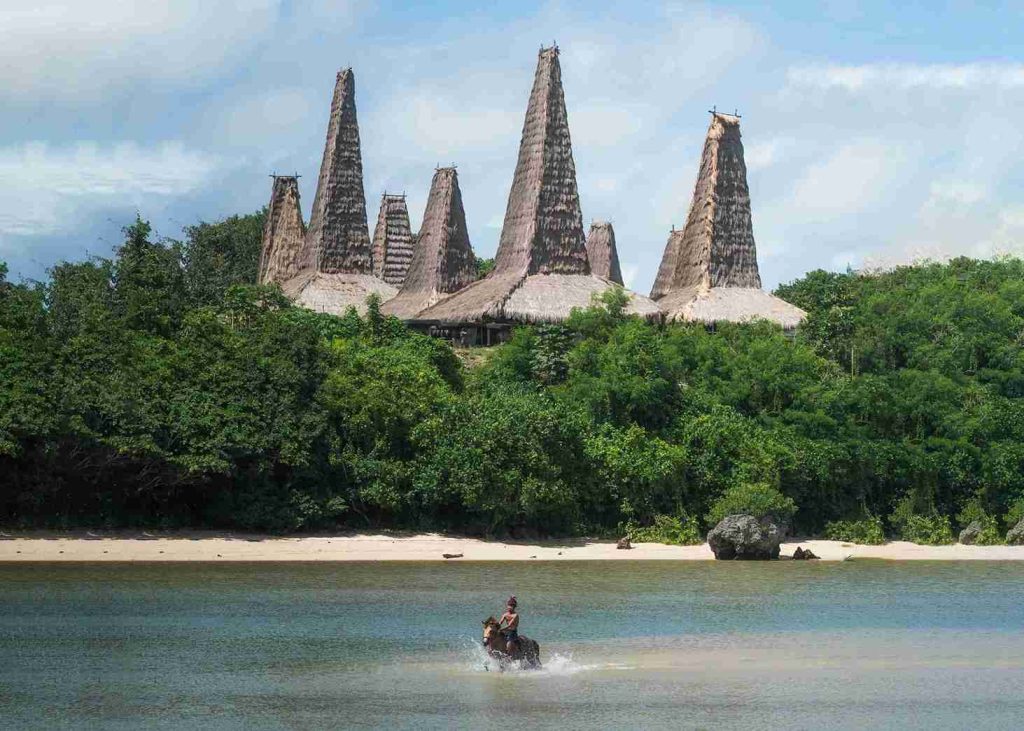
Sumba Island’s history in 2027 is a captivating journey through time, showcasing its unique blend of ancient traditions and cultural heritage that remain vibrant today.
Sumba History 2027
In 2027, the history of Sumba Island continues to enchant visitors with its rich cultural heritage and historical sites. Sumba’s history is marked by a distinctive combination of ancient rituals, traditional architecture, and a resilient spirit that has preserved its unique identity. The island’s history can be traced back to the Austronesian-speaking people who settled there thousands of years ago. Their legacy is evident in the island’s megalithic sites and the continued practice of ancestral rituals. The island’s strategic location in the Indonesian archipelago meant that it was a hub for trade and cultural exchange, further enriching its historical .
Historical Sites Sumba
One cannot explore Sumba Island without visiting its remarkable historical sites. In 2027, these sites are more accessible and engaging than ever, thanks to improved infrastructure and guided tour options. Key locations include:
- Waikabubak: Known for its ancient stone megaliths and traditional villages, Waikabubak serves as a cultural focal point. The village of Tarung, located within Waikabubak, is particularly famous for its rows of traditional houses and large stone tombs, which are believed to be over 500 years old. Visitors can witness the unique Marapu rituals, which are still practiced by the local community.
- Rende: Famous for its traditional houses and intricate carvings, Rende is a to Sumba’s architectural ingenuity. The houses here are characterized by their high thatched roofs and are often adorned with wooden carvings that depict ancestral spirits. Rende is also home to the royal family of East Sumba, adding a layer of historical significance to the site.
- Prailiu: Offers a glimpse into Sumba’s vibrant textile traditions with its impressive collection of ikat weavings. The village is renowned for its skilled artisans who use traditional methods to produce intricate patterns that tell stories of the island’s history and mythology. Visitors can observe the weaving process and purchase unique textiles directly from the artisans.
- Anakalang: Notable for its large megalithic tombs, often associated with the island’s ancient burial customs. The tombs in Anakalang are some of the largest in Sumba, with some stones weighing over 70 tons. These structures are not only burial sites but also serve as monuments to the island’s ancestors, reflecting the Marapu belief system that venerates the spirits of the dead.
Each of these sites tells a part of the story of Sumba’s past, providing visitors with a unique insight into the island’s cultural evolution. For those planning to explore these sites, our packing guide can be a helpful resource. This guide includes tips on what to bring, such as comfortable walking shoes, sun protection, and clothing suitable for visiting religious sites.
Heritage Travel Sumba
Heritage travel in Sumba offers an immersive experience into the island’s past. In 2027, initiatives have been implemented to preserve and promote Sumba’s cultural heritage. Visitors can participate in local festivals, such as the Pasola, a traditional war ritual held in February and March, which is both a sporting event and a religious ceremony. Witnessing traditional ceremonies like the Wulla Poddu, a month-long celebration of the Marapu religion, provides deeper insight into the island’s spiritual life.
Engaging with the community through workshops and guided tours offers a more personal connection to the island’s heritage. Workshops often include lessons in traditional weaving, cooking classes featuring local cuisine, and storytelling sessions with village elders. For a comprehensive exploration of Sumba’s history and culture, our main Sumba Island Tour page provides detailed itineraries and travel tips. These itineraries are designed to balance cultural exploration with relaxation, ensuring that visitors experience the full spectrum of what Sumba has to offer.
2027 Note
As of 2027, Sumba Island has embraced sustainable tourism practices aimed at preserving its cultural sites while enhancing visitor experience. Efforts have been made to improve infrastructure and accessibility without compromising the island’s natural beauty and cultural integrity. Roads leading to major sites have been upgraded, and new eco-friendly accommodations have been developed to cater to tourists who wish to minimize their environmental impact. Local communities have been involved in tourism planning to ensure that development benefits the island’s residents while protecting their cultural heritage.
FAQ
What historical aspects of Sumba Island can be explored in 2027?
In 2027, Sumba Island’s historical aspects include its ancient megalithic structures, traditional villages, and vibrant textile traditions, all of which provide insight into its rich cultural heritage. The island’s history is also reflected in its oral traditions, which are passed down through generations and offer narratives of ancestral journeys, mythical events, and the island’s interactions with other cultures.
How have Sumba’s historical sites been preserved?
Sumba’s historical sites have been preserved through community efforts and government initiatives focusing on sustainable tourism and heritage conservation. Local communities play a vital role in maintaining these sites, often forming cooperatives to manage visitor access and fund restoration projects. Additionally, partnerships with international cultural organisations have provided expertise and resources for conservation efforts.
What is unique about Sumba’s traditional architecture?
Sumba’s traditional architecture is unique due to its thatched roofs, elevated structures, and intricate carvings that reflect the island’s cultural beliefs and artistic expressions. The architecture is designed to withstand the island’s climate, with high-pitched roofs that allow for ventilation and protection from heavy rains. The use of locally sourced materials, such as bamboo and alang-alang grass, highlights the community’s sustainable building practices. The carvings often depict motifs from the Marapu religion, serving both decorative and spiritual purposes.
Keep reading
More from the journal.