8-Day Sumba Island Tour 8D7N: Full Island In Depth

Eight days is where Sumba stops being a checklist and becomes a journey. Our 8D7N Full Island tour runs one way — fly into Tambolaka (TMC), fly home from Waingapu (WGP) — covering the Kodi cliffs and lagoons, the Marosi and Nihi coastline, the Anakalang megaliths, and East Sumba’s savanna without a single backtracked kilometre. Most published Sumba itineraries stop at seven days; the eighth is what turns rushed photo stops into unhurried mornings. And as with every departure we operate, pricing stays transparent rather than hidden behind a quote form: the route builds on our 6D5N base from USD 570–1,020 per person, with the additional days charged at the private car and driver-guide rate from USD 60–90 per day — as of August 2026, subject to season and group size.

Why Go Beyond Seven Days?

The extra day is not padding. It is what allows a full sweep of the Kodi coast, a slow morning on the Wanokaka–Lamboya shoreline, and still leaves East Sumba the three days it genuinely deserves. Guests who compressed the island into five or six days tell us the same thing afterwards: the drives are beautiful but long, and the light — Wairinding at golden hour, Walakiri at low tide — rewards travellers who are not racing a schedule. If your leave is shorter, our 5-day Sumba tour and 6-day 6D5N itinerary cover the essentials in either half of the island. If you can stretch further, the 9-day Grand Expedition adds a free day for surf-watching, weaving workshops or resort leisure.

Loop vs One Way Route in Sumba: Which Is Smarter?

On an eight-day plan, one way wins. Both airports receive daily flights from Bali of roughly 1h15m, so a loop vs one way route in Sumba is really a question of whether you want to drive the same 130 kilometres twice. You do not. We land you in Tambolaka, move steadily west to east, and release you from Waingapu with no repeated roads and no wasted half-day repositioning. A loop only makes sense when flight schedules force you back to your arrival airport — something your advisor checks before we confirm anything. The route is coded SIT-8D7N-OW and graded easy to moderate: the only real exertion is the approach walks at Tanggedu and Lapopu, both manageable for any reasonably fit guest in proper shoes.

The Day-by-Day Itinerary

Your private guide — a Sumbanese driver-guide who grew up with the protocols this itinerary depends on — stays with you across the whole island.

Day 1: Tambolaka Arrival, Ratenggaro & Pero Sunset

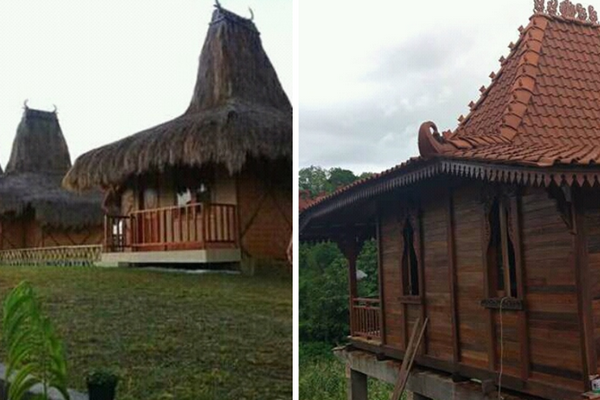
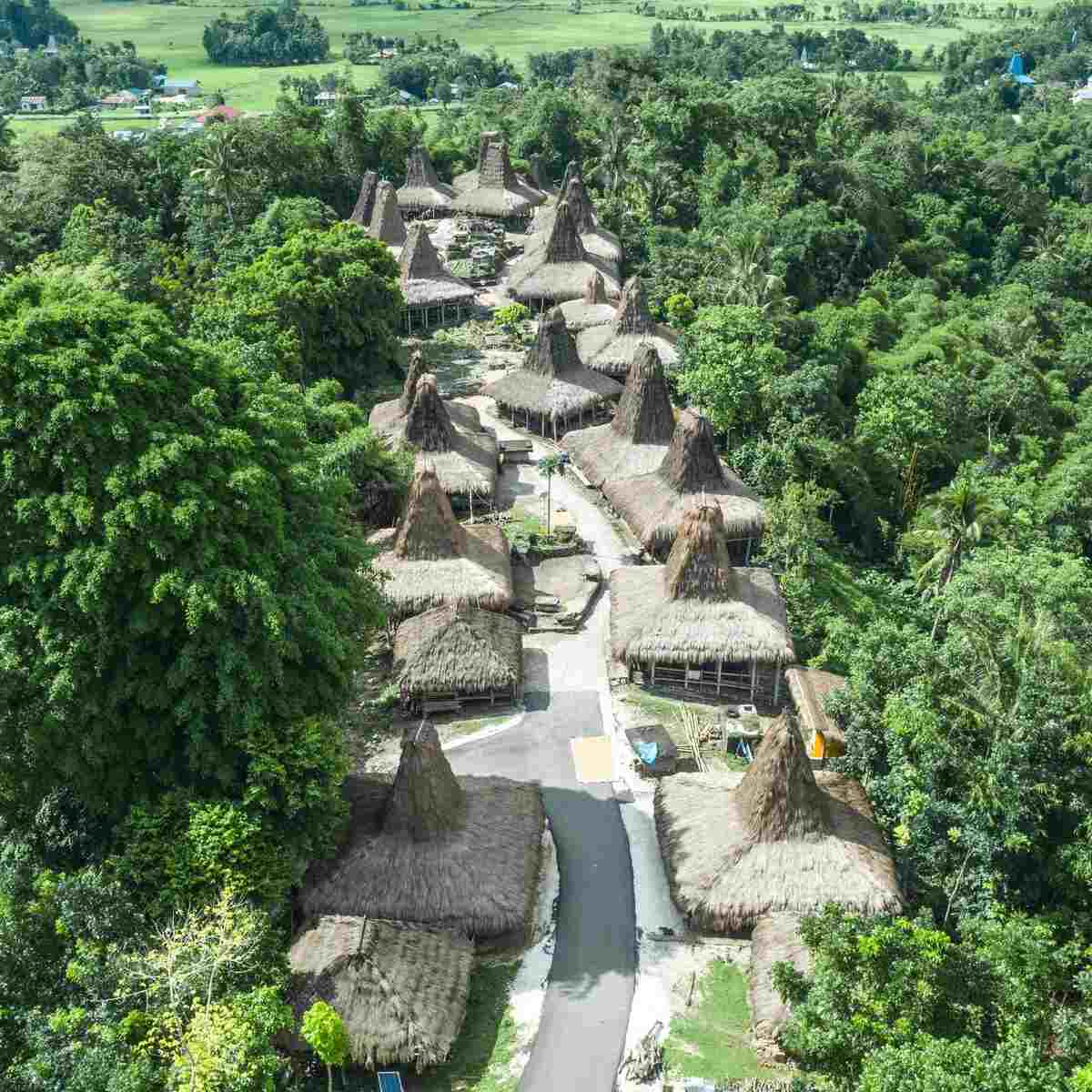
Your guide meets you at Tambolaka arrivals with cold water and betel nut for the village elders you will greet later — the small courtesies matter here. After check-in, drive into Kodi country to Ratenggaro, whose thatched roofs rise like masts above megalithic tombs facing the ocean. Your guide handles the greeting protocol and permission to photograph; you simply follow his lead. Sunset belongs to Pero, a working fishing village where outriggers come home through the surf. Overnight near Tambolaka.

Day 2: Weekuri Lagoon, Mandorak & the Bwanna Arch

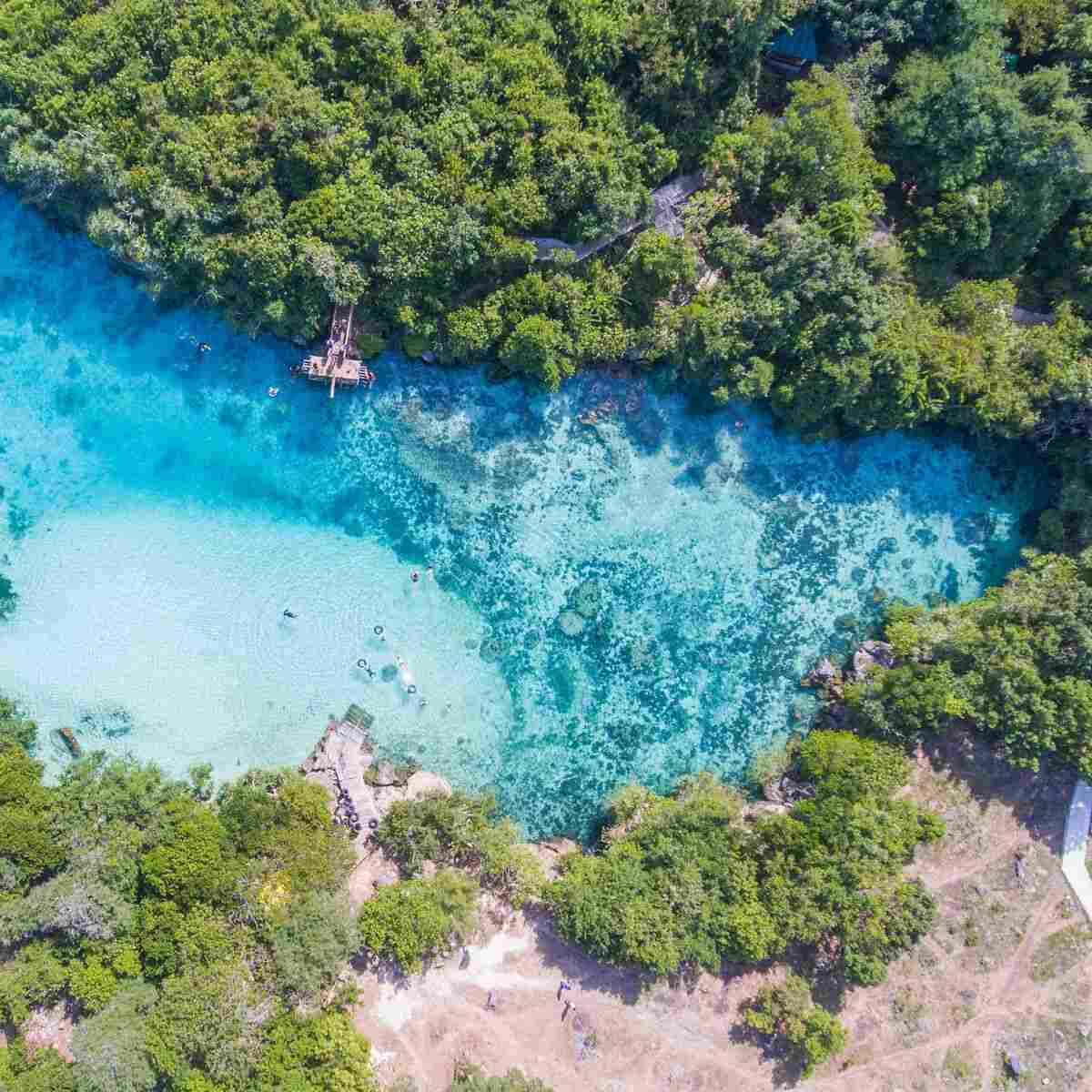
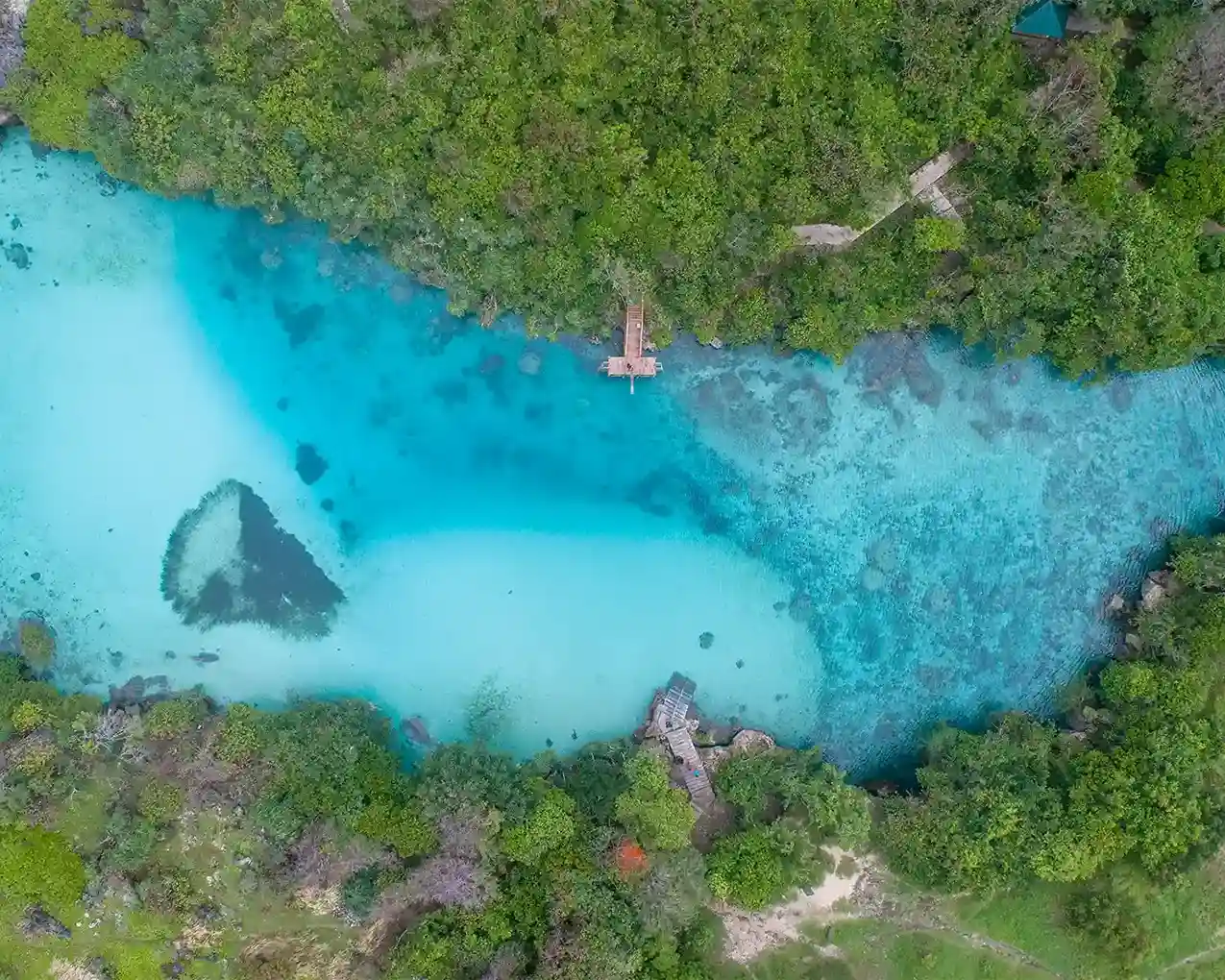
We reach Weekuri Lagoon (written Waikuri on some maps) in the morning, when the seawater pool that fills through porous rock is at its clearest and quietest. From there it is a short hop to Mandorak, where twin limestone cliffs frame a pocket of white sand, then south to Bwanna, a natural rock arch above the wild southern coastline — a short scramble, worth every step. Return to Tambolaka for the night with an early dinner; tomorrow heads down the coast.

Day 3: Marosi Beach & the Nihi Coastline

Today traces the Wanokaka and Lamboya coast to Marosi Beach, a long arc of sand that most short itineraries never reach. Guests often ask about Nihi Sumba day trip possibilities: the resort itself is reserved for house guests, with nightly rates typically from around USD 1,000+, but the shoreline that made it famous is open country — we position you at viewpoints along the same coast, and surfers can watch the region’s celebrated waves from the beach. Overnight in Waikabubak.

Day 4: Lapopu Waterfall & Praijing Village

Morning at Lapopu, a multi-tiered cascade inside Manupeu Tanah Daru National Park, reached by an easy escorted walk. In the afternoon, climb to Praijing (Prai Ijing), the hilltop village above Waikabubak that entered 2026 carrying fresh ASEAN tourism recognition — arrive after the day-trip window and you will often have its stone terraces nearly to yourself. Second night in Waikabubak.

Day 5: Anakalang Megaliths & Wairinding Sunset

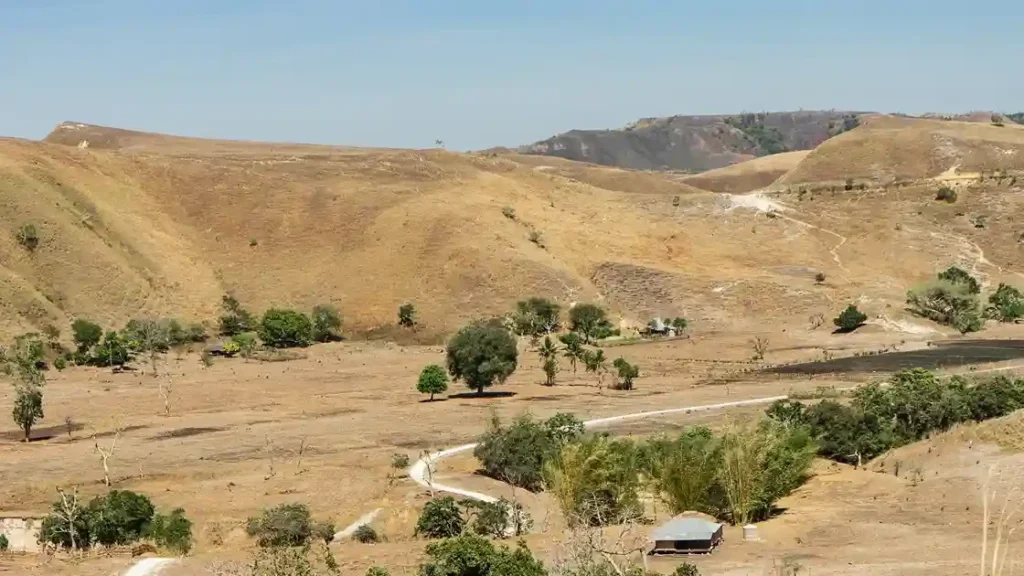
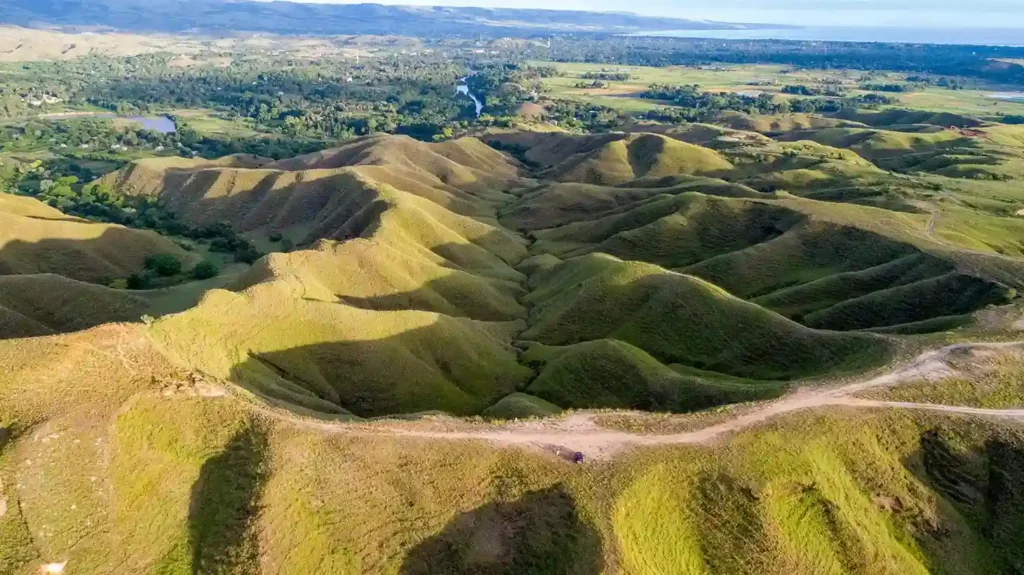
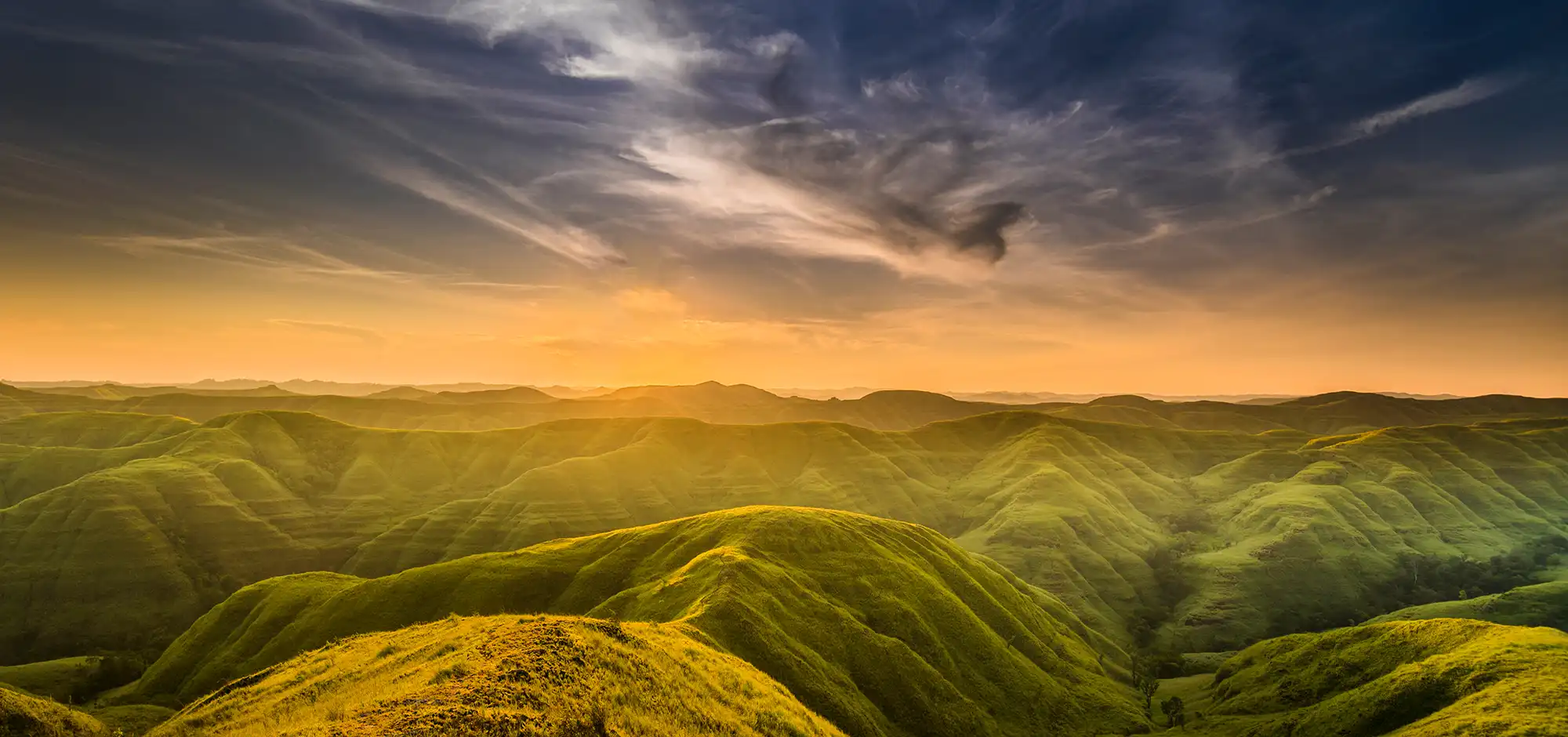
The Anakalang complex holds some of the largest carved slab tombs on the island, right along the central road — your guide explains how stone-pulling ceremonies still create new ones. Then comes the great transition drive east, watching forest give way to open grassland. We time arrival for golden hour at Wairinding, where the hills fold into velvet ridgelines. Overnight in Waingapu.

Day 6: Tanggedu Canyon Trek & Walakiri Dancing Trees

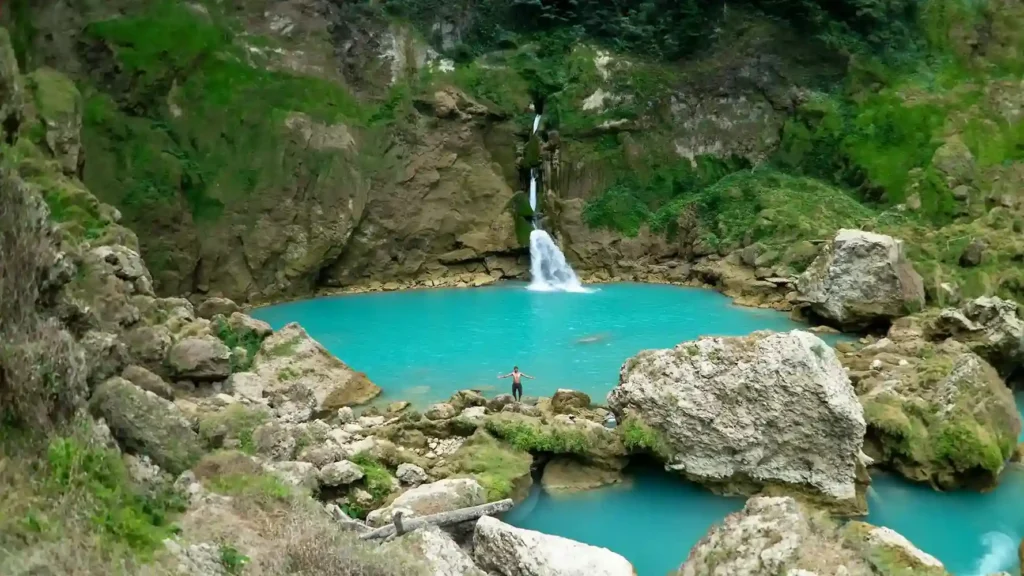
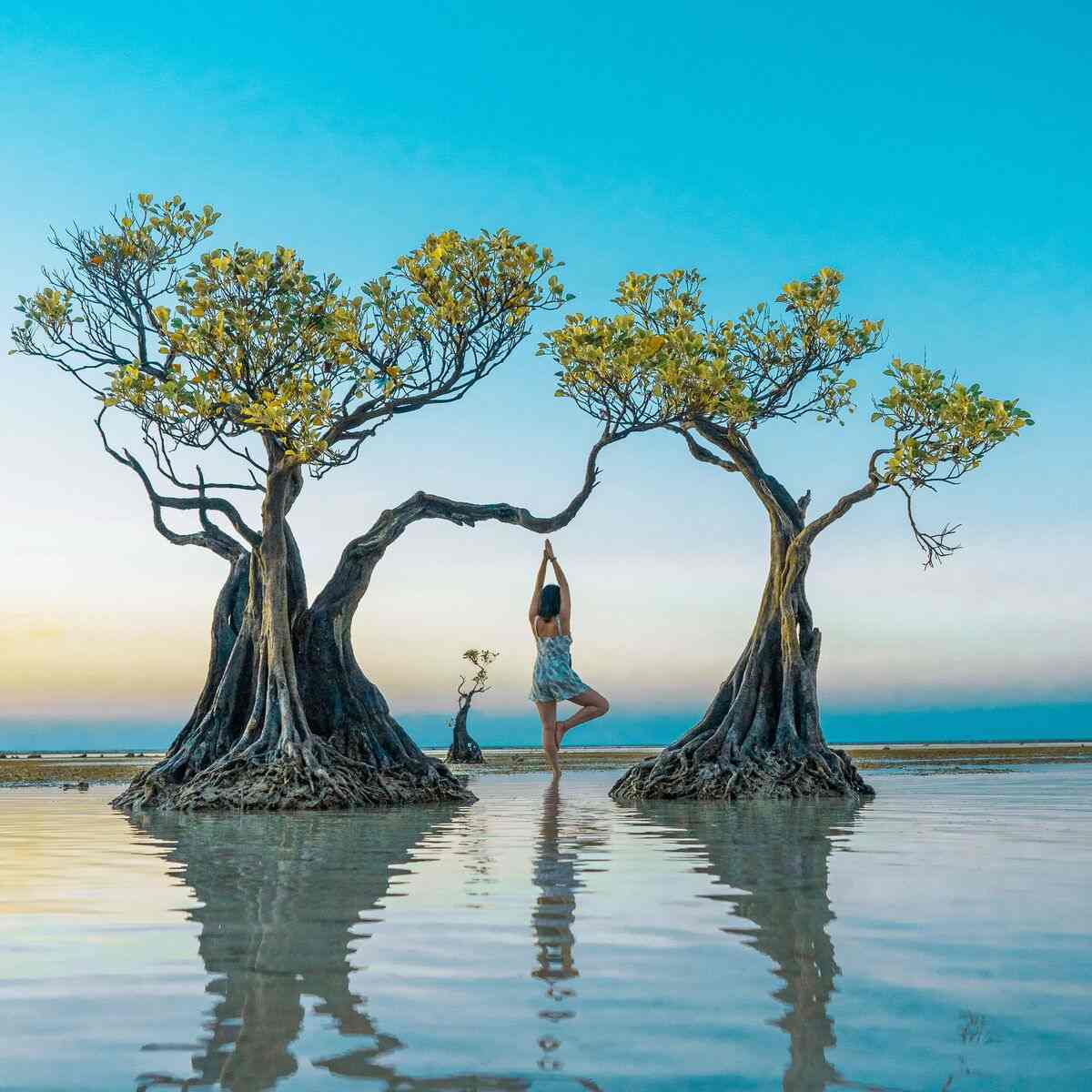
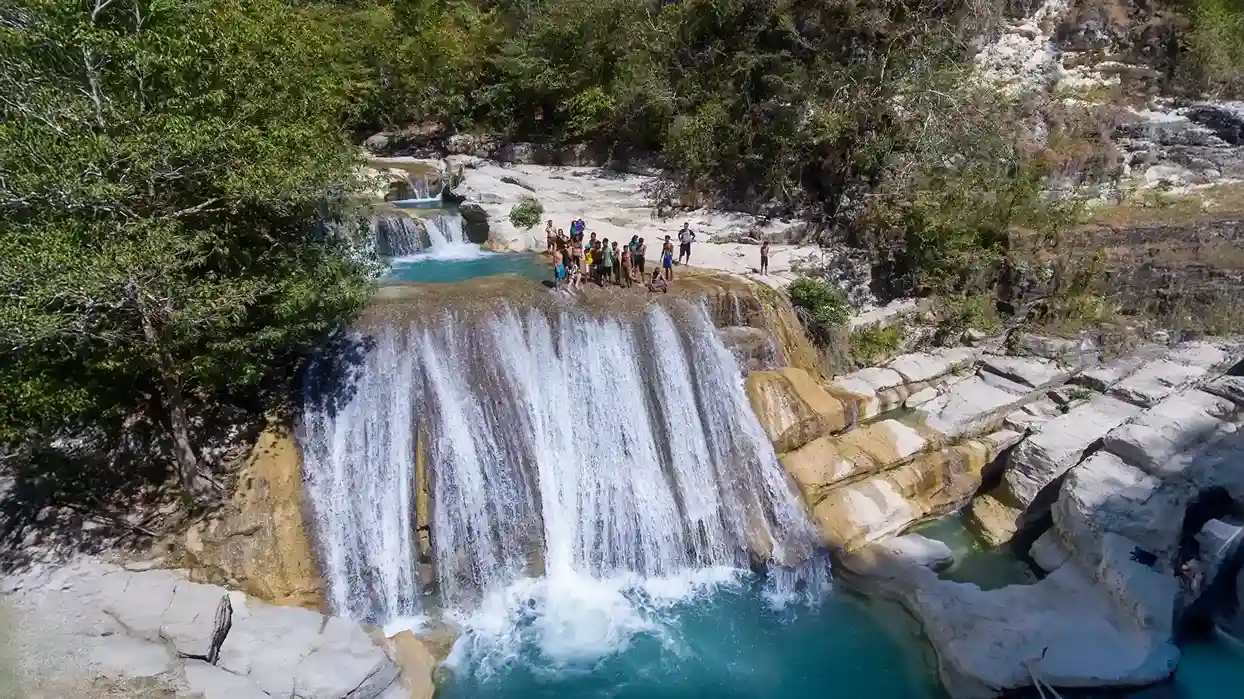
An active morning: the trek into Tanggedu, often called the Grand Canyon of Sumba, where terraced turquoise pools cut through sculpted rock. Sturdy shoes and a swim are both recommended. After a rest at your hotel, we reach Walakiri Beach for low tide, when the sunset silhouettes its famous dancing mangrove trees — your guide knows the tide table and positions you before the crowd forms. Overnight in Waingapu.

Day 7: Watuparunu Sunrise & Puru Kambera Savanna

A pre-dawn start earns you sunrise at Watuparunu on the southeast coast, where a limestone arch stands over white cliffs and empty sand. Return to Waingapu for a long lunch and rest, then spend the late afternoon at Puru Kambera, the coastal savanna where wild horses graze toward the sea in the day’s softest light. Final night in Waingapu.

Day 8: Waingapu Ikat Morning & Departure

Depending on your flight, the morning visits Prailiu, the ikat weaving hamlet on Waingapu’s edge, where you can buy hand-dyed cloth directly from the women who made it. Then a short transfer to Waingapu airport for your onward flight to Bali. No backtracking, no repeated roads — the whole island, at a humane pace.

What Does an 8-Day Sumba Tour Cost?

We publish our numbers, which remains rare in this market. The 8D7N is quoted per group from two transparent building blocks: our 6D5N Sumba package from USD 570–1,020 per person (varies by group size and hotel tier) plus the extended days at the private car and driver-guide rate from USD 60–90 per day, with accommodation added at cost — as of August 2026, subject to season. Flights are booked separately; Bali–Tambolaka and Bali–Waingapu both operate daily at about 1h15m, and your advisor will confirm current schedules before you commit. To compare every duration side by side, from 3D2N upward, see our Sumba island tour packages overview.

Glamping vs Homestay in Sumba: Where Should You Sleep?

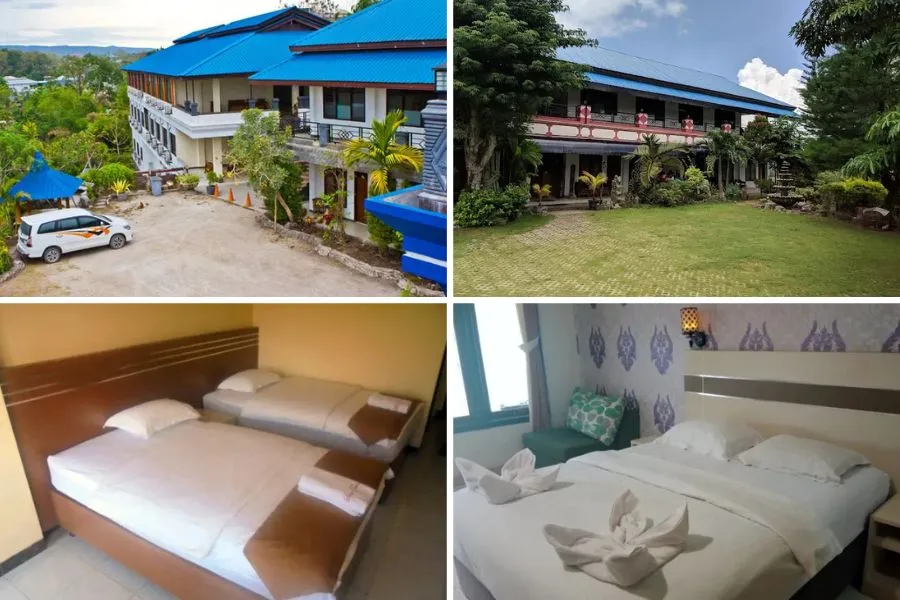
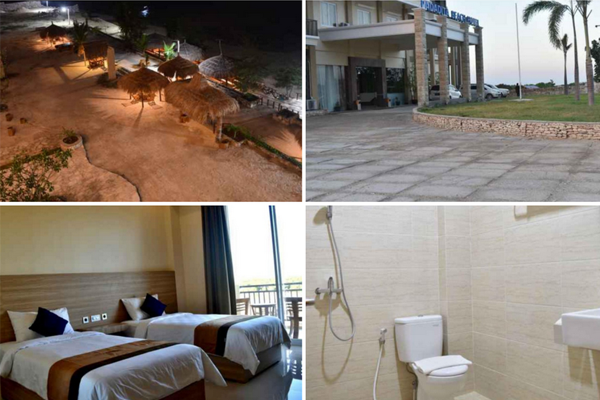
The standard 8D7N uses the best available boutique hotels in Tambolaka, Waikabubak and Waingapu — clean, air-conditioned, quietly comfortable. Guests weighing glamping vs homestay in Sumba can adjust either direction: a night in a village homestay near Ratenggaro is simple (mattress, fan, shared bathroom) and unforgettable, while safari-tent glamping near the western beaches adds comfort without losing the setting. Sumba hotels with infinity pool cluster in the premium-boutique tier — Lelewatu and Cap Karoso — with Nihi Sumba above them from around USD 1,000+ per night; we arrange any of these as an upgrade on the same route.

Is Sumba Safe at Night?

Yes — Sumba is one of Indonesia’s calmer islands, and guests consistently describe villages as warm rather than wary. The practical caveats are rural: roads are unlit after dark and livestock wanders freely, so we never schedule long night drives. Note also that there is no Gojek or Grab availability in Sumba — ride-hailing has not reached the island — which is precisely why your driver-guide stays on call for evening dinner runs in Waingapu or Tambolaka. Solo travellers walking the Waingapu waterfront after dinner report no trouble; ordinary common sense applies, as anywhere.

When Should You Go — and What About November?

May through October is the dry season: golden savanna, reliable roads, peak clarity at Weekuri. July and August book out earliest. Guests researching Sumba in November first rains usually fear a washout; the reality is gentler, with a quiet payoff few travellers know about: within weeks the hills at Wairinding flush green, waterfalls regain their volume, and showers usually pass in an afternoon hour. We simply resequence your days around the weather. Photographers who want the emerald version of Sumba often choose this window deliberately.

How Does Sumba Fit a Wider Indonesia Route?

Is Sumba for first time Indonesia visitors, or something to save for a return trip? Emphatically the former: Sumba is the counterpoint that makes a first itinerary make sense — combining Sumba and Bali in one trip is effortless with daily flights, and eight days here balances a week of Bali’s comfort with something rawer and older, so you fly home having seen two Indonesias rather than one. Travellers also put the classic planning question to us: Sumba vs Raja Ampat which first? They are different trips entirely — Raja Ampat is a marine world best suited to divers with generous time; Sumba is an overland culture-and-landscape journey one short flight from Bali, so it fits first and fits easier. The ambitious build an Indonesia eastern islands loop with Sumba as the opening act — Bali to Sumba to Flores and Komodo by air — which our network coordinates end to end.

Travel That Gives Something Back

Village entrance donations on this route go directly to the elders who receive you, and your ikat purchases at Prailiu and Ratenggaro go straight to the weavers — meaningful now that Sumba motifs in fashion have reached international runways while the makers still earn village prices. Guests who want to go further can ask us about CSR projects with Sumba communities along the route, from school supplies to clean-water support; we arrange visits only with elders’ consent, as guests rather than spectators.

What Is Included in the 8D7N?

  • Private air-conditioned car with fuel, and a Sumbanese English-speaking driver-guide for all 8 days
  • 7 nights accommodation (boutique hotel base; homestay, glamping or resort upgrades on request)
  • Daily breakfast and drinking water on the road
  • All entrance fees plus customary village donations and betel nut, handled by your guide
  • Airport transfers at Tambolaka and Waingapu

Not included: flights, lunches and dinners (your guide knows the honest local tables), and personal expenses. Tour code SIT-8D7N-OW; difficulty easy to moderate; runs year-round.

Ready to See the Whole Island?

This route is operated with Indonesia Juara Trip — high-end local Sumba expertise, the team behind our mirror packages across every duration. We show you the real Sumba, and we put our prices where our confidence is. Speak to our Sumba travel advisor on WhatsApp +62 811-994-1919 or email sales@indonesiajuara.asia with your dates and group size, and you will have a line-item quote — not a vague form reply — within the day. Part of Juara Holding Group — since 2015.