Sumba Journal
Where to Stay in Sumba: Area-by-Area Guide 2027
8 min read
The short answer for 2027: split your Sumba stay between two bases — Tambolaka in the west and Waingapu in the east — then add one or two nights at a coastal resort if your budget stretches to it. Sumba is a big island with slow rural roads, and its two airport towns sit roughly four hours’ drive apart. Base yourself in only one of them and half the island slips out of comfortable day-trip range; use both, flying into Tambolaka and out of Waingapu, and every headline sight fits without backtracking.
This is the area-by-area breakdown our Sumba-born driver-guides use when planning private itineraries for guests, built from the hotels we actually book and check room by room each season — not a list scraped from a map.
Sumba Accommodation at a Glance
| Area | Best for | Stays we book for guests |
|---|---|---|
| Tambolaka (west) | Kodi coast: Weekuri, Mandorak, Ratenggaro, Pero | Sinar Tambolaka, Maringi Eco Resort, Newa Sumba Resort |
| Waikabubak (inland west) | Praijing, Anakalang, breaking the cross-island drive | Hotel Manandang |
| Waingapu (east) | Walakiri, Wairinding, Tanggedu, Puru Kambera | Padadita Beach Hotel, Tanto Hotel, Morinda Villa |
| West coast resorts | Barefoot luxury, surf, spa | Nihi Sumba, Lelewatu, Cap Karoso |
| Kodi & south coast | Off-grid beach houses, surf stays | Simple solar-powered stays, arranged on request |
Where Should You Stay in Tambolaka and West Sumba?
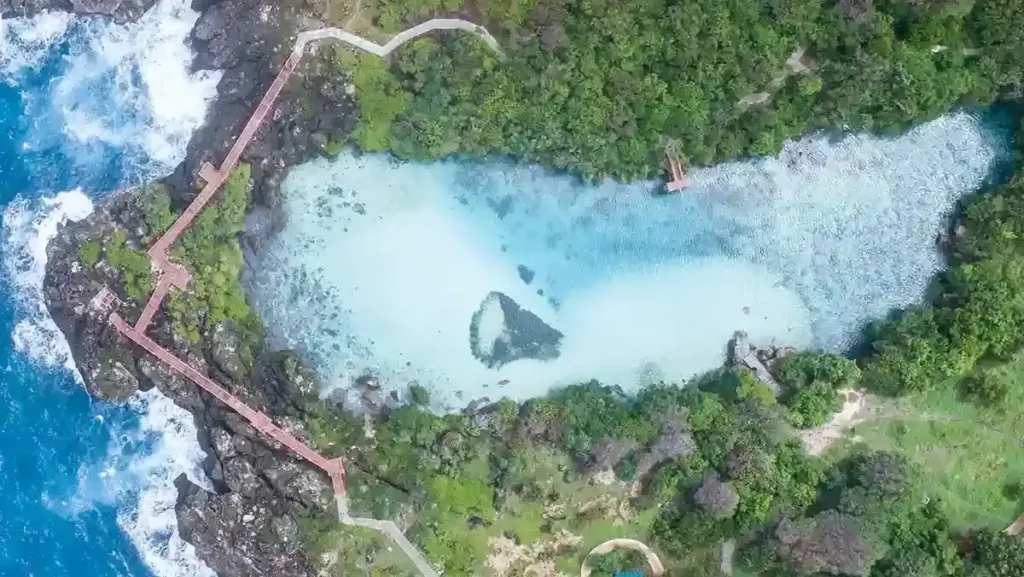
Tambolaka is where most guests land: daily flights from Bali reach Tambolaka (TMC) in about 1 hour 15 minutes. Stay here when your priority is the southwest — Weekuri Lagoon, Mandorak Beach, the towering roofs of Ratenggaro and sunset at Pero.
Guests asking where to stay in Tambolaka usually choose between three styles. In town, Sinar Tambolaka Hotel is the dependable pick, with air-conditioned rooms and restaurants and ATMs within walking distance. Fifteen minutes away, Maringi Eco Resort — run by the Sumba Hospitality Foundation — offers bamboo villas around a permaculture garden, staffed by local students training for hospitality careers; it is the stay we suggest when guests want their money working hardest for the island. Near Waikelo harbour, Newa Sumba Resort adds a quieter beachfront alternative.
Is Waikabubak Worth a Night?
Often, yes. This hill town sits noticeably cooler than the coast and puts you ten minutes from Praijing — the traditional village that entered 2026 carrying an ASEAN tourism award — and within easy reach of the Anakalang megalith complex. Hotel Manandang is the long-standing local choice: simple, clean and central. One night here breaks the west-to-east drive neatly, and if your date lines up with a market morning, your private guide will walk you through stalls where ikat cloth and betel nut still change hands the old way.
Where to Stay in Waingapu and East Sumba?
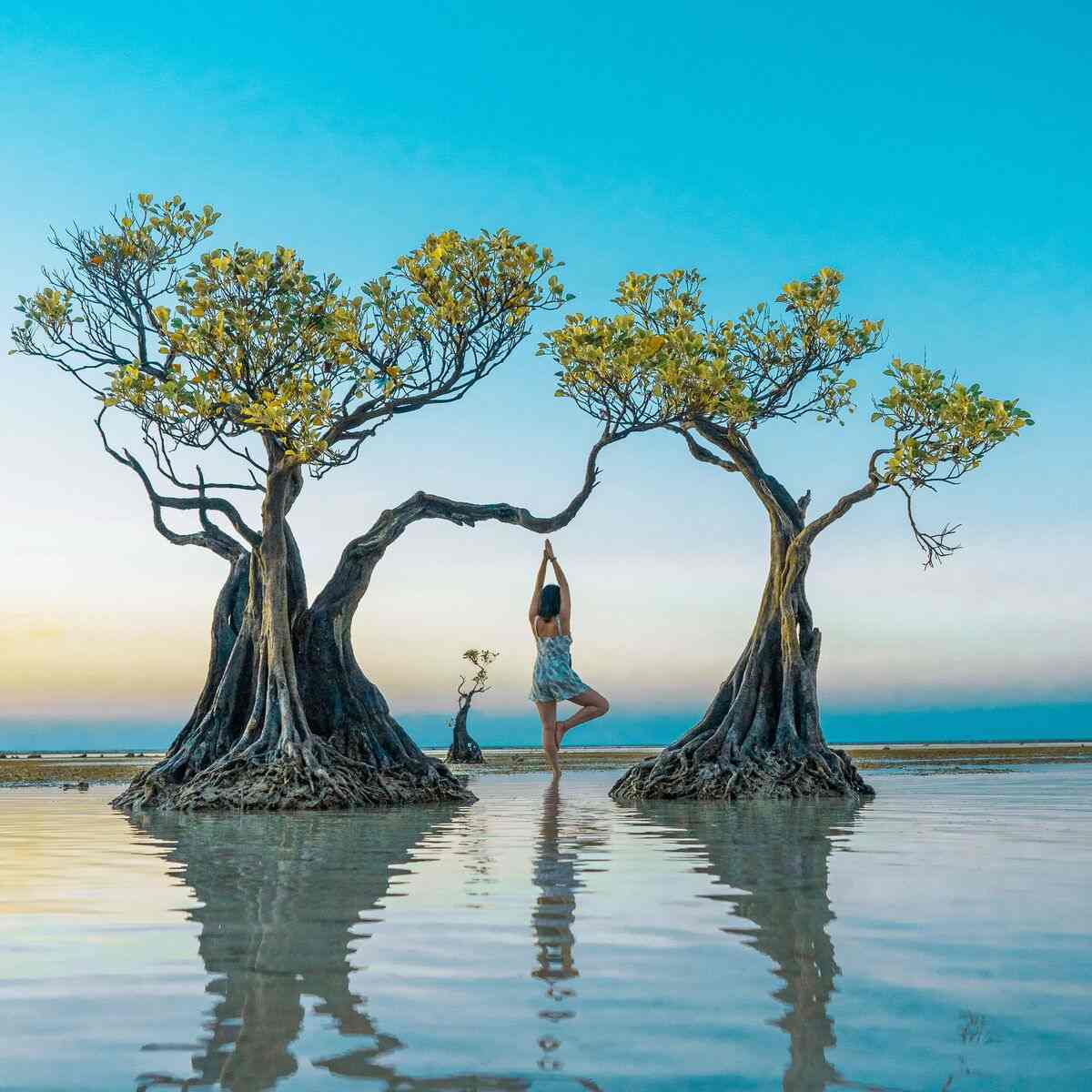
The best area to stay in East Sumba is Waingapu itself. The east’s landscapes spread wide, and no other base keeps them all within day-trip reach: Walakiri’s dancing mangroves about 30 minutes out, the savanna folds of Wairinding around 40 minutes, the wild-horse country of Puru Kambera under an hour, and the Tanggedu canyon roughly two hours north-west.
For where to stay in Waingapu, we book three properties depending on style: Padadita Beach Hotel for sea-view rooms on the edge of town, Tanto Hotel for a central, business-style stay near the night warungs, and Morinda Villa for garden bungalows and one of the town’s better kitchens. All three handle pre-dawn departures without fuss — useful, because Wairinding at first light is worth the alarm.
Which Coastal Resort Suits You: Nihi, Lelewatu or Cap Karoso?
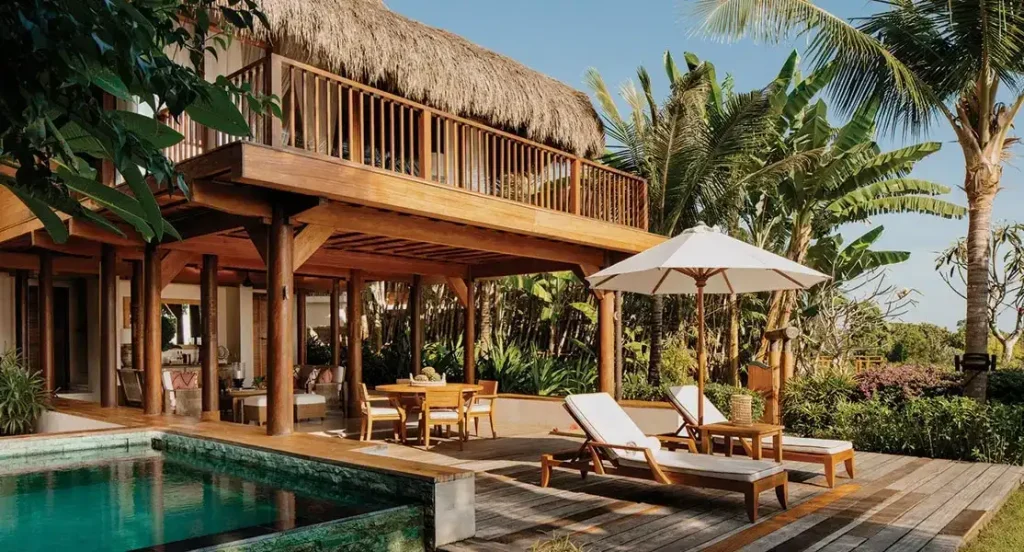
Sumba’s resort coast is short but world-famous. Nihi Sumba, on the Wanokaka coastline, remains the benchmark — nightly rates typically start from around USD 1,000+ per night (resort-published, seasonal), for which you get the private surf break, horses on the beach and a spa reached on foot through rice terraces. A Nihi Sumba stay and explore combination is one of our most requested plans: two resort nights joined to a private overland tour, so you meet the island’s villages and savanna, not only the resort’s edge of it.
Lelewatu, on a headland above the same Wanokaka coast, is the private-pool-villa alternative in the premium-boutique tier, quieter and honeymoon-leaning. Cap Karoso, at the island’s far western tip near Pero, brings a design-led, farm-to-table character to that same tier and is the natural resort pairing for the Kodi sights. Our advisors hold no resort allegiance; we match the property to how you actually travel.
What About Off-Grid Stays in Sumba?
Off grid stays in Sumba mean exactly that. The Kodi and south coasts hold a scattering of simple beach houses and surf stays where electricity runs on solar and evenings run on starlight, and a few families around Ratenggaro host guests in traditional peaked houses. We arrange these only for guests who understand the trade: firm mattresses and bucket showers in exchange for waking on a beach you share with fishermen and nobody else. Tell your advisor honestly how you sleep, and we will match the right nights to the right places.
Can You Eat Vegetarian, Vegan, Gluten-Free or Kosher in Sumba?
Vegetarian food options in Sumba are easier than most guests expect — tofu, tempeh and stir-fried greens are everyday staples, and every kitchen we work with can build meat-free meals given a day’s notice. Vegan options in Sumba resorts are strongest at Cap Karoso and Maringi, both of which grow their own produce; town hotels manage with simpler rice-and-vegetable plates. Gluten free options in Sumba benefit from a rice-based cuisine, though ask your guide to flag kecap manis, the sweet soy sauce that hides wheat. Kosher options in Sumba deserve honesty: no certified kosher kitchen exists on the island, so observant guests usually combine vegetarian cooking with some self-catering. Brief us before you fly and our driver-guides will speak with every kitchen ahead of your arrival.
Practical Notes: Accessibility, Cash and Getting Around
Accessible travel options in Sumba need honest framing too: village lanes are stone-paved and uneven, several viewpoints involve stairs, and pavements are rare. What works is a private car with your own driver-guide, ground-floor rooms — most town hotels have them — and a route weighted toward gentler sights such as Walakiri’s flat sand, the roadside savanna at Puru Kambera and Ratenggaro seen from its beachside approach. We have planned comfortable routes for guests in their eighties; tell us what you need and we design around it.
Currency exchange options in Sumba are minimal, so change money in Bali before flying, or withdraw rupiah from BNI, BRI or Mandiri ATMs in Tambolaka, Waikabubak and Waingapu. Resorts take cards; villages, warungs and entrance donations run on cash.
How to Pair Your Stay with a Tour
Hotels solve the nights; the island still asks for a plan by day. For Sumba mid range tour options, transparent pricing is our line in the sand: 3D2N private tours from around USD 300-550 per person, the classic 4-day, 3-night overland from USD 390-700 per person, and the full 6D5N crossing from USD 570-1,020 per person — all as of August 2026, subject to season and group size. Prefer full independence? A private car with an English-speaking driver-guide runs from about USD 60-90 per day, hotels booked around it.
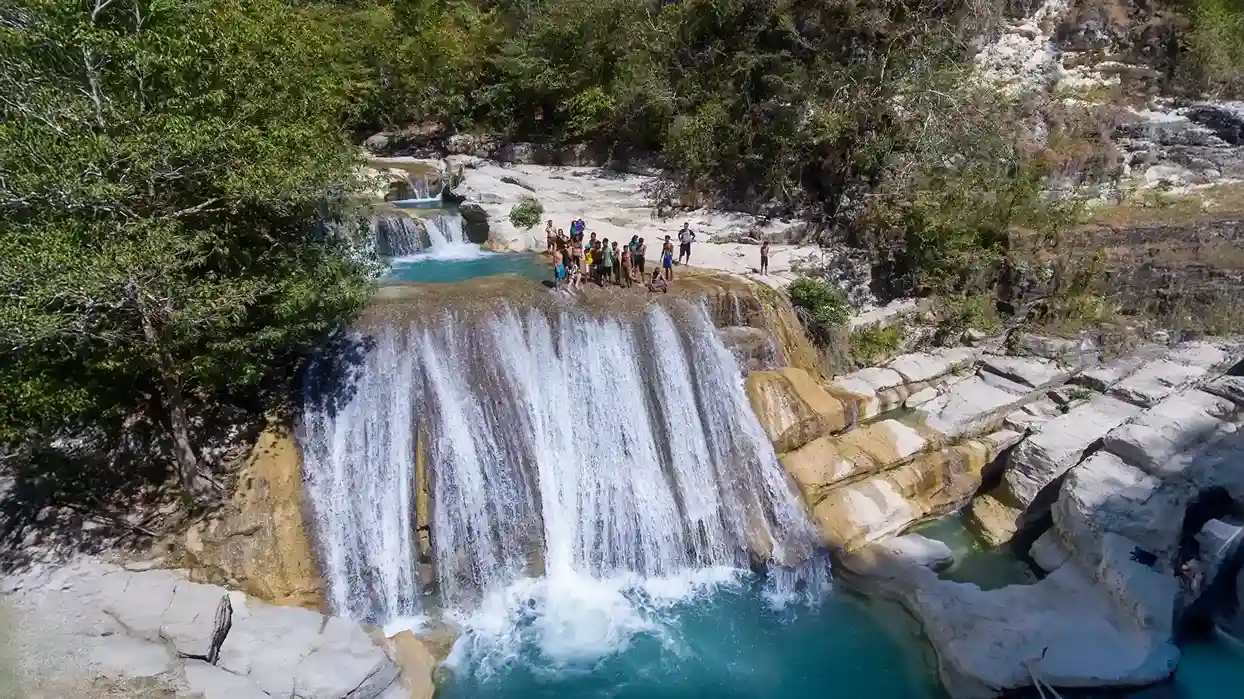
Your base then shapes your days. From Waingapu, our Sumba Waterfall Tour reaches Waimarang’s emerald plunge pool and the Tanggedu canyon; from either coast, the Sumba Beach Tour strings Walakiri, Marosi and Mandorak into one golden-hour ladder.
Plan Your 2027 Sumba Stay
Tell us your travel month, your budget tier and how you like to sleep, and we will map areas, hotels and routes onto one clean itinerary. Speak to our Sumba travel advisor on WhatsApp at +62 811-994-1919 or email sales@indonesiajuara.asia. Sumba Island Tour is operated with Indonesia Juara Trip — high-end local Sumba expertise, part of Juara Holding Group — since 2015.
Keep reading
More from the journal.