Travel Journal
The Rise of Eco-Conscious Travel on Sumba Island
5 min read
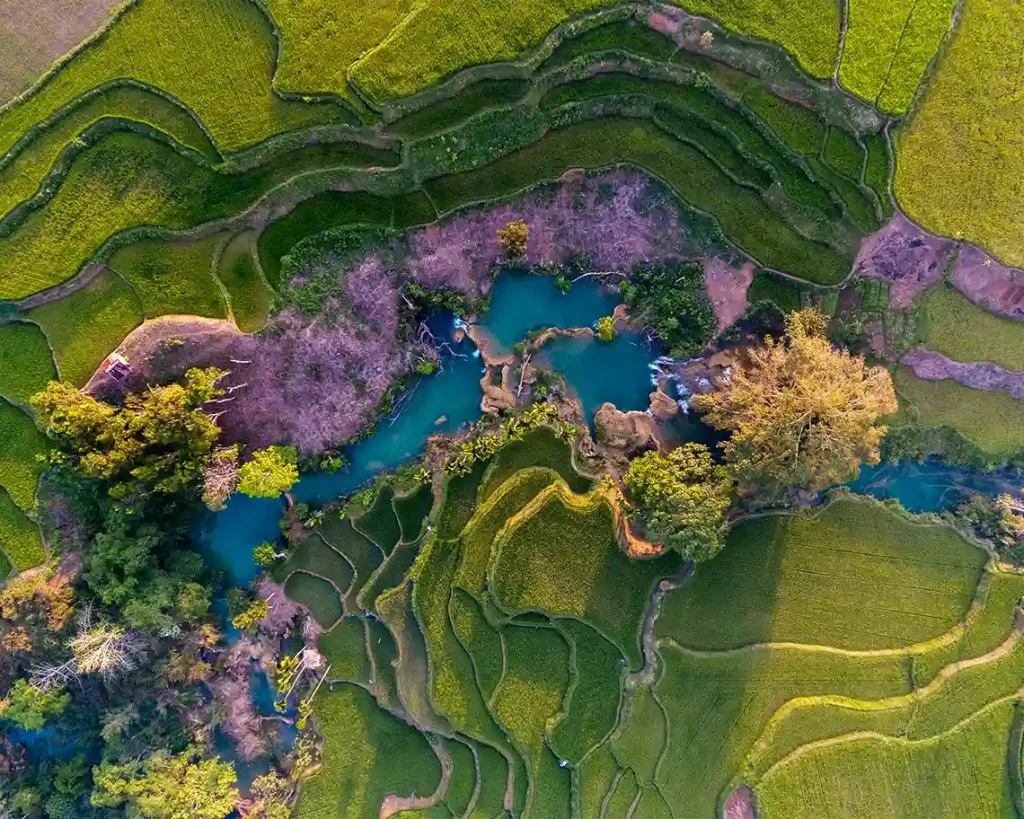
Sumba eco travel is transforming the island into a beacon of sustainable tourism, promoting conservation and community involvement. Travellers are increasingly choosing eco-friendly experiences that respect the island’s unique culture and environment.
Sumba Eco Travel: A Growing Trend
With the global shift towards more sustainable lifestyles, Sumba Island is emerging as a key player in eco-conscious tourism. Sumba eco travel not only preserves the island’s pristine natural beauty but also supports its cultural heritage and local communities. The island, located in Indonesia’s East Nusa Tenggara province, is home to diverse ecosystems ranging from lush forests to savannahs, which eco-travel initiatives aim to protect.
Travellers interested in eco-friendly travel to Sumba can explore the Waingapu and Waikabubak regions, known for their rich traditions and scenic landscapes. The island’s eco-tourism sector focuses on minimising environmental impact by promoting low-footprint activities such as cycling tours and guided nature walks. The dry season, from May to October, is the best time to visit, offering clear skies and pleasant temperatures for outdoor exploration.
Sustainable Travel Sumba: A Holistic Approach
Sustainable travel in Sumba is about more than just reducing carbon footprints. It involves engaging with local communities, respecting cultural traditions, and actively participating in conservation efforts. Visitors are encouraged to stay in eco-friendly accommodations, many of which are constructed using locally sourced materials and traditional methods. These lodgings often utilise solar panels and rainwater harvesting systems to reduce their environmental impact.
Participating in community-led tours is a key aspect of sustainable travel on the island. These tours often include visits to traditional villages, where travellers can observe and partake in local customs such as ikat weaving and ceremonial dances. Supporting local artisans and farmers is also encouraged, with many tours ending at local markets where visitors can purchase handmade crafts and organic produce.
Green Tourism Sumba: Initiatives and Impact
Green tourism initiatives on Sumba include the promotion of local materials and traditional building techniques in accommodations, the use of renewable energy sources, and the encouragement of waste reduction practices. These efforts not only reduce environmental impact but also boost the local economy by creating jobs and promoting cultural exchange.
For example, several eco-lodges on the island have adopted permaculture practices, integrating food production with the natural environment to create sustainable food systems. The use of bamboo and other sustainable materials in building construction is also prevalent, reducing the carbon footprint associated with traditional construction methods.
Waste reduction is another focus, with initiatives promoting recycling and composting. Many accommodations have introduced policies to eliminate single-use plastics, providing guests with reusable alternatives. These efforts contribute to the overall goal of maintaining Sumba’s natural beauty for future generations.
Community Involvement in Eco-Conscious Travel
- Local Employment: Eco-tourism projects hire local guides and staff, providing job opportunities for residents and ensuring that the benefits of tourism are distributed within the community.
- Cultural Preservation: Tours include traditional dances and crafts, offering insights into Sumba’s unique heritage. Visitors can learn about the island’s megalithic culture and its significance in present-day rituals.
- Conservation Education: Programs teach both locals and tourists about environmental protection. Workshops and seminars are held regularly, focusing on topics such as marine conservation and sustainable agriculture.
Community involvement is a cornerstone of Sumba’s eco-friendly initiatives. By fostering a sense of ownership and pride, these efforts ensure long-term sustainability. Local communities are actively involved in the planning and implementation of eco-tourism projects, ensuring that their needs and perspectives are considered.
2027 Note: The Future of Sumba Eco Travel
As of 2027, Sumba Island continues to enhance its eco-conscious offerings. With increasing international awareness and support, the island is poised to become a model for sustainable tourism in Indonesia. Projects aimed at reforestation and biodiversity conservation are underway, with support from both governmental and non-governmental organisations.
Travellers are encouraged to consult our Sumba Island Tour Packing Guide for tips on how to travel sustainably and enjoyably. This guide offers practical advice on choosing eco-friendly products, minimising waste, and respecting local customs during your visit.
FAQ
How is Sumba Island supporting eco-conscious travel?
Sumba Island supports eco-conscious travel through community-led conservation initiatives, eco-friendly accommodations, and cultural preservation programs. Efforts include sustainable farming practices, waste management initiatives, and the integration of renewable energy in tourism infrastructure.
What activities are available for eco-tourists on Sumba?
Eco-tourists can engage in activities such as guided hikes, traditional craft workshops, and wildlife conservation programs. These activities are designed to provide an immersive cultural experience while minimising environmental impact. Birdwatching tours in the island’s forests offer a chance to see endemic species, while marine conservation programs allow visitors to contribute to coral reef restoration.
How can I plan a sustainable trip to Sumba?
Planning a sustainable trip to Sumba involves choosing eco-friendly accommodations, supporting local businesses, and participating in cultural and conservation activities. For more tips, visit our main page. Consider using public transport or renting bicycles to reduce your carbon footprint, and look for tours that prioritise environmental education and community engagement.
Keep reading
More from the journal.