Travel Journal
Exploring the Untouched Beaches of Sumba in 2027
5 min read
The untouched beaches of Sumba in 2027 offer a serene escape from the modern world, with pristine sands and clear waters that remain remarkably unspoiled by human activity. This remarkable preservation of natural beauty allows visitors to experience a slice of paradise that feels worlds away from the hustle of everyday life.
Sumba Beaches 2027: A Coastal Paradise
In 2027, Sumba Island continues to stand as an idyllic haven for those seeking tranquil beach escapes. The island’s beaches are renowned for their natural beauty, providing visitors with an authentic experience far from the tourist crowds. Sumba’s coastline spans approximately 300 kilometres, with its beaches offering a diverse range of landscapes. From the rugged cliffs of the western coast to the serene sandy stretches in the south, Sumba is an ideal destination for beach travel enthusiasts who crave both adventure and relaxation.
The island’s beaches are characterised by their diverse ecosystems and unique geological formations. For example, the cliffs around Tarimbang Beach are composed of limestone, providing a dramatic backdrop to the vibrant coral reefs below. These natural features not only enhance the visual appeal of the beaches but also support a variety of marine life, making them popular spots for snorkelling and diving.
Hidden Beaches of Sumba
Sumba is home to several hidden beaches that remain largely untouched by mass tourism, offering a rare opportunity to enjoy solitude in stunning natural settings. These hidden beaches are perfect for those looking to escape the hustle and bustle of more popular destinations, providing a sense of peace and tranquillity that is increasingly rare in today’s world. Each hidden beach on Sumba offers something unique:
- Tarimbang Beach: Known for its striking cliffs and vibrant coral reefs, this beach offers excellent opportunities for snorkelling. The beach is approximately 1.5 kilometres long, and its remote location ensures that it remains a peaceful spot for visitors who make the journey.
- Mbawana Beach: Featuring dramatic rock formations and a natural rock arch, it’s a photographer’s paradise. The beach is especially popular during the golden hour, when the sunlight casts stunning hues over the rock arch, creating perfect photographic opportunities.
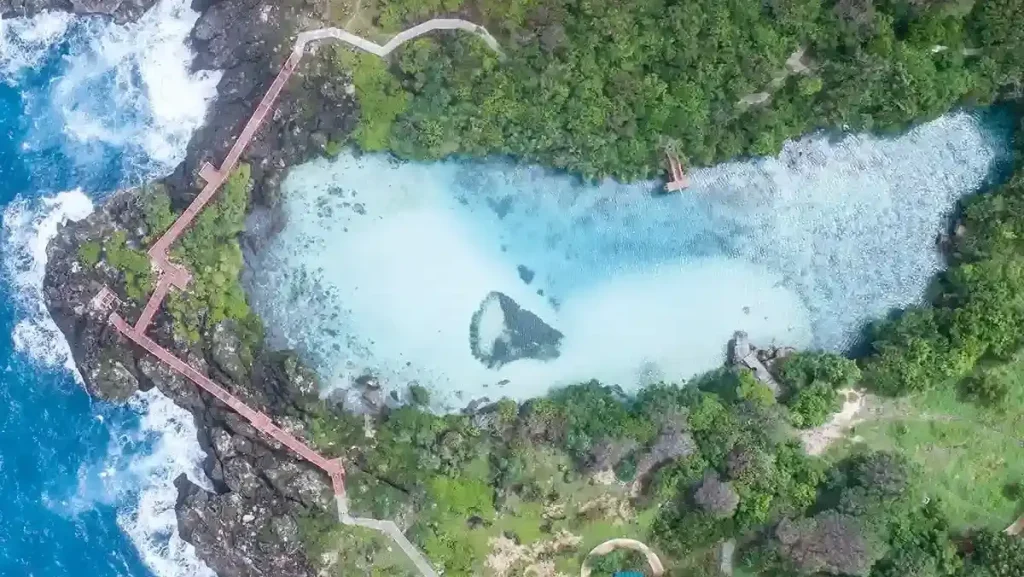
- Weekuri Lagoon: Though technically not a beach, this saltwater lagoon is a must-visit for its crystal-clear waters. The lagoon, fed by underground springs, maintains a consistent temperature year-round, making it a pleasant spot for swimming and relaxing.
- Mandorak Beach: A secluded spot surrounded by high cliffs, perfect for a private day by the sea. The beach is accessible via a short hike, which adds to its appeal as a secluded getaway. Visitors often bring picnics to enjoy while taking in the picturesque views.
Beach Travel in Sumba: What to Expect
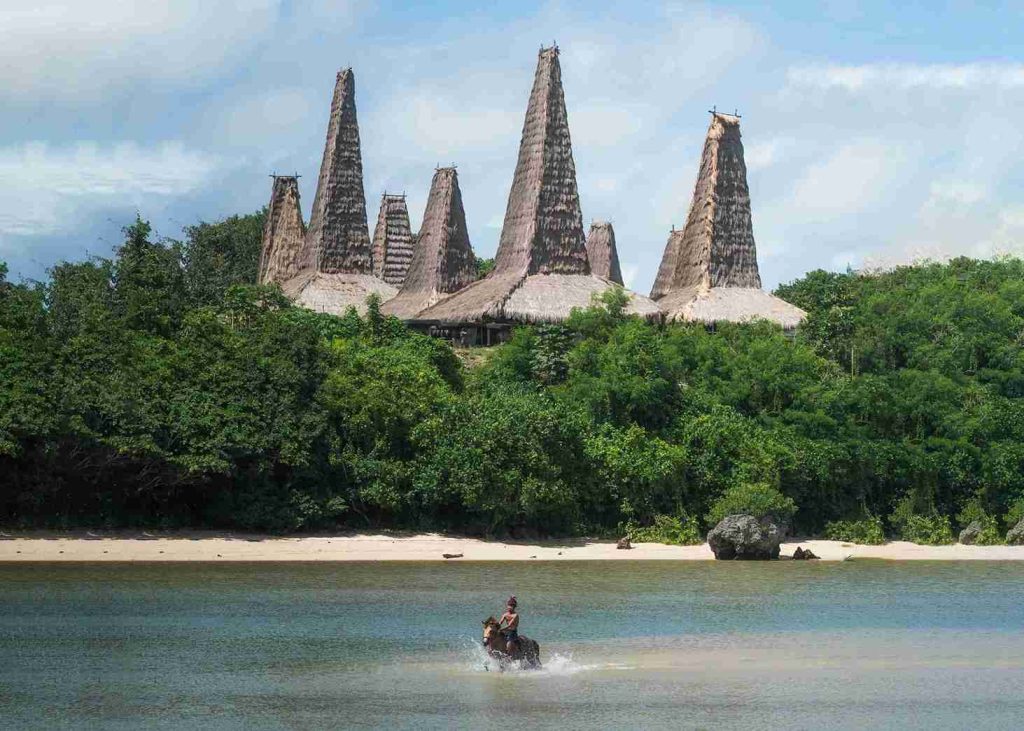
Travelling to Sumba’s beaches in 2027 offers an experience that is both unique and unforgettable. Visitors can expect to find beaches free from excessive commercialisation, where local customs and traditions still hold sway. The island’s remoteness, with limited infrastructure and accessibility, ensures that its beaches are never overcrowded, allowing for a peaceful and immersive experience. The journey to these beaches often involves travelling on unpaved roads or taking local ferries, adding to the sense of adventure and exploration.
When planning a trip, consider checking out our Sumba Island Tour Packing Guide to ensure you have everything you need for your beach adventure. Essential items include reef-safe sunscreen, reusable water bottles, and eco-friendly toiletries to minimise environmental impact.
Which Beaches on Sumba Island Remain Untouched in 2027?
As of 2027, many of Sumba’s beaches remain untouched by large-scale tourism. Tarimbang Beach, Mbawana Beach, and Mandorak Beach are among those still offering unspoiled natural beauty, attracting visitors seeking solitude and natural splendour. These beaches are accessible yet remote enough to deter mass tourism, allowing them to maintain their pristine condition.
2027 Note: Preserving Sumba’s Natural Beauty
With the growing interest in sustainable tourism, Sumba Island is committed to preserving its beaches and environment. Local initiatives focus on maintaining the island’s natural beauty while providing economic benefits to the community. Community-led conservation projects aim to protect the unique ecosystems found along the coastlines, such as the coral reefs and mangrove forests, which are vital to the biodiversity of the region.
Visitors are encouraged to participate in eco-friendly practices, ensuring that the island’s untouched appeal remains intact. This includes respecting local wildlife, reducing waste, and supporting local businesses that prioritise sustainability. Learn more about our responsible tourism practices on our main tour page.
FAQ
Which beaches on Sumba Island remain untouched in 2027?
Tarimbang Beach, Mbawana Beach, and Mandorak Beach are among those that remain largely untouched by tourism in 2027. These beaches offer a unique opportunity to experience nature in its purest form.
What is the best time to visit Sumba beaches?
The best time to visit Sumba beaches is during the dry season, from May to October, when the weather is ideal for beach activities. During this period, visitors can expect warm temperatures, clear skies, and calm seas, making it perfect for swimming, snorkelling, and sunbathing.
Are there any facilities available at Sumba’s hidden beaches?
Most of Sumba’s hidden beaches have limited facilities, so visitors should come prepared with their own supplies and be mindful of leaving no trace. It is advisable to bring essential items such as snacks, water, and a first aid kit, as well as to adhere to the principles of responsible tourism by taking all waste back with you to preserve the environment.
Keep reading
More from the journal.