Travel Journal
Top Photography Spots on Sumba Island in 2027
6 min read
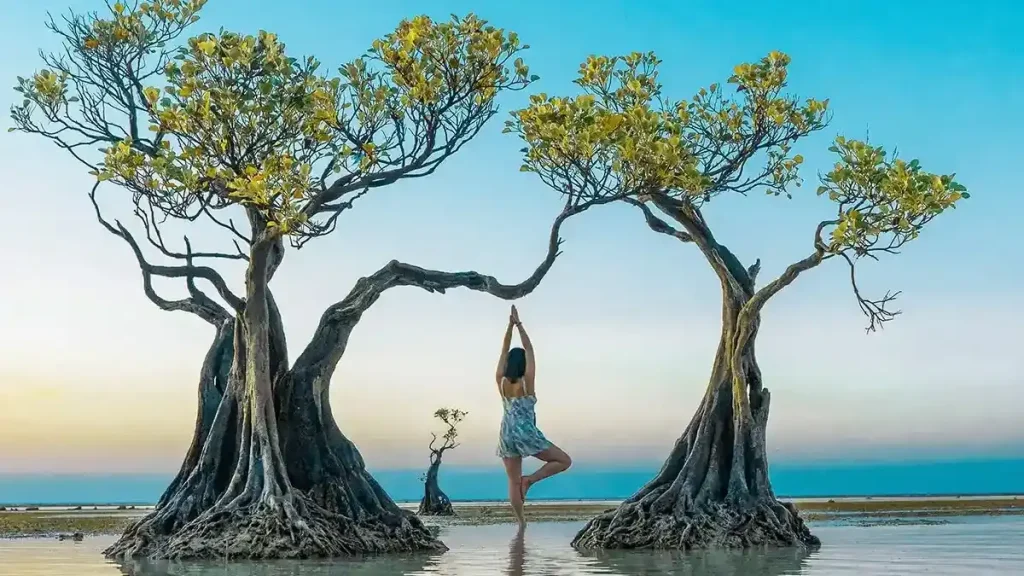
Discover the ultimate Sumba photography 2027 destinations, capturing stunning landscapes and unique cultural experiences across the island.
Sumba Photography 2027: Capturing the Island’s Beauty
Sumba Island offers an array of captivating sites perfect for photography enthusiasts in 2027. Known for its pristine beaches, rugged landscapes, and cultural landmarks, the island provides a variety of photo opportunities that reflect its natural and cultural richness. Sumba’s unique combination of topography and tradition makes it a compelling destination for photographers seeking to capture its beauty.
Where are the top photography locations on Sumba Island in 2027?
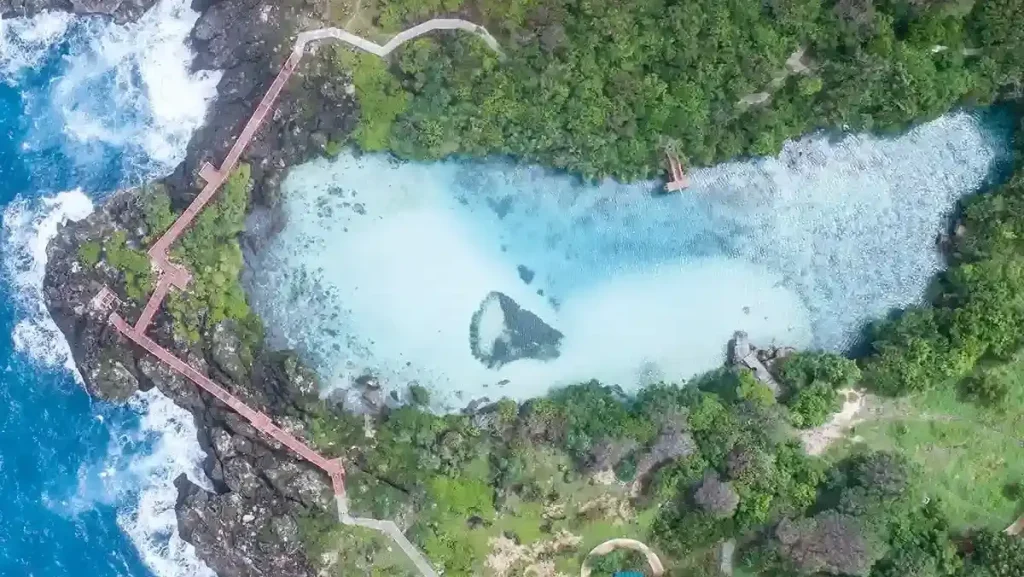
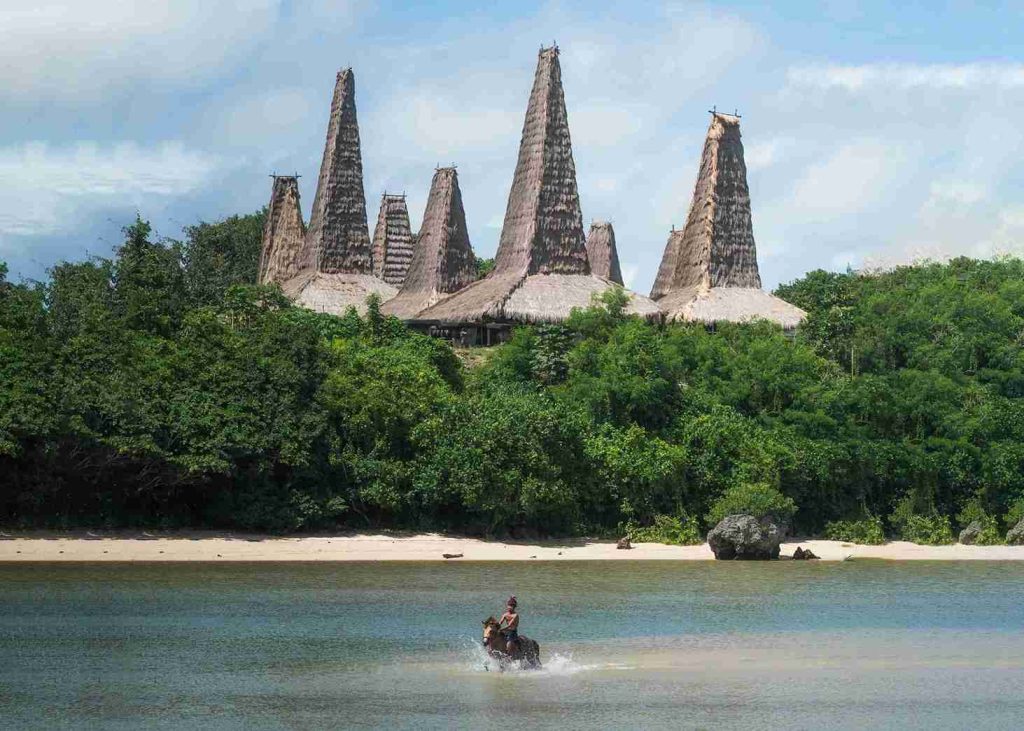
In 2027, the top photography locations on Sumba Island include Weekuri Lake, the traditional villages of Prai Ijing, and the expansive Wanokaka Beach. Each of these locations offers distinct scenes perfect for capturing the essence of Sumba. Weekuri Lake, situated in the western part of the island, is renowned for its crystal-clear waters and is a favourite among photographers for its ability to reflect the sky’s changing colours. The traditional village of Prai Ijing, located near Waikabubak, provides an immersive experience in Sumbanese culture with its traditional houses and daily activities. Wanokaka Beach, on the south-western coast, is known for its long stretches of sand and the iconic sight of Sumba horses galloping along the shore.
Iconic 2027 Photo Spots Sumba
- Weekuri Lake: Known for its turquoise hues and serene surroundings, this saltwater lake is perfect for capturing reflections and natural beauty. The best time to photograph Weekuri Lake is during the dry season from May to October when the water levels are stable and the skies are clear.
- Prai Ijing Village: Step into a world where traditional Sumbanese architecture and daily life provide vibrant photographic subjects. The village is particularly photogenic during local ceremonies and festivals, providing a rich of colour and culture.
- Tanjung Mareha: Ideal for sunrise and sunset photography, this spot offers panoramic views of the Indian Ocean. To capture the most vibrant colours, plan your visit during the transitional seasons of April or October.
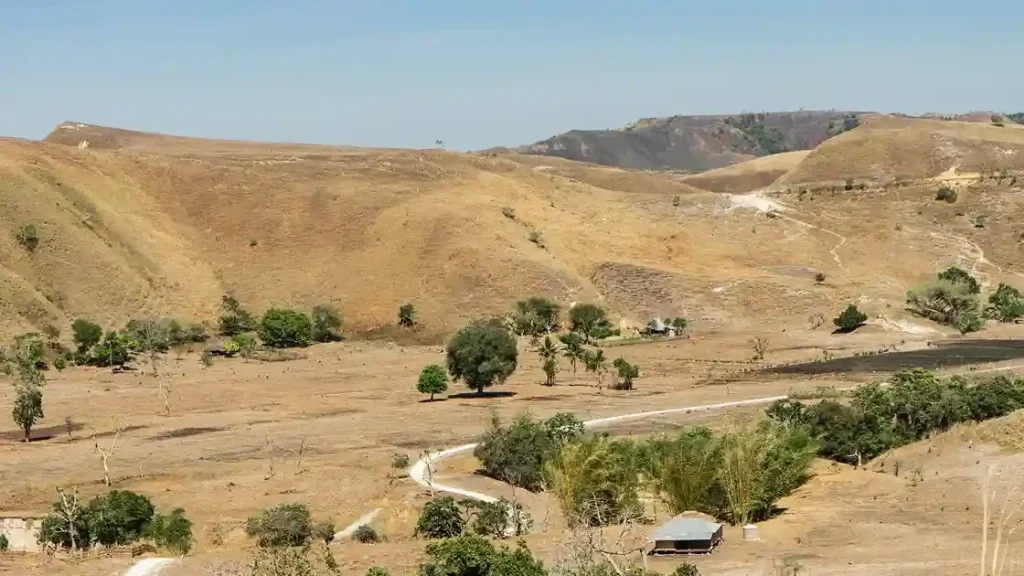
- Wairinding Hill: The rolling hills and vast savannas create a dramatic backdrop for landscape photography. The best time to visit is during the golden hours of early morning or late afternoon when the light softens the landscape’s contours.
- Wanokaka Beach: With its wide stretches of sand and iconic Sumba horses, it’s perfect for dynamic beach shots. The beach is particularly stunning during the low tide when the expanse of wet sand mirrors the sky.
Sumba Landscapes: A Photographer’s Dream
Sumba’s landscapes are as varied as they are stunning. From the coastal cliffs at Tanjung Mareha to the lush hills of Wairinding, each location offers a unique perspective. Photographers can capture everything from the vivid hues of the ocean to the muted tones of the savanna, ensuring a diverse portfolio of images. The island’s topography includes dramatic cliffs, expansive beaches, and rolling hills, each providing a different backdrop for photography. The dry season, which runs from May to October, is generally the best time for landscape photography, as the weather is more predictable and the skies are clearer.
Cultural Photography Opportunities in 2027
In 2027, the cultural richness of Sumba provides numerous opportunities to photograph traditional Pasola festivals and local village life. The Pasola, a traditional war festival held in February and March, is a particularly vibrant event where participants on horseback engage in a spear-throwing competition. This festival offers photographers the chance to capture the dynamic movement and intense expressions of the participants. In addition to the Pasola, everyday village life presents countless opportunities to document traditional attire and the intricate details of Sumbanese homes. The island’s cultural scenes offer a contrast to its natural beauty, making it a comprehensive photography destination.
2027 Note: Updated Travel and Photography Tips
In 2027, Sumba Island continues to enchant photographers with its natural beauty and cultural depth. Updated travel tips include checking seasonal weather patterns for optimal photography conditions and considering guided tours for access to less frequented spots. The dry season from May to October is generally the best time for photography, as the weather is more predictable and the lighting conditions are ideal. For those looking to explore remote areas, hiring a local guide can provide valuable insights and facilitate access to locations that are not easily reachable. For a comprehensive guide, visit our Sumba Island Tour Packing Guide to ensure you’re prepared for your photographic journey.
FAQ
What equipment should I bring for photographing Sumba Island in 2027?
Bring a versatile camera with a wide-angle lens for landscapes and a telephoto lens for wildlife. A tripod is essential for stability, especially for low-light conditions. Consider bringing a polarising filter to enhance the colours and reduce glare when photographing water or landscapes.
Are there any photography tours available on Sumba Island?
Yes, several local operators offer photography tours that cover both popular and remote spots. These tours often include insights into the best times and angles for photos. Tour guides can also facilitate interactions with local communities, enhancing the cultural photography experience.
How can I respect local customs while photographing in Sumba?
Always ask for permission before photographing people, especially in villages. Learn a few local phrases to communicate respectfully and show appreciation. It is also important to be aware of and respect any local customs or taboos regarding photography, particularly during religious or cultural events.
Keep reading
More from the journal.