Travel Journal
Navigating Sumba Island: Transport Options in 2027
4 min read

In 2027, Sumba transport options include updated public buses, electric scooters, reliable car rentals, and organised tours, ensuring convenient travel across the island.
Sumba Transport 2027
As Sumba Island continues to grow as a popular travel destination, understanding the available transport options is crucial for any visitor planning a trip in 2027. The island offers a variety of ways to explore its landscapes, from modern updates to traditional methods.
2027 Travel Options Sumba
Sumba Island’s transport network has seen significant improvements by 2027, catering to both locals and tourists. The island’s commitment to sustainable tourism is reflected in the introduction of eco-friendly transport options. Here are some primary means of getting around Sumba:
- Public Buses: The public bus system has seen enhancements, offering more routes and improved timetables. These buses provide an affordable means of travel between major towns and attractions. The network now includes over 20 key routes that connect the main towns such as Waingapu, Waikabubak, and Tambolaka. Buses operate from early morning until late evening, with frequencies of every 30 minutes during peak hours.
- Electric Scooters: Available for hire in most towns, electric scooters are a popular choice for short trips and exploring less accessible areas. This eco-friendly option aligns with global trends towards sustainable travel. Scooter hire stations are strategically located near popular attractions and town centres, with rental costs averaging around IDR 100,000 per day. Charging stations have been installed at various points across the island to support this initiative.
- Car Rentals: For those preferring independence, car rentals remain a viable option. Rental agencies offer a range of vehicles, from compact cars to larger 4WDs, suitable for Sumba’s varied terrain. Prices start at approximately IDR 500,000 per day. It is advisable to book in advance, especially during peak tourist seasons, which include the dry months from May to October when road conditions are most favourable.
- Organised Tours: Many visitors opt for organised tours to efficiently see the sights. These tours range from day trips to extensive island explorations, often including knowledgeable guides. Options include cultural tours, visits to traditional villages, and excursions to the island’s renowned beaches. Tour operators typically provide transport, meals, and entry fees in their packages.
Getting Around Sumba
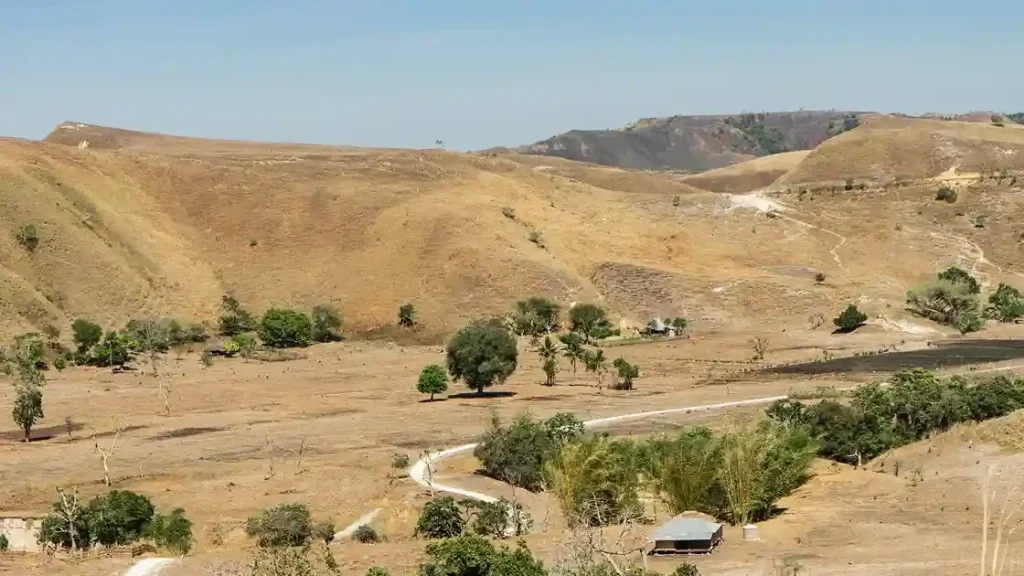
While the road infrastructure has improved, some areas still require off-road vehicles for access. It’s advisable to plan routes ahead, especially when venturing off the main roads. Exploring the island’s scenic routes can be a rewarding experience, providing insight into Sumba’s rich culture and stunning landscapes. The West Sumba region, for instance, offers rugged terrains that are best navigated by 4WD vehicles, ensuring access to remote beaches and traditional villages.
For further guidance on packing and preparing for the unique conditions of Sumba, check out our detailed packing guide.
2027 Note
In 2027, Sumba Island’s commitment to improving its tourism infrastructure is evident. Visitors will find a blend of modern convenience and traditional charm. The island’s transport options cater to diverse preferences, ensuring an enjoyable stay for all. Efforts to enhance infrastructure reflect a strategic focus on balancing growth with the preservation of the island’s unique cultural and natural heritage.
FAQ
What are the transportation options for tourists on Sumba Island in 2027?
Tourists in 2027 can choose from public buses, electric scooters, car rentals, and organised tours to navigate Sumba Island efficiently.
Are there sustainable transport options available on Sumba Island?
Yes, Sumba Island offers electric scooters as a sustainable transport option, aligning with global eco-friendly travel trends.
How has Sumba’s transport infrastructure improved by 2027?
By 2027, Sumba has enhanced its public bus services, introduced electric scooters, and improved road infrastructure, making travel convenient.
Keep reading
More from the journal.