Travel Journal
Sumba Wildlife 2027: Exploring the Island’s Diverse Fauna
6 min read
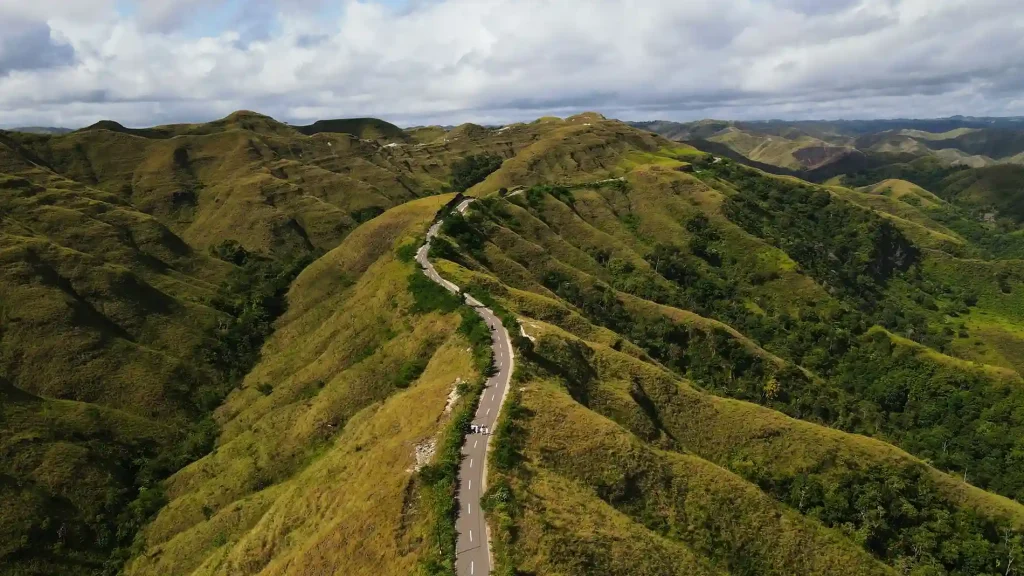
Sumba Island’s wildlife in 2027 is a rich collection of unique species found nowhere else in the world, offering animal encounters that captivate nature travel enthusiasts. From the Sumba hornbill to the elusive Rusa deer, the island’s biodiversity is a must-see for any wildlife lover.
Sumba Wildlife 2027: A Closer Look at the Island’s Fauna
Sumba Island continues to draw nature travel enthusiasts with its diverse wildlife, offering some of the most enriching animal encounters in the region. In 2027, visitors can expect to see a variety of species that showcase the island’s unique ecological environment. The island’s geographical isolation has resulted in an ecosystem where many species have evolved independently, making it a prime destination for those interested in rare and endemic wildlife. Amongst the rugged terrains, limestone hills, and verdant forests, nature lovers can immerse themselves in an environment that is both captivating and educational.
Animal Encounters on Sumba
Sumba Island is home to an array of remarkable wildlife. Among the most notable species are the Sumba hornbill and the red junglefowl. These birds are particularly appealing to birdwatchers who travel to the island specifically to witness their vibrant plumage and unique behaviours. The Sumba hornbill, for instance, is distinguished by its striking casque and impressive wingspan, which can reach up to 1.2 metres. The red junglefowl, believed to be the wild ancestor of domestic chickens, displays vivid colours and intriguing social dynamics.
In addition to the avian species, the island hosts several mammals, including the Rusa deer, which roam freely in the island’s forests. The Rusa deer, with its majestic antlers and agile movements, provides ample opportunities for travellers to engage in exciting wildlife photography and observation experiences. These deer are most active during the early mornings and late afternoons, making these times ideal for sightings. The island’s nocturnal creatures, such as the unique Sumba flying fox, also present a fascinating aspect of its biodiversity, highlighting the importance of night-time tours for a complete wildlife experience.
Nature Travel Sumba: A 2027 Perspective
Nature travel on Sumba Island in 2027 offers a distinct blend of adventure and ecological discovery. With a commitment to preserving its natural habitats, the island provides a sanctuary for wildlife and a prime location for eco-tourism. Visitors can participate in guided tours that highlight the island’s commitment to conservation and sustainable tourism practices. These tours are often led by local experts who provide insights into the delicate balance of the island’s ecosystems. Such tours might include trekking through dense forests, exploring coastal mangroves, or visiting conservation centres dedicated to the protection of endangered species.
Conservation Efforts on the Island
The protection of Sumba’s wildlife is paramount, with ongoing conservation projects aimed at maintaining biodiversity. These efforts include habitat restoration and protection programmes that are crucial for sustaining the island’s unique ecosystems. Local and international conservation organisations collaborate to implement these programmes, focusing on reforestation, anti-poaching measures, and community education. By participating in these efforts, tourists can gain a deeper understanding of the island’s ecological significance and contribute to its preservation. Annual conservation workshops and volunteering opportunities are available for those interested in a more hands-on experience, fostering a deeper connection with the island’s natural environment.
2027 Note: Sumba Island Travel Regulations
As of 2027, new travel regulations have been implemented to enhance the protection of Sumba’s wildlife. These include restrictions on certain areas to minimise human impact and ensure the safety of both visitors and animals. Specific zones within national parks may be accessible only with a certified guide, ensuring that the delicate habitats remain undisturbed. Travelers are encouraged to familiarise themselves with these guidelines to ensure a respectful and enriching visit. These regulations are part of a broader initiative to balance tourism with conservation, ensuring that the island remains a haven for wildlife for generations to come.
For those planning a trip, it is advisable to consult our Sumba Island tour packing guide to prepare adequately for the journey. This guide provides detailed advice on essential items, such as sturdy walking shoes, insect repellent, and appropriate clothing for varying weather conditions, as well as practical tips on how to respect and protect the island’s natural resources.
Where to Experience Sumba’s Wildlife
- Manupeu Tanah Daru National Park: Known for its rich biodiversity, offering a glimpse into the island’s unique flora and fauna. This park spans over 87,984 hectares and is a critical habitat for many endemic species. Visitors can explore its diverse landscapes, from lush rainforests to dramatic cliffs, each home to different wildlife communities.
- Wai Humba Forest: A prime location for birdwatching enthusiasts. The forest is home to over 200 bird species, including several that are endemic to the island. Birdwatchers can expect to see rare species such as the yellow-crested cockatoo and the Sumba green pigeon. Early morning visits are recommended for the best birdwatching experiences.
- Laiwangi Wanggameti National Park: Home to several endemic species and a popular spot for nature walks. Covering approximately 47,014 hectares, this park features a variety of ecosystems, including montane forests and coastal mangroves. Guided treks often include visits to waterfalls and lookout points with panoramic views of the surrounding landscapes.
- Sumba Cultural and Wildlife Reserve: Provides a comprehensive look at the island’s wildlife conservation efforts. This reserve not only focuses on protecting wildlife but also on preserving the cultural heritage of the local communities. Visitors can engage in cultural tours that highlight traditional Sumbanese practices and their relationship with the natural environment.
For a travel experience, consider exploring our comprehensive tour options to make the most of your visit. These tours are designed to offer a balanced itinerary that combines wildlife observation with cultural immersion, ensuring a well-rounded exploration of Sumba Island.
FAQ
What wildlife can travellers expect to see on Sumba Island in 2027?
Travellers can expect to see a variety of unique species, including the Sumba hornbill, Rusa deer, and red junglefowl. The island’s diverse ecosystems support many endemic species, offering rich opportunities for wildlife observation. Additionally, the island is home to a variety of reptiles, amphibians, and invertebrates, each contributing to the intricate web of life found in Sumba’s natural habitats.
How has the conservation landscape changed on Sumba Island by 2027?
By 2027, Sumba’s conservation landscape has evolved with increased efforts in habitat preservation and wildlife protection initiatives. These efforts aim to maintain biodiversity while promoting sustainable tourism. New technologies, such as drone monitoring and satellite tracking, are employed to monitor wildlife populations and habitat health, ensuring that conservation strategies are data-driven and effective.
Are there specific areas recommended for nature travel on Sumba Island in 2027?
Yes, recommended areas for nature travel include Manupeu Tanah Daru National Park and the Sumba Cultural and Wildlife Reserve, both of which offer rich wildlife experiences and insights into the island’s conservation efforts. Each area provides unique opportunities to observe different species and learn about the ongoing efforts to protect and preserve Sumba’s natural heritage.
Keep reading
More from the journal.