Sumba Journal
Sumba Island 2027 Safety And Insurance Checklist
8 min read
For a practical sumba island 2027 safety health and insurance checklist, plan for: (1) basic clinics in Waingapu and Tambolaka, (2) hospital access via Bali for serious cases, (3) travel insurance with medical and trip‑change cover, (4) dedicated sumba emergency evacuation insurance, and (5) road, weather, and cultural‑day (Sumba Sunday) contingencies.
How safe is Sumba Island in 2027 for health and emergency care?
By 2027, Sumba remains a relatively low‑crime island but with limited medical depth, so health risk is more about access than security. Waingapu (East Sumba) and Tambolaka/Waitabula (Southwest Sumba) are expected to remain the main hubs for medical facilities in Sumba Island, with type‑C/D hospitals and 24‑hour clinics for primary care, dehydration, minor injuries, and basic diagnostics.
For serious trauma, heart issues, or complex surgery, evacuation to Bali or Java is usually required. Denpasar in Bali is supported by national‑level hospitals and is easier to reach logistically, which is why many tour operators plan evacuation pathways via Bali first. As of August 2026, mid‑range travel clinics in Denpasar typically charge IDR 500,000–1,500,000 for consultation and routine tests, depending on facility and specialist.
Visitors with chronic conditions should bring a written summary (diagnosis, medications, allergies) and at least 7–10 extra days of prescription medication. Power cuts and limited pharmacy stock in rural Sumba are still common in 2026 and are unlikely to disappear by 2027, so self‑sufficiency for routine needs is part of realistic health and safety for Sumba Island tours.
What insurance do you actually need for a remote Sumba trip in 2027?
For 2027, travellers should treat Sumba as a remote destination that requires strong medical and disruption cover. A general Southeast Asia policy is rarely enough. At minimum, aim for USD 100,000 (or local currency equivalent) in overseas medical coverage and explicit emergency evacuation inclusion, with helicopter or fixed‑wing charter options spelled out in writing.
Many underwriters now offer a dedicated Sumba Island travel insurance add on or similar “remote island” clause that extends to activities such as hiking, village visits, and moderate trekking. Carefully check if a Sumba emergency evacuation insurance rider is available, as charter flights or a Sumba Island helicopter transfer to Bali can exceed USD 10,000–25,000 as of August 2026, depending on aircraft, distance, and weather conditions.
Given currency volatility—Bank Indonesia’s JISDOR reference rate for USD/IDR moved in the Rp 17,960–17,999 range on 1–6 July 2026—policies priced in USD or EUR can protect you from sharp mid‑trip cost increases. Align your cover limits with realistic evacuation and hospital costs rather than minimum policy requirements.
How reliable are roads, vehicles, and transfers around Sumba in 2027?
Road conditions in Sumba are mixed: paved main arteries linking airports and towns, with potholed or unsealed sections leading to beaches, waterfalls, and viewpoints like the Wairinding Hill sunrise tour. For travellers, road safety for driving in Sumba is a major practical concern. Night driving, rain, and free‑roaming livestock all increase risk.
Most visitors are safer using a driver than self‑drive rentals. Professional operators typically maintain late‑model vehicles, enforce seat‑belt use, and avoid unfamiliar mountain routes after dark. As of August 2026, reputable full‑day private car‑and‑driver services range roughly IDR 900,000–1,800,000 depending on distance, fuel, and waiting time.
Transfers can involve air, road, and occasionally sea segments. Charter options—such as a Sumba Island helicopter transfer or a Sumba boat charter near me for small island hops—are usually arranged through resorts or tour operators with vetted partners and safety checks. Group guests often prefer a structured Sumba resort shuttle and activity pass, which bundles airport pick‑up, key excursions, and on‑call driver support into one predictable safety framework.
How should I plan for Sundays, culture, and eco‑friendly packing in Sumba?
By 2027, many parts of the island will still honour Sunday as a quiet day. These Sumba Sunday quiet day considerations matter. In some districts, churches are full, shops close, and village activities slow down. Certain communities may prefer not to receive visitors during Sunday services or major religious festivals.
Travellers should ask in advance how Sunday affects tour timing, especially for market visits, weaving cooperatives, or traditional villages. Respectful scheduling is part of responsible health and safety for Sumba Island tours: crowds at limited open eateries can cause long waits, and reduced staff can slow emergency response, so carrying snacks, water, and basic first‑aid becomes even more important.
Packing lightly but thoughtfully also reduces strain on vehicles and small island infrastructure. A simple Sumba eco friendly packing checklist usually includes a refillable water bottle, reef‑safe sunscreen, long‑sleeved light clothing, a compact first‑aid kit, and dry bags for electronics during boat crossings. These choices support both safety and environmental protection for a Sumba wildlife and nature tour in 2027.
How does cancellation, trip changes, and group logistics affect risk?
Weather, inter‑island flights, and sea conditions can change fast around Sumba, making flexibility and clear policies essential. Before paying deposits, study your operator’s Sumba Island cancellation policy. Check cut‑off times, refund percentages, and how force majeure (storms, airline schedule shifts, volcanic activity elsewhere in Indonesia) is treated.
Group trips can reduce per‑person costs for safety extras like on‑trip medical support or private evacuation standby. Coordinated itineraries also allow smarter routing—for example pairing a village visit with coastal stops to minimise long backtracking drives. For structured itineraries, see offers such as Sumba Island Group Tour Deals, which often integrate transport, guiding, and assistance into a single framework.
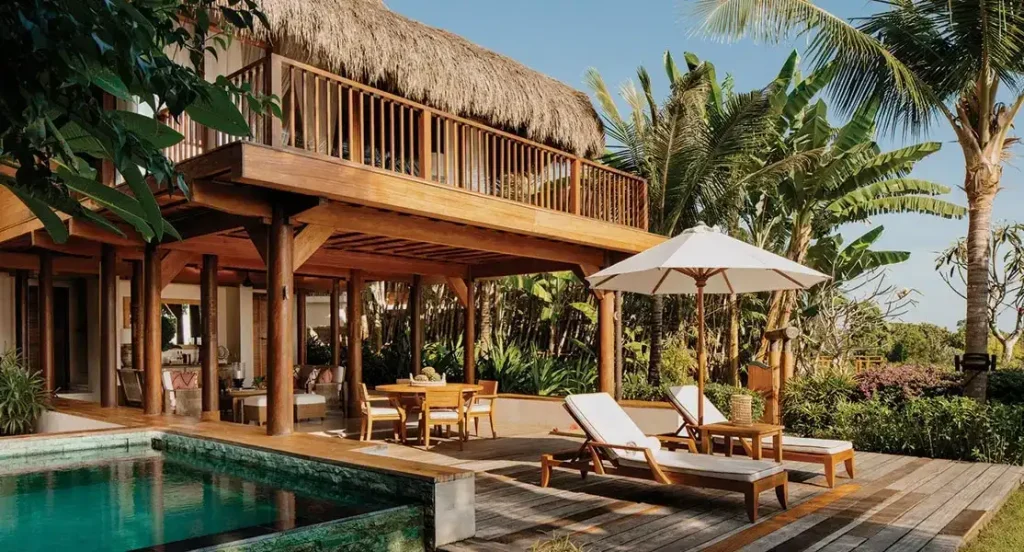
Higher‑end accommodations—referenced in resources like the luxury Sumba retreats and villas forecast 2027—frequently include better lighting, on‑site security, and driver networks that indirectly reduce risk. Some packages fold shuttles, guided excursions, and soft‑adventure activities into one Sumba resort shuttle and activity pass, lowering the chance that guests arrange last‑minute, unvetted transport.
What are the 7 essentials for a Sumba Island 2027 safety, health, and insurance setup?
- Printed and digital copies of your passport, main insurance policy, and any Sumba Island travel insurance add on, plus insurer emergency contact numbers.
- A list of key medical facilities in Sumba Island (Waingapu and Tambolaka hospitals/clinics) and your home country emergency assistance hotline.
- Pre‑booked airport transfers or a vetted tour driver instead of ad‑hoc taxis for safer road safety for driving in Sumba.
- Written confirmation of any Sumba emergency evacuation insurance and how to trigger helicopter or fixed‑wing evacuation.
- A personalised Sumba eco friendly packing checklist including first‑aid, sun protection, insect repellent, and modest clothing for villages.
- Tour and accommodation vouchers showing the Sumba Island cancellation policy, payment terms, and any medical or security support.
- Saved offline maps and language essentials for low‑signal areas, especially on rural Sumba wildlife and nature tour routes.
Frequently asked questions
what is included in sumba island 2027 safety health and insurance checklist?
This checklist covers verified medical access points on Sumba, recommended coverage levels for travel and evacuation insurance, transport and road safety for driving in Sumba, Sunday and cultural considerations, eco‑friendly packing, and documentation. It is meant as a planning tool to pair with your insurer’s documents and your tour operator’s on‑the‑ground support.
what to wear in sumba traditional villages
Choose modest, lightweight clothing: covered shoulders, knee‑length or longer shorts/skirts, and neutral colours. A sarong is useful for ceremonies and photos. Avoid tight or transparent clothes. Pack a sunhat and comfortable closed shoes for uneven paths. Respectful dress supports positive interactions during village visits integrated into a Sumba wildlife and nature tour.
do you need a guide in sumba island
A local guide is strongly recommended rather than mandatory. Guides help with language, customs, Sumba Sunday quiet day considerations, and access to traditional villages. They also manage timing, road choices, and emergency coordination. Tailored services like an organised Luxury Sumba Island Tour or curated group departures usually include guiding as standard.
How does insurance work for helicopter or boat evacuation in Sumba?
Evacuation by helicopter or medical boat usually requires explicit wording in your policy or a specific Sumba emergency evacuation insurance rider. Confirm coverage up to at least USD 25,000–50,000 for transport alone. Operators can help coordinate a Sumba Island helicopter transfer or medically‑supervised Sumba boat charter near me, but insurers must authorise costs.
How can technology improve my Sumba safety planning for 2027?
Planning tools using ai powered trip planning for sumba tours in 2027 can optimise routes, avoid risky driving hours, and flag clinic locations. These tools, combined with operator knowledge, help align your itinerary with opening hours, Sunday quiet periods, and real‑time weather data, improving both comfort and safety.
For tailored itineraries, safety‑aware logistics, or group pricing, contact the BD desk at Juara Holding Group (part of Juara Holding Group — since 2015) via WhatsApp 628119941919 or email sales@indonesiajuara.asia, or explore current offers on Sumba Island Group Tour Deals.
Last updated 1 August 2026
Keep reading
More from the journal.