Sumba Journal
Sumba Horses: Sandalwood Ponies & Where to Ride
9 min read
Sumba’s horses are Sandalwood ponies — compact, sure-footed island horses named for the sandalwood trade that once carried them from Sumba’s ports to buyers across Asia. Guests can ride them at sunset on the beaches of West Sumba, watch them charge bareback at the Pasola festival (held around February–March, confirmed by the lunar calendar), and find semi-wild herds grazing the Puru Kambera savanna east of Waingapu. This guide covers the breed’s story, where to ride responsibly, and how to plan a trip around the island of horses.
What Is a Sandalwood Pony?
The Sandalwood pony is Indonesia’s best-known native horse breed, standing roughly 11 to 13 hands — small by international standards, but bred over centuries for stamina, heat tolerance, and calm nerves on rough ground. Most accounts trace the breed to Arabian bloodlines crossed onto local island ponies generations ago, then shaped by Sumba’s dry savanna into something tougher than either parent line. The name has nothing to do with colour: sandalwood was Sumba’s export currency for centuries, and the ponies shipped out alongside it took the trade’s name with them.
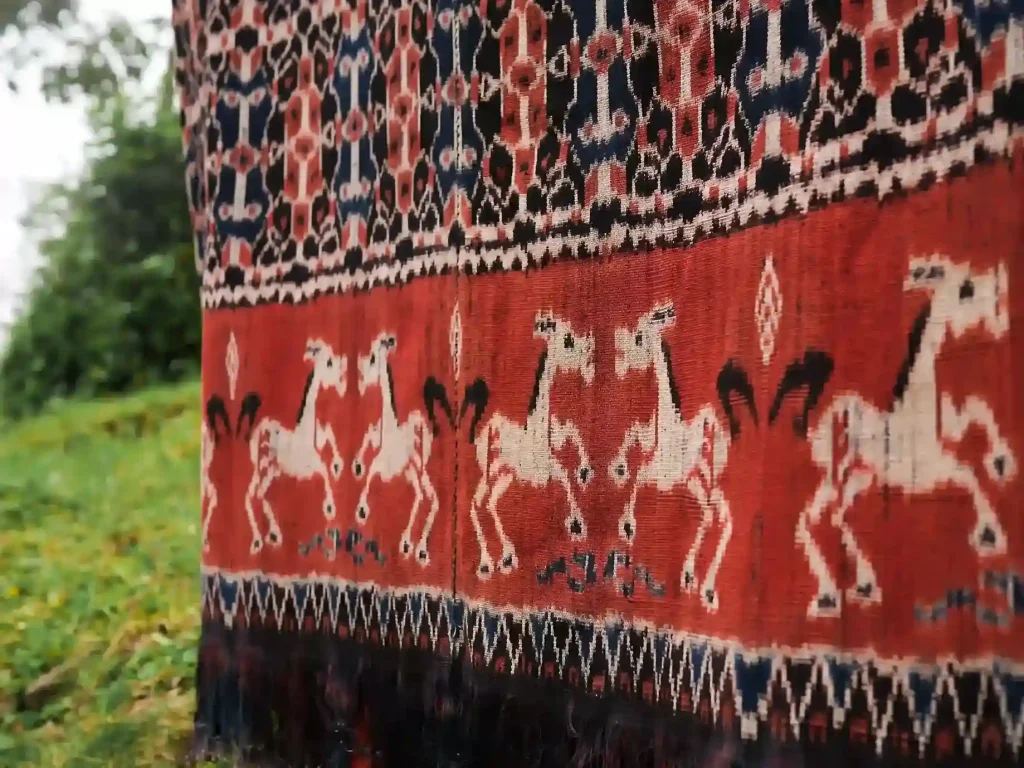
On Sumba, a horse has never been mere transport. Horses carry brides in wedding processions, feature in funeral rites and bride-wealth negotiations, and appear carved into the megalithic tombs of Anakalang and Rende. In the Marapu belief system that still shapes daily life across the island, a fine horse signals a family’s standing the way a car or a house might elsewhere. When your private guide introduces you to a horse owner in a village, expect the meeting to begin the Sumbanese way — with betel nut offered and accepted before any talk of riding.
Where Can You Ride a Horse in Sumba?
There are four reliable ways for guests to meet Sumba’s horses, from a walk on the sand to simply watching herds run free:
- West coast beach rides. Local handlers offer led and free rides on Marosi Beach and the Wanokaka coastline, ideally in the last two hours before sunset when the light turns gold and the heat drops.
- Nihi Sumba’s swimming horses. The resort’s signature experience — Sandalwood ponies wading and swimming in the surf line — is reserved for house guests (more below).
- Puru Kambera savanna. Semi-wild herds graze freely here; some local owners offer short accompanied rides, though many guests prefer to photograph the horses at liberty.
- Village visits. In the traditional villages of the west and the royal compounds of the east, you will often see boys racing bareback along dirt lanes — everyday horsemanship no arena can stage. Our Sumba traditional villages tour builds these encounters in with proper introductions.
A practical note: helmets and boots are not standard with village handlers, so tell your advisor in advance and we will pair you with handlers whose tack and temperament we know.
The Swimming Horses of Nihi Sumba
The image that made Sumba’s horses world-famous — a pony chest-deep in a glassy wave at dawn — comes from Nihi Sumba on the southwest coast. The resort stables its own Sandalwood ponies and takes them into the sea most mornings; guests can join in the water or ride along the beach. Access is limited to those staying at the resort, with nightly rates typically from around USD 1,000+ per night (resort-published, seasonal). If a night or two at Nihi is on your list, our resort stay-and-tour combinations pair it with an overland itinerary so the resort becomes a chapter, not the whole book.
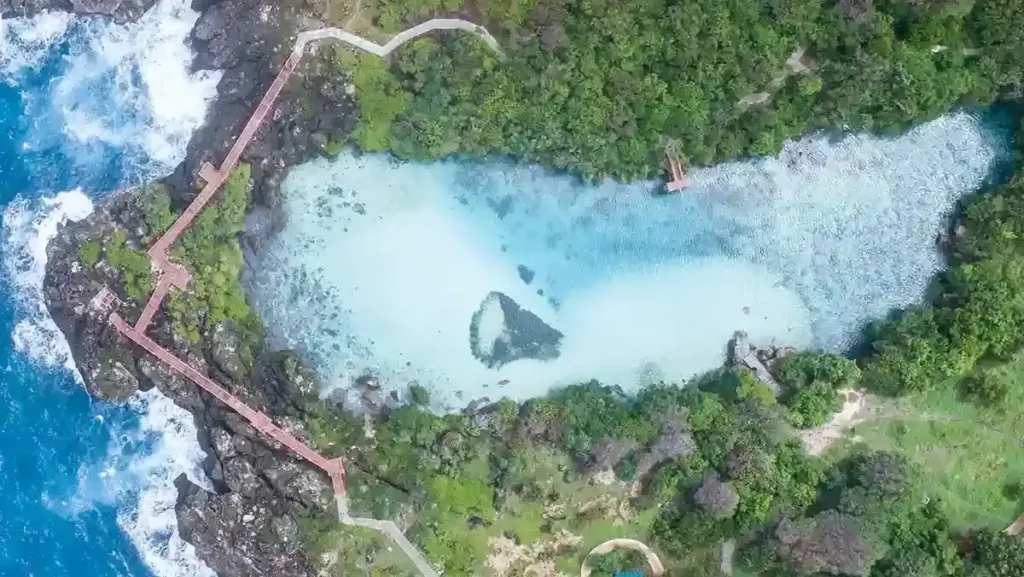
The same coastline explains why surfers whisper about the island. The Nihi Sumba surf season runs with the dry-season swells, roughly May through September, when the resort’s private left-hander works best — famously capped to a small number of surfers per day. Beyond the resort, surf breaks around Sumba include the reef and beach waves of the Kodi coast near Pero, plus the bays of Marosi and Wanokaka; surf lessons near Nihi Sumba can be arranged through the resort or with local instructors on gentler beach breaks. On calm days, Sumba snorkeling spots worth a mask include the sheltered coves around Mandorak and the clear shallows of Weekuri Lagoon — modest compared with Komodo, but a pleasant hour between drives.
When Do Sumba’s Horses Race at Pasola?
Pasola is the island’s great equestrian ritual: two mounted teams hurling blunt wooden spears at full gallop, riding bareback with reins in one hand. It is a Marapu rite tied to the arrival of the nyale sea worms, so there is no fixed date — festivals fall around February in the Lamboya and Kodi areas and around March near Wanokaka, each confirmed by the lunar calendar and by the Rato priests. We track local announcements each season rather than promising dates no one can guarantee; what you can rely on is the horsemanship, honed year-round by riders and ponies alike. If the festival anchors your travel window, see our Sumba Pasola festival tour for how we position guests safely and respectfully.
Wild Horses of Puru Kambera
For horses without fences, drive the coast road northeast of Waingapu to the Puru Kambera savanna, where herds graze between grassland and casuarina trees with the Savu Sea behind them. Come at first light: the horses are active, the grass glows, and you will often have the plain to yourself. Puru Kambera sits comfortably among the sunrise hot spots near Waingapu, alongside the limestone point of Watuparunu and the ridgelines of Tanau Hill; pair a savanna morning with a golden-hour climb at Wairinding and sunset among the mangroves of Walakiri for a single day that covers East Sumba’s greatest hits.
Sunrise hot spots near Tambolaka are quieter by comparison — the west coast saves its drama for dusk — though Lendongara hill rewards early risers with soft light over the Kodi lowlands before the day’s village visits begin.
Photographing Sumba’s Horses: Light, Spots & Manners
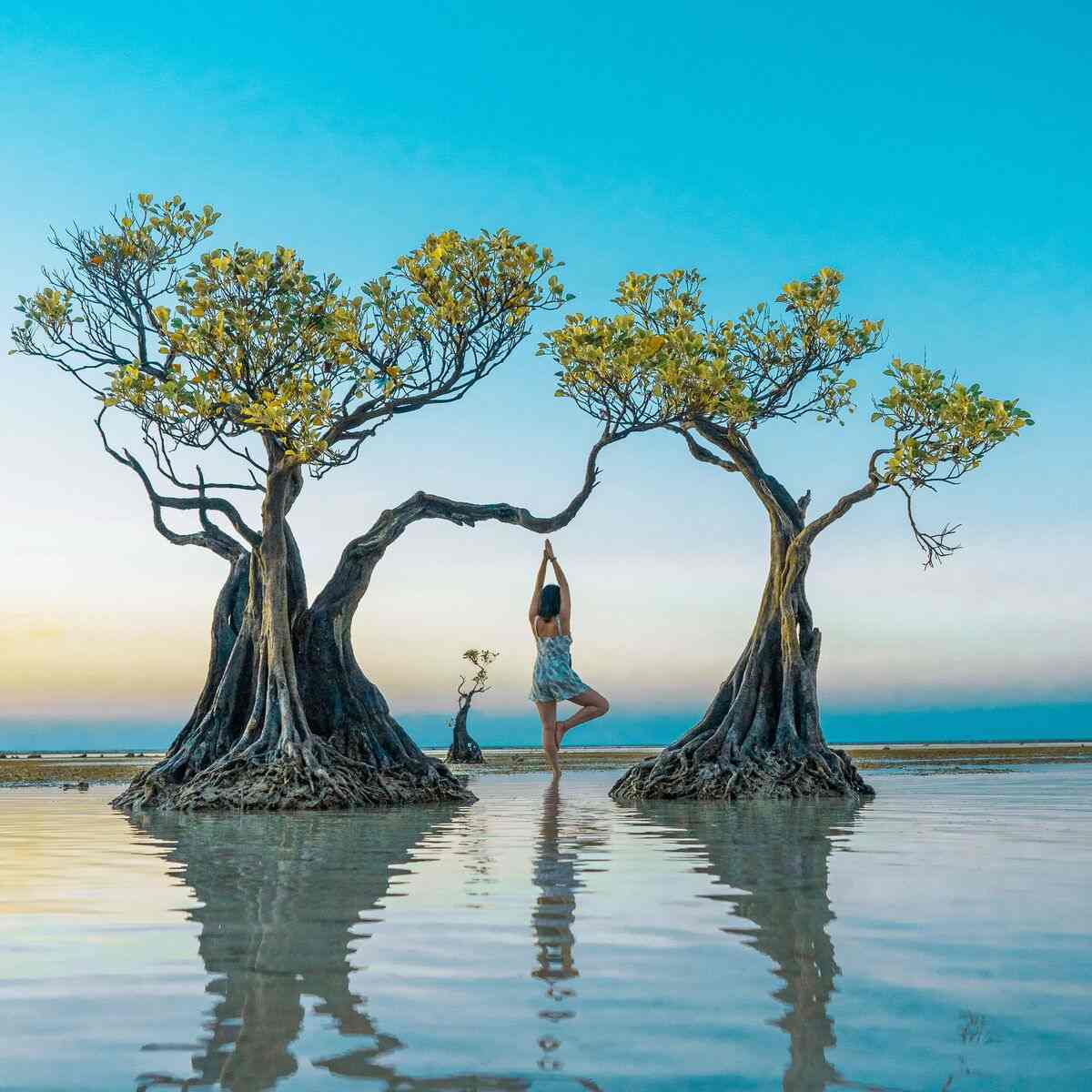
Horses feature in most of the classic Instagram spots in Sumba, and timing is everything. Marosi Beach in the final hour of sun gives you riders in silhouette against wet sand; sunset at Pero Beach adds fishing skiffs and the Kodi headlands to the frame; Walakiri’s low-tide flats put “dancing” mangroves behind anything that moves. At Puru Kambera, work early and keep your distance — a long lens flatters both the herd and the light. Two courtesies go a long way: ask a handler or owner before photographing a horse at close range, and expect to offer a small local fee at villages and managed sites.
Is Horse Riding in Sumba Ethical?
Broadly yes, with judgment. Horses here are working partners with real status, not beach props, and most are owned by families who depend on their condition. We still apply standards on your behalf: ponies should be sound and well-fleshed, loads light, sessions short in the heat, and handlers unhurried. Where an operation does not meet that bar, your guide will quietly steer you to one that does. Watching the semi-wild herds at Puru Kambera, or Pasola training runs in the west, asks nothing of the horses at all — and often makes the better photograph.
Practical Notes for a Horse-Focused Trip
- Pricing and deposits. Beach rides and savanna visits fold into our overland itineraries: the 4-day, 3-night route runs from USD 390–700 per person (as of August 2026, subject to season and group size) — see the mirror itinerary at Indonesia Juara Trip’s Sumba 4D3N — while a private car with an English-speaking driver-guide runs from around USD 60–90 per day. Deposit requirements for Sumba packages are simple with us: a modest deposit confirms your dates and guide, with the balance settled before arrival — every figure in writing, nothing hidden behind a quote form.
- Sleeping well. Bed nets in Sumba guesthouses are common but not universal; if you are staying rural for Pasola or a savanna sunrise, ask ahead and pack repellent as a backup.
- Gear. Hiking pole rental in Sumba is effectively non-existent, so bring a collapsible pole from home if your itinerary adds the Tanggedu or Waimarang waterfall treks to your horse days. Long trousers earn their place on any ride.
- The scene. Expat life in Sumba remains a small circle of surfers, hoteliers, and NGO staff around the west coast — enough to guarantee good coffee near the resorts, small enough that the island still feels entirely its own.
Speak to Our Sumba Travel Advisor
Whether you want one golden-hour ride on Marosi, a Pasola window tracked for you, or a full week that threads horses through villages, waterfalls, and savanna, tell us how you travel and we will shape the route around it. Message our Sumba travel advisor on WhatsApp at +62 811-994-1919 or email sales@indonesiajuara.asia, and we will reply with a clear itinerary and transparent per-person pricing. Sumba Island Tour is operated with Indonesia Juara Trip — high-end local Sumba expertise, part of Juara Holding Group — since 2015.
Keep reading
More from the journal.