Travel Journal
Discovering Sumba’s Cultural Heritage in 2027
5 min read
Experience Sumba’s cultural heritage in 2027 by immersing yourself in traditional villages, attending vibrant festivals, and exploring ancient megaliths.
Sumba Cultural Heritage 2027
The allure of Sumba’s cultural heritage in 2027 lies in its rich traditions and vibrant customs. This Indonesian island offers a unique opportunity to witness a way of life that has been preserved for centuries. Whether through heritage tours in Sumba or independent exploration, visitors can into the island’s fascinating history and cultural backdrop. Sumba is home to approximately 700,000 residents, many of whom still live in accordance with ancient customs. The island’s cultural diversity is evident in its four regencies: East Sumba, West Sumba, Central Sumba, and Southwest Sumba, each offering distinct cultural experiences.
Traditional Villages
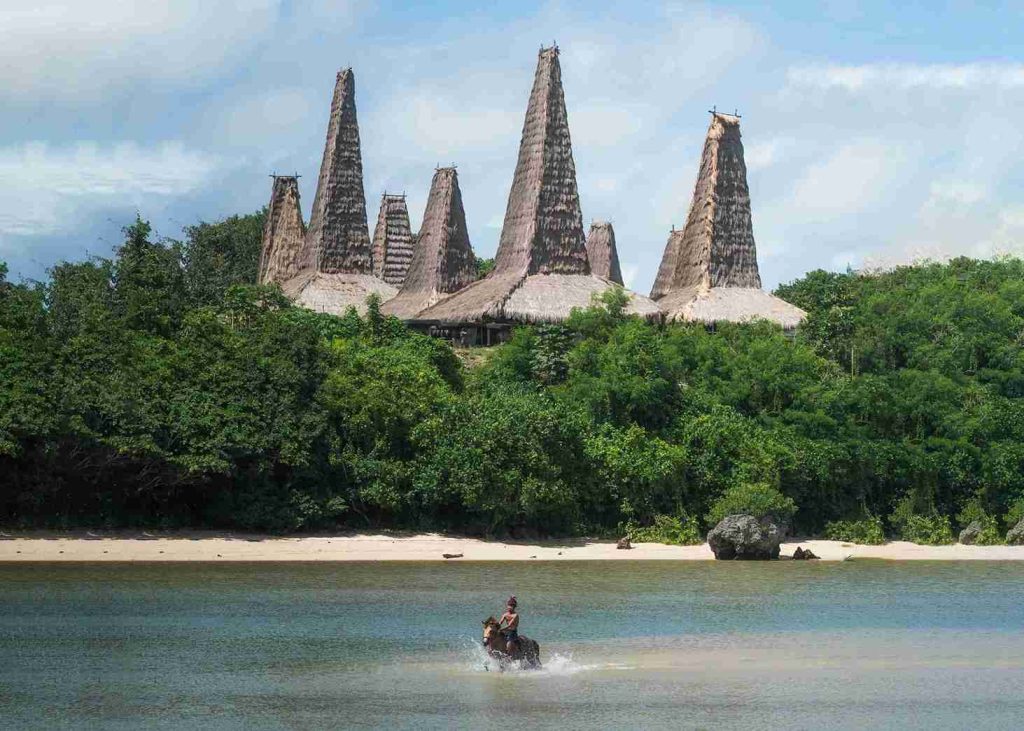
One of the highlights of Sumba’s cultural travel in 2027 is the exploration of its traditional villages. These villages, such as Prai Ijing and Ratenggaro, provide a glimpse into the daily lives of the Sumbanese people. Prai Ijing is situated in West Sumba and is known for its traditional houses with high peaked roofs, often reaching up to 15 metres. Ratenggaro, located near the coast, is renowned for its ancient megalithic tombs and traditional Sumbanese architecture. Here, visitors can observe traditional ikat weaving and stone carving, skills passed down through generations. Engaging with local artisans offers an authentic understanding of their craftsmanship. Ikat weaving, in particular, is a painstaking process that can take several months to complete a single piece, reflecting the dedication and skill of the weavers.
Sumba’s Vibrant Festivals
Sumba is renowned for its vibrant festivals, which are a cornerstone of its cultural identity. In 2027, the Pasola festival remains a must-see event. Held in February and March, this traditional horseback battle showcases Sumba’s warrior spirit and serves as a celebration of the harvest season. The festival takes place in various locations, including Wanokaka and Lamboya. During Pasola, two teams of horsemen, often numbering over 50, engage in a mock battle using blunt spears. Witnessing the Pasola offers insight into the island’s spiritual beliefs and communal traditions. The event is deeply rooted in Marapu, the indigenous religion of Sumba, which emphasises harmony with nature and ancestral worship.
Ancient Megaliths
Sumba’s landscape is dotted with ancient megalithic tombs, reflecting its rich ancestral traditions. These structures, found in sites like Anakalang and Lamboya, offer a window into the island’s past. Anakalang, located in Central Sumba, is particularly noted for its large stone graves, some of which weigh over 70 tonnes. These megaliths are not merely burial sites but are also seen as symbols of power and status within the community. Visitors interested in archaeology and history will find these sites compelling, as they explore the burial customs and beliefs of the Sumbanese people. The construction of these tombs involves the entire community, highlighting the importance of cooperation and social cohesion in Sumbanese society.
Heritage Tours Sumba
For those seeking a structured experience, heritage tours in Sumba provide an excellent option. These tours are designed to guide visitors through Sumba’s cultural highlights, ensuring a comprehensive understanding of its history and traditions. From guided village visits to festival participation, these tours are tailored to meet the interests of cultural enthusiasts. Tour operators often offer packages that include transport, accommodation, and meals, making it convenient to explore the island. Key activities include:
- Guided visits to traditional villages, where visitors can interact with local communities and learn about their way of life.
- Participation in local festivals, providing a deeper appreciation of Sumbanese customs and celebrations.
- Exploration of ancient megalithic sites, offering insights into the island’s historical and spiritual heritage.
- Workshops on traditional crafts, such as ikat weaving and stone carving, allowing participants to try their hand at these ancient arts.
Cultural Travel Sumba in 2027
Planning your visit to Sumba in 2027 requires thoughtful preparation. Ensure you have the appropriate attire and supplies by consulting our Sumba Island Tour Packing Guide. Lightweight, breathable clothing is recommended due to the island’s tropical climate, with temperatures averaging 30°C. Additionally, understanding local customs and etiquette will enhance your experience, as respect for traditions is paramount when engaging with the Sumbanese community. It is customary to greet elders with a bow and to remove shoes before entering homes. Visitors are also encouraged to learn a few basic phrases in the local language, Kodi or Kambera, to facilitate communication and show respect.
2027 Note
In 2027, Sumba continues to balance modern influences with the preservation of its cultural heritage. Increased awareness and sustainable tourism practices are being encouraged to protect the island’s unique traditions while allowing visitors to experience its cultural richness fully. Efforts include promoting eco-friendly accommodations and supporting local businesses. For more information on sustainable travel practices, visit our main page. By choosing to travel responsibly, visitors contribute to the preservation of Sumba’s cultural and natural heritage for future generations.
FAQ
What aspects of Sumba’s cultural heritage can be explored in 2027?
In 2027, visitors can explore Sumba’s traditional villages, vibrant festivals like Pasola, ancient megalithic sites, and participate in heritage tours that highlight the island’s rich customs.
When is the best time to visit Sumba for cultural experiences?
The best time to visit Sumba for cultural experiences is between February and March, during the Pasola festival, when you can witness traditional celebrations and rituals.
Are there any specific customs visitors should be aware of in Sumba?
Visitors should dress modestly, ask permission before taking photos, and be respectful of local customs and traditions to ensure a positive interaction with the Sumbanese community.
Keep reading
More from the journal.