Sumba Journal
Nihi Sumba: Prices, Reviews & Is It Worth It in 2027
8 min read
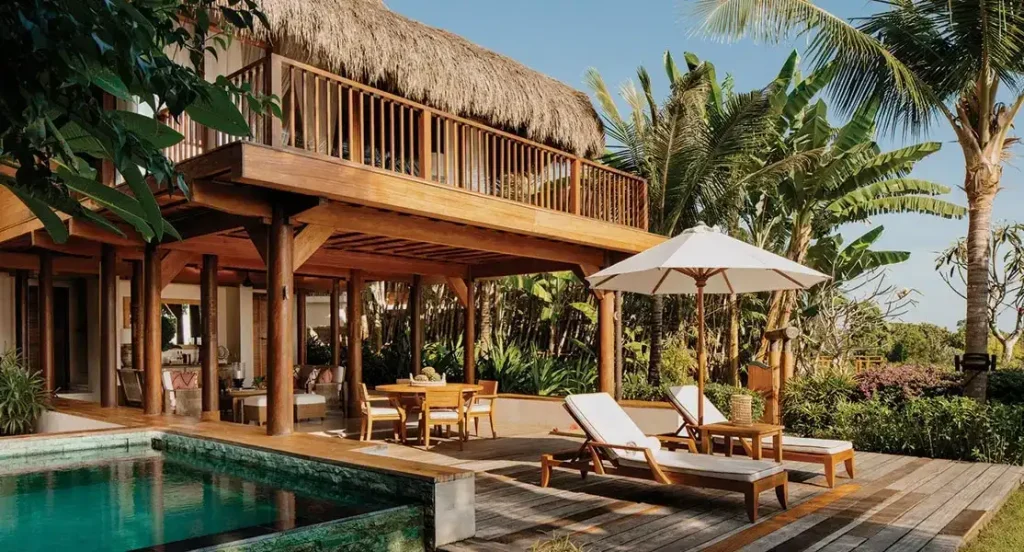
The short answer on Nihi Sumba price: nightly rates typically start from around USD 1,000+ per night (resort-published, seasonal), generally quoted full board — and for the right guest, it earns every dollar. Twice named the world’s best hotel by Travel + Leisure readers, Nihi remains Indonesia’s most storied resort. The honest caveat: it sits on one spectacular stretch of Sumba’s southwest coast, while the island’s megalith villages, savanna hills and waterfalls spread across a landmass almost twice the size of Bali. As a locally operated Sumba team that drives guests along the Wanokaka coast every week, we break down the real numbers below, what reviews actually say, and when a stay-and-tour combination gives you more island for less money in 2027.
How Much Does Nihi Sumba Cost Per Night?
Plan on nightly rates from roughly USD 1,000+ for entry-level villas, rising steeply through the categories to multi-bedroom estates. Pricing is seasonal: the June-to-September dry months — prime time for the surf break — and festive weeks command the top of the range, and minimum-stay policies of several nights often apply then. Two details soften the sticker. Rates are generally full board, folding in daily meals and a broad slate of resort activities, so the headline figure is closer to all-in than a city hotel’s room-only price. And you are paying for the estate itself: more than 500 acres of private beach, forest and rice terraces held by a single resort. What sits outside the rate — alcohol, spa treatments, surf slots and signature excursions — can add meaningfully to a final bill, so budget beyond the villa price.
What Do You Actually Get for the Money?
Nihi’s value rests on experiences you genuinely cannot buy anywhere else in Indonesia:
- The wave. Occy’s Left, the celebrated left-hander breaking in front of the resort, is capped to a small number of surfers per day — a privatised lineup that alone justifies the trip for committed surfers.
- The horses. Sumba’s sandalwood ponies are ridden along — and swum in — the bay at sunset, the image that made the resort’s name.
- Spa Safari. Guests trek or drive to the Nihioka valley for a day of treatments in open-air bales above an empty beach.
- A Nihi Sumba cultural excursion. Village visits arranged with resort guides introduce Marapu ritual houses and weaving sessions where artisans explain Sumba ikat patterns and their meanings, thread by thread.
- Purpose. The affiliated Sumba Foundation funds clinics, water wells and malaria programmes across West Sumba, and guests can visit projects or join beach cleanups in Sumba organised along this coast.
What Do Guest Reviews Really Say?
Read a few dozen recent reviews and clear patterns emerge. Guests consistently praise staff who remember names by day two, the villa privacy, the horses, and the feeling of staying somewhere with a conscience. The criticisms are just as consistent, and worth hearing before you commit: the resort is remote, with a road transfer of roughly 90 minutes to two hours from Tambolaka; extras accumulate quickly on top of the nightly rate; and travellers expecting polished, marble-lobby luxury sometimes find the barefoot style more rustic than the price implies. Almost nobody calls it ordinary. The real split is between guests who wanted exactly this — wild coastline, no crowds, purpose-driven hospitality — and those who realised too late that they wanted an island journey, not a single resort. That second group is who we built our combination trips for.
How Do You Get to Nihi Sumba?
Fly Bali to Tambolaka (TMC): daily flights take about 1 hour 15 minutes. From the airport, Nihi is a private transfer of roughly 90 minutes to two hours along the Wanokaka coast road. Waingapu (WGP), Sumba’s eastern airport, serves the savanna side of the island and suits overland routings rather than direct resort runs. A Sumba helicopter transfer to Nihi can be arranged through the resort at a premium, subject to weather and availability — though many guests find the drive, past rice terraces and high-roofed villages, the better introduction to the island. If you travel with us before or after your stay, your private guide handles the hand-off to the resort’s team directly.
Nihi vs Lelewatu vs Cap Karoso: Which Suits You?
A quick Sumba luxury resort comparison, because Nihi is no longer the only name at the top end. Lelewatu, perched above the same Wanokaka coastline, is the private-pool-villa alternative — quieter, honeymoon-oriented, and easy to pair with a Lelewatu resort overland combo or a Lelewatu resort sunset tour along the cliffs. Cap Karoso, in Kodi near Pero and Weekuri Lagoon, is the design-led newcomer: a working farm, a beach club, and a more social, contemporary energy. If you are weighing eco vs conventional hotel choices in Sumba, all three lean sustainable by mainstream standards, but Nihi’s foundation work and Cap Karoso’s farm programme run deepest. Broadly: surfers and milestone-trip guests choose Nihi, honeymooners choose Lelewatu, design-minded couples choose Cap Karoso — and the latter two sit in the premium-boutique tier below Nihi’s rates.
Is Nihi Sumba Worth It in 2027? Our Honest Verdict
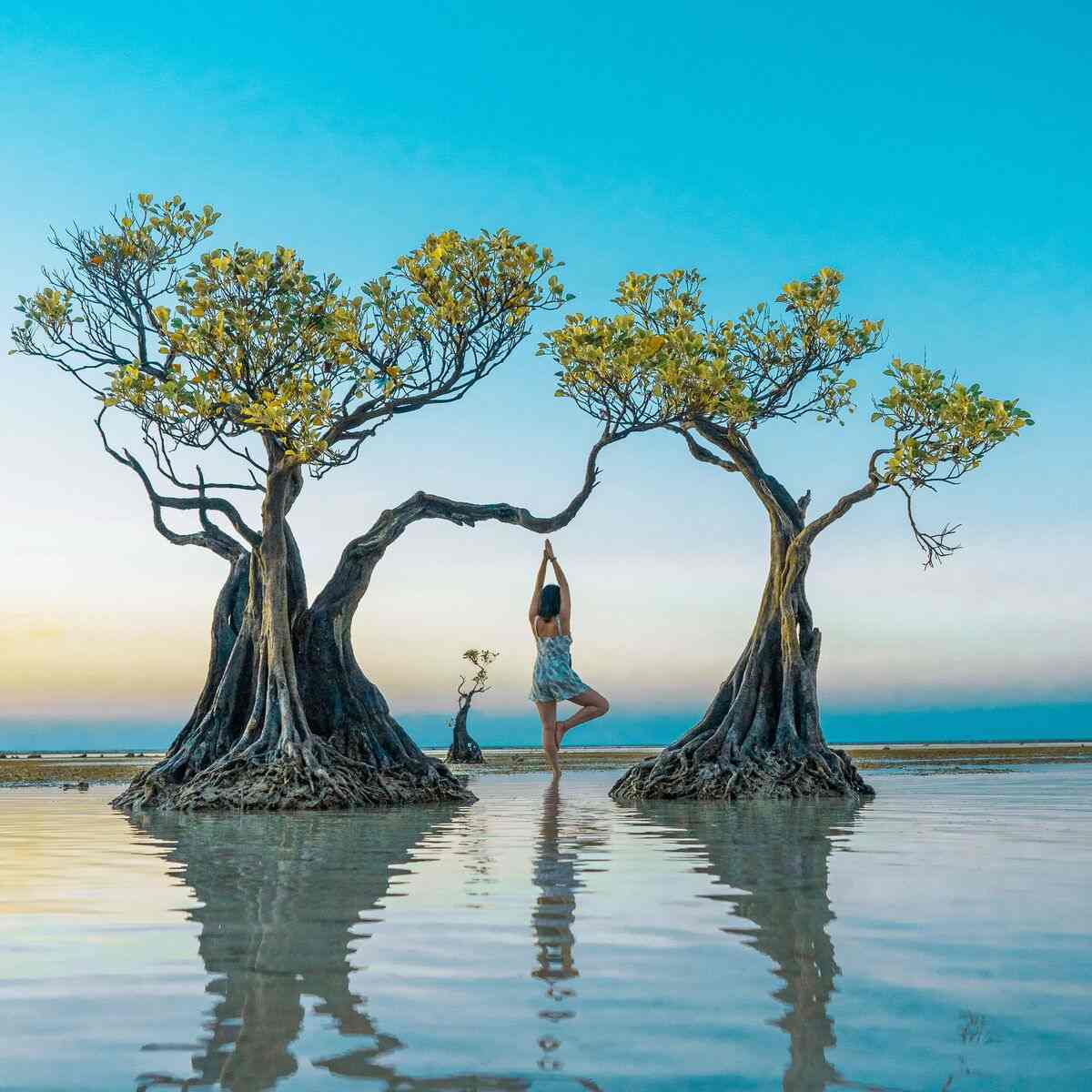
Worth it: for a milestone trip, for surfers who want that wave, for couples who value privacy over polish, and for anyone who likes their spend funding clinics and wells rather than chandeliers. Think twice: if this is your only week in Indonesia and you want to see Sumba itself. From Nihi you will not casually reach Wairinding’s savanna hills, Walakiri’s dancing mangroves or Tanggedu canyon — they are half-island drives away. Booking five nights at the resort and expecting to see Sumba from it is the single most common planning mistake we correct for guests.
The Smarter Play: Pair the Resort with an Overland Tour
Our advice as locals: see the island first, then arrive at the coast with sand already in your shoes. A Sumba overland tour from Tambolaka to Waingapu covers the villages, hills, waterfalls and beaches with your private guide, from USD 390–700 per person for 4D3N or USD 570–1,020 for 6D5N (as of August 2026, subject to season and group size) — mirroring the published rates of our partner Indonesia Juara Trip’s Sumba 4D3N tour. Prefer the resort as your finale? Our Sumba resort stay & tour combos stitch two or three touring days to closing nights at Nihi, Lelewatu or Cap Karoso, with every transfer handled. A private car with an English-speaking driver-guide runs from about USD 60–90 per day if you would rather shape your own route.
Practical Notes Before You Book
English is fluent inside the resorts, but language barrier issues in Sumba are real once you step into markets and villages — one more argument for a local driver-guide who also navigates betel-nut etiquette and knows when a village is holding ceremonies. Culturally, expect Sumba’s Christianity and animism mix: most islanders are Christian on paper while Marapu ancestral practice still shapes houses, tombs and festivals, and respectful guests are warmly received in both worlds. On money: resorts bill in USD; for touring we issue written confirmations and staged invoices, which keeps tracking tour payments for Sumba simple even when you combine flights, resort and land arrangements. Finally, book early for 2027 — villa inventory across the island is tiny, and with investors now scouting Sumba real estate for eco lodges, demand is rising faster than rooms are being built.
Speak to our Sumba travel advisor for a straight answer on dates, rates and which combination fits your trip: WhatsApp +62 811-994-1919 or email sales@indonesiajuara.asia. Operated with Indonesia Juara Trip — high-end local Sumba expertise, part of Juara Holding Group — since 2015.
Keep reading
More from the journal.