Sumba Journal
Sumba Eco‑Trekking And Village Stays Roadmap 2027
9 min read
Sumba eco trekking and village stays roadmap 2027 focuses on three priority corridors, 14 community-run homestays, and at least 9 low‑impact trekking routes formally mapped by local partners by June 2027. Hikers can already combine eco trails, Sumba social enterprise homestays, and guided cultural immersion in 3–10 day itineraries with transparent pricing and clear logistics.
Which eco‑trekking areas and village stays are realistic for 2027 hikers?
By 2027, travelers can expect three clear eco‑trekking corridors on Sumba: East Sumba waterfalls, Central highlands, and Southwest coastal hills. Each corridor combines short hikes (1–3 hours) with community‑run rooms and basic eco‑lodges. As of August 2026, at least 14 Sumba social enterprise homestays are already active or in pilot stages with village cooperatives.
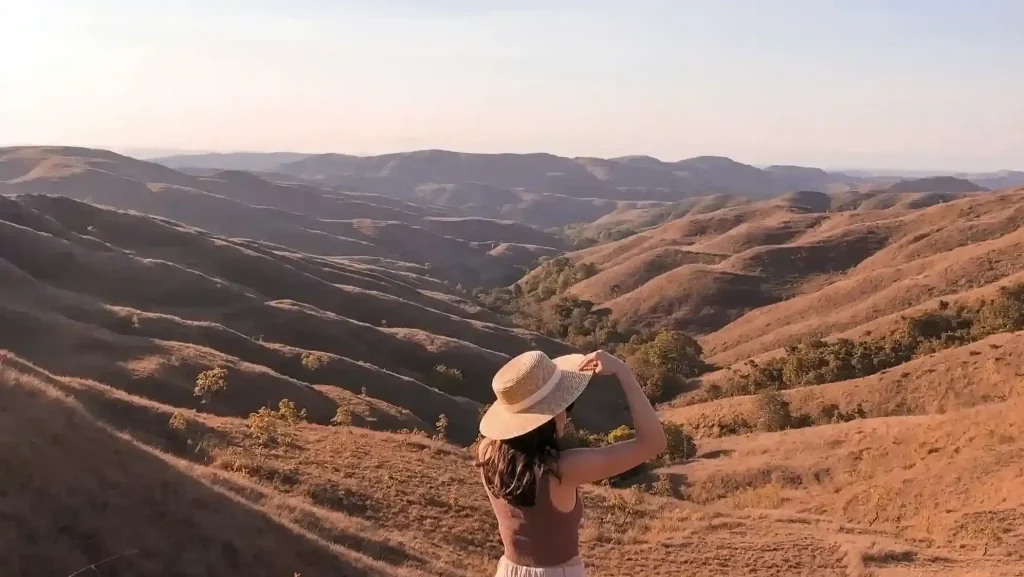
The roadmap for sumba eco trekking and village stays roadmap 2027 prioritizes low‑impact trails that use existing village paths instead of new cuts through forest or savanna. For example, the tangarara hill trekking tour in Southwest Sumba now includes a village‑led sunrise walk and traditional snack stop at one megalithic courtyard, on paths used by locals for generations.
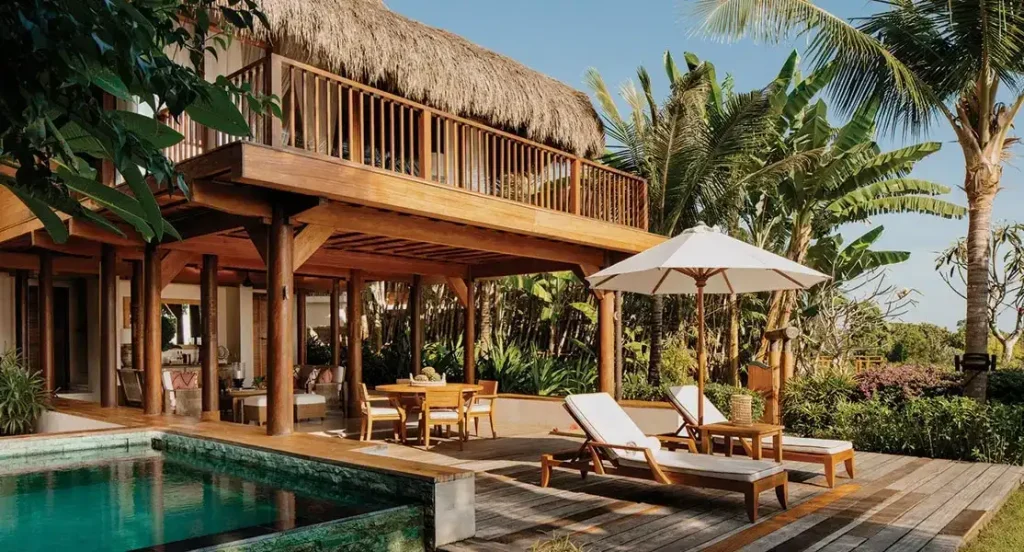
In East Sumba, the tanggedu waterfall trekking tour is gradually re‑signed with simple wooden wayfinding markers and trash points, supported by local youth groups. Homestay clusters within 30–45 minutes’ drive of these trailheads allow 2027 guests to stay in thatched houses upgraded with private mosquito nets, lockable doors, and shared but tiled bathrooms.
Eco itineraries can be booked as custom trips or as part of structured products like the 7d6n sumba explorer program, which links two to four treks, three villages, and at least one cultural evening hosted by the community rather than hotel staff.
How will eco lodges, homestays, and payment work for 2027 stays?
Community‑run lodging is developing alongside simple ecolodges and small resorts. Sumba eco lodge stays and tours generally offer 6–20 rooms, solar‑assisted lighting, and limited air‑conditioning hours to reduce power use. As of August 2026, mid‑range ecolodges commonly price rooms between IDR 800,000 and 1,800,000 per night, depending on season and location.
Village homestays cost less: IDR 250,000–600,000 per person including breakfast and simple dinner, agreed in advance with local hosts and operators. A portion of each night’s fee is earmarked for village funds to improve water, waste management, or school materials, making them true Sumba social enterprise homestays rather than informal rentals.
To make planning smoother, agencies are expanding options for sumba tour pay by credit card. Online card payments are usually processed in Indonesian Rupiah, and international visitors sometimes compare costs using references such as Bank Indonesia’s exchange indicators. For example, Bank Indonesia’s JISDOR reference showed USD/IDR around 17,960–17,999 per dollar during 1–6 July 2026, illustrating recent currency levels.
Card acceptance on the ground is still limited, so mixed payment (deposit by card, local cash on arrival) remains practical. Travelers should monitor atm availability in sumba island because ATMs are concentrated in larger towns like Waingapu and Tambolaka; rural villages rarely have machines or card terminals.
What will Sumba eco‑trekking look like across seasons and budgets?
Sumba’s drier months, typically May–October, suit longer treks and dirt‑road transfers. However, low season sumba island discounts from November to March can make eco travel more affordable, especially for longer itineraries and small groups. As of August 2026, many operators apply 10–25% reductions on guiding fees or vehicle costs in the wet months, though room rates often move less.
Trail planning for the sumba eco trekking and village stays roadmap 2027 aims to keep most daily walks under 4–5 hours, with optional extensions for stronger hikers. A Sumba waterfall tour in 2027 may combine a 90‑minute descent to a pool, 2–3 hours of relaxed time around the river, and a village‑prepared lunch before returning to an eco‑lodge or homestay.
Budget‑minded hikers can join set departures or shared transport days, while higher‑budget travelers may upgrade to private vehicles and more spacious ecolodges. Articles such as the bali based investors guide to sumba in 2027 also highlight how growing eco‑demand is encouraging small‑scale hospitality investments rather than high‑density complexes.
Photography‑oriented guests can pair trekking with a Sumba Island Photography Tour, timing hikes for early morning or late afternoon light. For premium travelers wanting both comfort and soft adventure, a curated Luxury Sumba Island Tour can still include village walks, short eco‑trails, and private cultural encounters while maintaining higher accommodation standards.
How accessible will eco trekking be for seniors, kids, and less active travelers?
By 2027, operators expect clearer grading of Sumba routes by duration, surface, and ascent, which benefits families and older visitors. A growing share of itineraries is tagged as sumba tour for seniors and low mobility, focusing on short transfers from the vehicle to scenic lookouts, easier village paths, and riverside spots with minimal scrambling.
For example, some versions of the tangarara hill trekking tour can be shortened to a 20–30 minute, gently sloping walk from a 4×4 drop‑off point, timed for sunrise or sunset. The tanggedu waterfall trekking tour will likely continue to require sturdier footing, but support staff and extra handrails are being discussed in community meetings as of August 2026.
A reliable sumba chauffeur service is central to accessibility. Drivers using road‑tested vehicles can adapt routes to avoid rougher tracks after heavy rain, or break journeys with more rest stops. Seniors and travelers with reduced mobility often combine one light walk every second day with slower cultural experiences: weaving demonstrations, megalithic grave visits, or village storytelling evenings.
Families with younger children usually favor itineraries of 4–6 nights with at least two non‑trek days, using eco lodges that provide simple pools or larger garden spaces, and village stays where kids can interact with local peers under supervision.
How will eco trekking support community income and organized groups by 2027?
Community benefit is central to the 2027 plan. Sumba eco trekking and village stays roadmap 2027 calls for each homestay cluster to have a transparent village‑level agreement covering room allocations, guiding rotations, and contributions to shared funds. As of August 2026, several pilot villages are already experimenting with 10–15% of nightly revenues going to joint projects such as waste sorting points or water tanks.
Small‑group trips remain the best way to keep encounters personal while making village operations viable. Popular formats include the 7d6n sumba explorer program with a maximum of 10–12 guests, which makes scheduling and guiding simpler. Corporate groups and remote‑team leaders are also starting to book company offsite sumba island tour programs, typically mixing one full eco‑walk, a half‑day village interaction, and two indoor workshop days.
These offsites often stay in eco lodges and spend at least one night in Sumba social enterprise homestays to ensure direct income to rural families. Operators coordinate transport, interpretation, and insurance, while villages decide how many households participate and what cultural content feels appropriate for outsiders.
Sustained demand, combined with careful group size management, should help Sumba’s rural communities earn from tourism without losing control of their land or rituals, provided travelers respect local etiquette and accept that some areas remain off‑limits or photography‑restricted.
- Typical eco‑trekking day: 2–5 hours walking, 200–400 meters total ascent, plus 60–120 minutes road transfer between sites.
- Document checklist: passport photo page, travel insurance proof, offline copy of itinerary, and emergency contact list in English and Indonesian.
- Vehicle specs: most rural transfers use 4×4 or high‑clearance vehicles; capacity 4–6 guests per car plus luggage.
- Standard village dinner: rice, seasonal vegetables, local fish or chicken, with vegetarian options by prior request.
- Guiding ratio: usually 1 licensed guide per 6–8 hikers, plus 1–2 local trail assistants on steeper or river routes.
- Suggested daily tipping range (as of August 2026): IDR 70,000–150,000 per traveler for a full‑day driver‑guide team.
- Recommended booking window for peak dry season: 3–6 months in advance for eco‑lodges, 4–8 weeks for village stays.
Frequently asked questions
how strong is the sun in sumba
Sumba sits just south of the equator, so UV levels are high year‑round, often comparable to or stronger than Bali’s mid‑day sun. Expect intense exposure between 10:00 and 15:00, especially on open hills and savanna. Use SPF 30–50 sunscreen, a wide‑brim hat, sunglasses, and long, light clothing for all treks.
is sumba eco trekking and village stays roadmap 2027 worth it in Bali?
Bali‑based travelers gain access to quieter trails, living megalithic traditions, and less commercialized homestays within a short domestic flight. For residents or longer‑stay visitors in Bali, Sumba adds a contrasting, drier landscape and deeper village engagement. Coordination from a Bali hub also simplifies onward travel, payments, and language support.
what is included in sumba eco trekking and village stays roadmap 2027?
The roadmap refers to a style of travel, not a single fixed product. Typical inclusions are guided eco‑treks, village‑based homestays or ecolodges, private or shared transport with a sumba chauffeur service, most breakfasts and selected dinners, and community fees. Exclusions usually cover flights, some lunches, personal shopping, and optional cultural donations.
How does atm availability in sumba island affect eco‑trekking plans?
ATMs are concentrated in main towns such as Waingapu and Tambolaka, with few or none near remote villages or trailheads. Travelers should withdraw sufficient cash before leaving town and carry smaller notes for village purchases and gratuities. Card payments are still rare in rural areas, so do not rely on them for daily expenses.
What are normal sumba tipping driver and guide amounts for eco tours?
Tipping is discretionary but appreciated. As of August 2026, common practice on multi‑day eco itineraries is around IDR 70,000–150,000 per traveler per full day, shared between driver and guide. Guests may give more for exceptional service or demanding treks. Tips are best handed in cash at the end of the journey or key segments.
To plan a tailored eco‑trekking and village‑stay journey or explore current Sumba Island Tour Packages, contact the BD desk (part of Juara Holding Group since 2015) via WhatsApp 628119941919 or email sales@indonesiajuara.asia.
Last updated 1 August 2026
Keep reading
More from the journal.