Sumba Journal
Sumba Climate Resilience And Tourism By 2027
8 min read
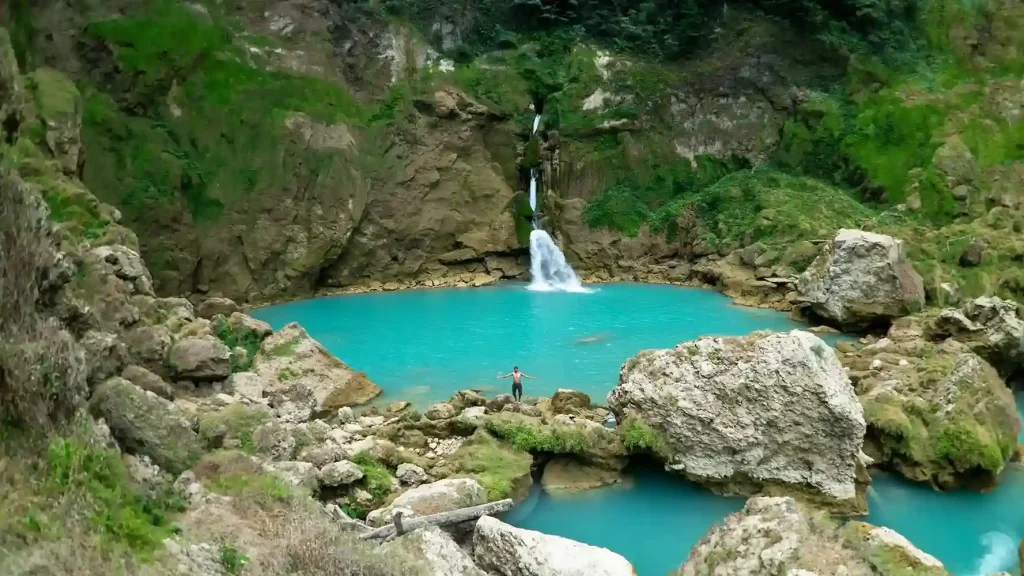
Sumba Island climate resilience and tourism by 2027 means shorter, sharper rainy seasons and slightly longer dry periods, shifting trip planning by 4–6 weeks compared with a decade ago. By 2027, many classic itineraries will likely move “peak season” for waterfalls and rice fields to February–April, and dry‑season beach programs to late June–October.
How are Sumba’s changing rains reshaping classic itineraries through 2027?
By 2027, the biggest practical change for visitors is timing, not destination. Local guides report the main wet season gradually sliding later, with heavier rainfall concentrated between January and March instead of starting reliably in November. This matches wider Indonesian patterns where rainy onsets have shifted by several weeks over the last decade.
For a 3d2n classic Sumba itinerary, this means greener scenery and fuller rivers in February–April, yet more washed‑out afternoons if you schedule too many road transfers in one day. The same three days that once focused on dry savannah and sunset beaches in July may, in 2027, be better used for village culture, short treks, and photography of misty hills in March.
Tour planners are already restructuring Sumba island tours into more seasonally flexible modules: coastal sunset days that work almost year‑round, interior waterfall treks that are front‑loaded in late rainy season, and cultural mornings that can be swapped around if heavy clouds roll in. This modularity builds climate resilience into each departure rather than betting on “old normal” weather.
Which months will be best for waterfalls, canyons, and rice terraces by 2027?
For water‑focused trips, the sweet spot is narrowing. Local experience shows that Sumba waterfall and canyon trek programs are now safest and most scenic between late February and mid‑May. Earlier than that, flash floods and muddier access tracks are more common; later in the year, some smaller falls slow to a trickle.
As of August 2026, guides are already adjusting departure times, starting canyon walks as early as 06:30 to avoid the heaviest mid‑afternoon showers that satellite data shows peaking around 14:00–17:00 in peak wet months. Expect itineraries to keep this early‑start pattern through 2027, with safety briefings playing a bigger role than a decade ago.
For photographers and those booking a Sumba Island Photography Tour, this seasonal compression actually helps planning. There is now a clearer trade‑off: visit between February and April for dramatic skies, full rivers, and bright green rice paddies around places like Waikabubak; or choose July–September for dry, golden hills, easier access roads, and lower humidity. Sumba island climate resilience and tourism by 2027 is essentially about helping guests understand and choose between these two evolving “faces” of the island.
How will climate resilience influence 3–8 day Sumba itineraries and pricing?
As rainfall patterns sharpen, more tours include buffer time and local backup options. A 3d2n classic Sumba itinerary now often keeps one “flex block” of 3–4 hours that can switch between a village visit, short hike, or indoor Sumba coffee tasting tour if thunderclouds build. On longer programs, this becomes even more important.
The 8 day Sumba Island Discovery style trips are likely to evolve into climate‑smart loops: two or three nights on the drier southwest coast, two inland, and two in the east, so a single storm system does not wash out an entire week. Programs also increasingly build in optional Sumba secret beach picnic experience days in the drier months of June–October, when wave and wind patterns tend to be calmer.
In terms of Sumba Island tour prices, climate resilience usually adds cost through extra vehicles on standby, more experienced guides, and added safety equipment. As of August 2026, that can mean an increase of roughly 5–15% compared with bare‑bones packages, depending on group size and season. However, stronger planning also reduces the risk of last‑minute cancellations or expensive reroutes, which protects both guests and local operators in a period of more unpredictable weather.
Will transport, guides, and activities need to change by 2027?
Road conditions are heavily affected by intense rain bursts. Steeper dirt sections that were passable year‑round now sometimes become rutted after two or three consecutive downpours. By 2027, many Sumba island tours are expected to rely more on high‑clearance vehicles and flexible routing, especially in February and March.
Visitors booking via a Sumba island tour operator website should look for clear wet‑season policies: how often itineraries are reviewed, what happens if a bridge is under repair, and how last‑minute route changes are communicated. Robust partners will already have standing arrangements with transport providers, including options such as Sumba Island Car And Driver Hire for custom reroutes or private upgrades when needed.
On the adventure side, some activities are being shortened rather than cancelled. A full‑day Sumba waterfall and canyon trek might be split into two half‑days around the same base town, with the guide choosing the safer slot 24 hours before departure based on current river levels. Likewise, Sumba motorbike rental and guide services are adapting: more emphasis on helmets, rain gear, and “Plan B” cultural stops if trails become too slippery.
How will families, groups, and impact‑minded travellers adapt their Sumba plans?
Families and corporate groups tend to be more risk‑averse and more sensitive to last‑minute changes. For a family Sumba island tour, planners increasingly recommend April, June, or September as “balanced” months: enough greenery left, but lower chance of all‑day storms. Program design might swap deep canyon hikes for shorter village walks and a carefully timed Sumba secret beach picnic experience with lifeguard‑trained staff.
For groups, Sumba team building activities are moving toward mixed indoor‑outdoor setups. A morning coastal challenge might be backed by an afternoon workshop in a village hall, allowing the session to continue productively if a heavy shower builds. Climate‑aware facilitators are designing games that integrate real environmental themes such as water scarcity and forest protection.
Impact‑minded travellers are also aligning dates with community projects that directly support resilience, such as water access or reforestation. Those interested in deeper engagement can explore programmes described in our page on sumba volunteer and impact travel opportunities 2027, which outline how short‑term visitors can support long‑term adaptation. By 2027, these impact elements are expected to be far more common within mainstream Sumba island tour offerings, not just niche trips.
- As of August 2026, typical climate‑aware itineraries add 1–2 flexible half‑days to allow for weather‑related adjustments without cutting headline highlights.
- Many Sumba island tour including meals packages specify at least breakfast and one main meal daily, reducing the need to search for food during sudden showers.
- Payment options are diversifying, with several operators allowing guests to confirm and Sumba tour pay by Wise or Revolut for easier foreign currency transfers.
- For transport resilience, contracts often include backup vehicles on standby and clear reroute procedures, especially in peak rainy months.
- Guests are usually asked to carry light waterproofs, quick‑dry clothing, and sandals that can get wet on waterfall days.
- Investment‑curious visitors can combine scouting with climate‑aware travel via a dedicated Sumba Island Investment Tour.
Frequently asked questions
are there dangerous animals in sumba
Sumba does not have large predators like tigers or wild elephants. The main concerns are practical: some snakes, dogs around villages, and marine creatures such as sea urchins or occasional jellyfish. Guides manage risk by choosing safer swimming spots, avoiding tall grass at dusk, and giving clear safety briefings on every Sumba island tour.
is sumba island climate resilience and tourism by 2027 worth it in Bali?
For travellers already in Bali, adding climate‑aware Sumba travel makes strong sense. Flight times are short, yet landscapes and culture are very different. By 2027, more structured resilience planning means better‑timed activities, clearer rainy‑season expectations, and improved logistics. This reduces weather‑related stress and increases the value of every extra day spent beyond Bali.
what is included in sumba island climate resilience and tourism by 2027?
In practice this means itineraries that include contingency time, safety‑trained local guides, updated weather‑aware routing, and clear communication. Many packages add essentials such as daily transport, selected meals, drinking water, and entrance fees. Some also integrate educational elements like a Sumba coffee tasting tour or short climate‑focused village walks to explain local adaptation efforts.
How do climate trends affect Sumba Island tour prices?
Climate adaptation adds planning costs: extra scouting trips, backup transport, and better‑trained guides. As of August 2026, this typically increases Sumba Island tour prices by around 5–15% compared with minimalist options, depending on group size and season. In exchange, travellers get more reliable execution, safer routes, and fewer last‑minute cancellations due to heavy rainfall or road damage.
Can photographers still rely on classic Sumba light and landscapes by 2027?
Yes, but timing is more critical. The green, cloud‑dramatic look is concentrating in February–April, while the dry, golden savannah feel leans toward July–September. Photographers are best served by booking a dedicated Sumba Island Photography Tour that is explicitly timed around shifting sunrise, sunset, and rainfall patterns, maximizing productive shooting hours.
To plan a climate‑aware Sumba itinerary from Bali or abroad, contact the BD desk of Juara Holding Group (part of Juara Holding Group — since 2015) via WhatsApp 628119941919 or email sales@indonesiajuara.asia for current schedules and custom options.
Last updated 1 August 2026
Keep reading
More from the journal.