Sumba Journal
Sustainable Tourism Projects In Sumba For 2027
9 min read
Sumba Island is preparing at least 7 major sumba island sustainable tourism projects 2027, ranging from village-based regenerative tours to reef restoration and reforestation activities. For eco-conscious visitors, this means more transparent carbon-positive itineraries, community-owned homestays, and curated routes that actively fund clean water, forest corridors, and coastal conservation.
What are the main Sumba Island sustainable tourism projects 2027 that eco‑travellers can join?
By 2027, visitors will be able to directly join at least seven structured sumba regenerative tourism projects coordinated with local villages and NGOs. These include reforestation walks, water access initiatives, waste reduction pilots, coastal reef protection, and heritage safeguarding in traditional villages across East and West Sumba. Most projects are planned to go fully bookable in early 2027.
Evidence of this shift already appears in 2026 feasibility documents for eco-lodges and village treks, plus the growing demand from Bali-based travellers for the best rated Sumba Island tours that include a measurable positive impact. Many itineraries now quote carbon-aware transport plans and village benefit-sharing percentages, especially in programs that merge Sumba reforestation tour activity blocks with cultural experiences and beach days.
These sumba island sustainable tourism projects 2027 are being designed to integrate with standard holiday patterns—such as a 5–7 day trip from Bali—without compromising comfort. For guests combining a cheap Sumba Island tour with impact, this means staying in simple but well-managed eco lodges, using low-emission transportation where possible, and spending more days in fewer locations to reduce travel footprint across the island.
How do regenerative tours in Sumba work in practice for visitors coming from Bali?
Regeneration in Sumba is not just a slogan; it shows up in how tours are timed and where money flows. Many 2027 itineraries aim to direct at least one full day of every 4–5 day stay into sumba regenerative tourism projects such as assisted tree planting, nursery visits, or supporting village-led composting and recycling hubs.
For example, a dry-season (May–October) visit might combine a Sumba dry season tour package with early-morning visits to water sources, learning how wells and gravity-fed systems are maintained, and then joining local teams to plant shade trees along walking paths. This kind of Sumba reforestation tour activity is designed to be low-impact physically, suitable for families, yet high-impact for the landscape.
Pricing varies by inclusion and comfort level. As of August 2026, mid-range Bali-to-Sumba trips that include regenerative components typically fall between the equivalent of USD 750–1,400 per person for 5–7 days, depending on group size and exchange rates. According to Bank Indonesia’s July 2026 data, mid-market USD/IDR exchange rates hover around IDR 17,900–18,000 per USD, so price swings are possible from currency movement alone.
Can eco-conscious guests still enjoy comfort, resorts, and VIP experiences in Sumba?
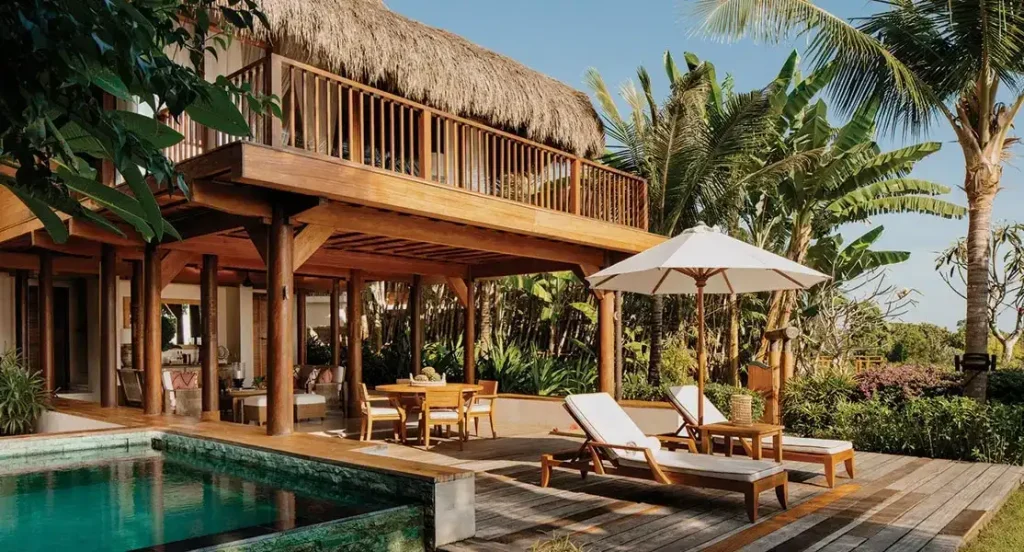
Eco-conscious travel in Sumba does not mean sacrificing comfort. Several resorts and villas are currently under review through a sumba eco resort feasibility tour process, where 2027 investors and guests test water treatment, waste systems, and local hiring practices. This is closely related to broader regional planning reflected in forward-looking content such as the luxury sumba retreats and villas forecast 2027.
For high-end clients, a curated Sumba Island VIP tour experience in 2027 is expected to blend low-volume, high-value stays with private guides who specialise in cultural protocol, regenerative activities, and conservation. Some itineraries will pair villa stays with a Sumba sailing charter tour, using smaller vessels and low-waste provisioning, while directing part of charter fees to reef monitoring and mooring maintenance.
Those who prefer simpler stays can still choose a cheap Sumba Island tour that uses guesthouses, homestays, or eco-hostels but follows the same sustainability guidelines. By 2027, the best Sumba Island tour options will likely be rated not only on comfort and scenery but also on measurable contributions to local livelihoods, reforestation plots, and marine protection zones.
How will transport, scooters, and sailing be managed sustainably across Sumba in 2027?
Transport is a major component of Sumba’s environmental footprint, so 2027 plans focus on smarter routing and lighter vehicles. Many itineraries are being redesigned to reduce daily driving distances and encourage slow travel. This includes cluster-based routes in West and East Sumba, where travellers explore nearby beaches, villages, and hills from a single base.
For independent explorers, sumba scooter rental for touring is increasingly available around the main towns. By 2027, more operators intend to provide helmets, basic safety briefings, and route maps that avoid erosion-prone dirt tracks and sensitive conservation areas. Guests who are not comfortable riding themselves often opt for guided motorbike tours, which keep emissions relatively low while still reaching remote viewpoints and traditional villages.
Ocean-wise, the expansion of Sumba sailing charter tour experiences will be tied to mooring use instead of anchoring on coral, plus stricter waste protocols on board. Charter programs piloted in 2026 show that small groups—usually 4–8 guests—can combine snorkelling, village visits, and overnight anchorages while contributing to reef monitoring or beach clean-ups as part of the itinerary.
How can travellers from Bali actually join or support these sustainable projects in 2027?
Most eco-conscious visitors will start by choosing an itinerary that includes at least one structured project day. To reach Sumba from Bali, travellers typically fly from Denpasar to Tambolaka or Waingapu, then join pre-arranged transfers. A dedicated Bali to Sumba Island tour page helps compare routes and see which departure dates align with 2027 project schedules.
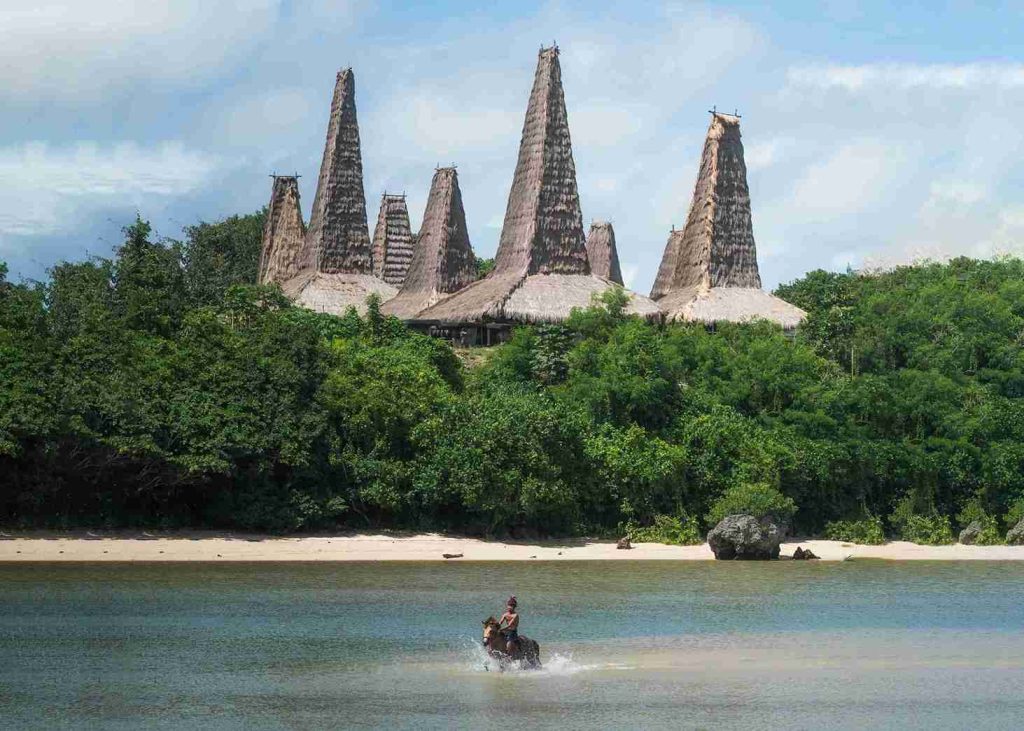
Prospective guests often ask for a “sumba eco tour near me” and expect short, half-day excursions. What Sumba offers instead in 2027 is more immersive: visits to weaving cooperatives that use natural dyes, guided walks through food forests, and overnight stays that channel a portion of the fee into village funds. Digital workers based in Bali or Indonesia can also explore medium-stay options through resources like the sumba island digital nomad and remote stay guide 2027, which connects remote work stays with ongoing sustainability efforts.
To actually commit, many visitors now prefer to book Sumba Island tour on website platforms before leaving Bali. This allows operators to coordinate village capacities, tree-planting stock, and sailing slots ahead of time, reducing last-minute pressure on local communities and ecosystems.
How do seasonal packages and special occasions tie into sustainability in 2027?
By 2027, seasonal and special-occasion travel in Sumba is expected to weave sustainability into celebration-focused itineraries. For instance, a Sumba anniversary celebration tour may include a private ritual blessing in a traditional village and a tree-planting session dedicated to the couple, documented with GPS coordinates and follow-up photos from local partners.
Christmas in Sumba Island tour options are likely to attract Bali-based families and groups seeking quieter year-end breaks than the major tourist hubs. Dry season and shoulder-season departures are usually better for accessing hilltop viewpoints and dirt-road villages, but well-curated Sumba dry season tour package options are being designed to avoid overcrowding in a few overvisited waterfalls and beaches.
For long-stay or repeat guests, operators are beginning to integrate technology-based planning tools, similar in concept to the regional shift toward ai powered trip planning for sumba tours in 2027. This can help match visitors with the right village partnerships, project needs, and celebration formats without overloading specific communities or fragile environments.
- Typical project visit length in 2027: 3–6 hours per day, with clear briefing and debriefing sessions.
- Recommended stay: 5–8 days to meaningfully join at least two different Sumba regenerative tourism projects.
- Indicative cost: around IDR 11–25 million per person for multi-day sustainable packages as of August 2026, varying by comfort level and exchange rates.
- Group sizes: usually 4–10 guests for project days to avoid overwhelming host villages.
- Key documents: passport copy, domestic flight e-ticket, basic travel insurance confirmation, and any pre-arranged consent forms for project participation.
- Transport: pre-booked car with driver, optional sumba scooter rental for touring, and limited small-boat or sailing charter segments.
- Accommodation mix: eco-lodges, homestays, or mid-range resorts participating in sustainability audits for 2027.
Frequently asked questions
how to call ambulance in sumba
Emergency medical response in Sumba is still developing, so preparation is important. The national emergency number in Indonesia is 112 in many areas, but coverage can vary. Visitors should also keep the phone numbers of their hotel, local guide, and nearest clinic or hospital, and have travel insurance that includes medical evacuation if needed.
is sumba island sustainable tourism projects 2027 worth it in Bali?
For travellers already in Bali, joining Sumba Island sustainable tourism projects 2027 adds depth and purpose to an Indonesia trip. Flight times from Bali are relatively short, and the experience contrasts sharply with busy resorts. Guests can enjoy beaches and culture while actively supporting reforestation, clean water, and village livelihoods through structured project days.
what is included in sumba island sustainable tourism projects 2027?
Most 2027-oriented programs include guided project visits (such as tree planting or village-based conservation), accommodation, local transport, some meals, and contributions to community funds. Exact inclusions vary: some packages add sailing segments, scooter touring, or cultural ceremonies. Travellers should ask for a written breakdown of activities, donations, and carbon-conscious transport choices before booking.
Can I still find the best rated Sumba Island tours if I travel on a budget?
Yes. Budget-conscious travellers can choose a cheap Sumba Island tour that stays in homestays or simple guesthouses while following the same sustainability principles as higher-end trips. Reviews increasingly highlight impact as well as comfort, helping guests find the best rated Sumba Island tours that balance fair pricing, safety, cultural respect, and measurable environmental benefits.
How do I choose the best Sumba Island tour for my travel style?
Start by clarifying trip length, comfort level, and how many project days you want. Families might prefer slower itineraries with gentle walks, while active travellers combine treks, reef visits, and scooter touring. Ask operators for sample schedules, safety protocols, and community partnerships so you can confidently select the best Sumba Island tour for your goals.
To discuss 2027 Sumba sustainability itineraries from Bali, request sample schedules, or customise VIP and celebration packages, contact the BD desk at Juara Holding Group via WhatsApp 628119941919 or email sales@indonesiajuara.asia.
Last updated 1 August 2026
Keep reading
More from the journal.