Sumba Journal
Best Time To Visit Sumba Island For A Tour
6 min read
Defining Sumba Island’s Appeal
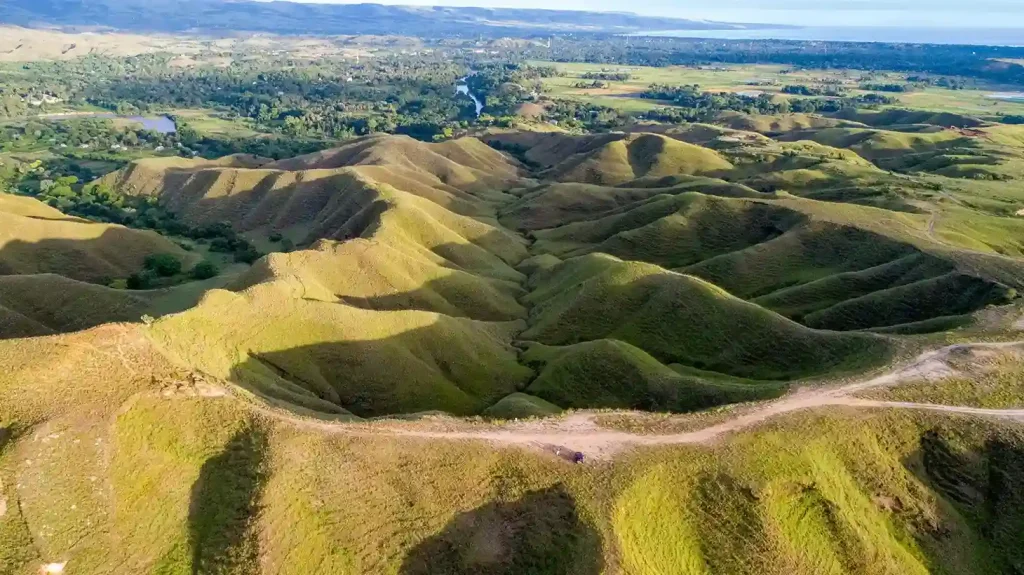
Sumba Island, a hidden gem in Indonesia, offers pristine beaches, rich cultural heritage, and breathtaking landscapes. The best time to visit Sumba Island largely depends on your interests, diving, surfing, or exploring its waterfalls. With the right planning, your experience can be tailored to the island’s unique climate.
Understanding Sumba’s Climate Throughout the Year
Sumba Island has a tropical climate characterized by a distinct wet and dry season. The dry season runs from April to October, while the rainy season spans November to March. Each season offers a different experience, affecting your activities and travel plans.
- Dry Season: This is the prime time for beach activities, diving, and outdoor exploration. The weather is generally more predictable, with less rainfall and plenty of sunshine.
- Rainy Season: Although this period sees more rain, it can still be worthwhile for those interested in lush landscapes and fewer crowds. You may also find that some accommodations and tours offer lower rates during this time.
Best Months to Visit Sumba Island
When planning your trip, identifying the sumba island best month to go can make a significant difference. Here’s a month-by-month breakdown of the island’s weather:
| Month | Average Temperature (°C) | Rainfall (mm) | Activities |
|---|---|---|---|
| January | 28 | 292 | Waterfalls, cultural festivals |
| February | 28 | 286 | Waterfalls, local events |
| March | 28 | 217 | Surfing, diving |
| April | 27 | 99 | Beaches, hiking |
| May | 26 | 48 | Beaches, wildlife viewing |
| June | 25 | 30 | Surfing, diving |
| July | 24 | 19 | Surfing, snorkeling |
| August | 24 | 25 | Surfing, cultural experiences |
| September | 25 | 18 | Beaches, hiking |
| October | 26 | 45 | Waterfalls, local festivals |
| November | 27 | 135 | Waterfalls, fewer crowds |
| December | 28 | 275 | Waterfalls, cultural experience |
Exploring Sumba’s Dry Season
The dry season in Sumba is undoubtedly the best time for beaches, as clear skies dominate and rainfall is minimal. From April through October, expect average temperatures of 24°C to 28°C, perfect for sunbathing, swimming, and other outdoor pursuits. The dry season is especially popular with surfers, as the waves are more consistent.
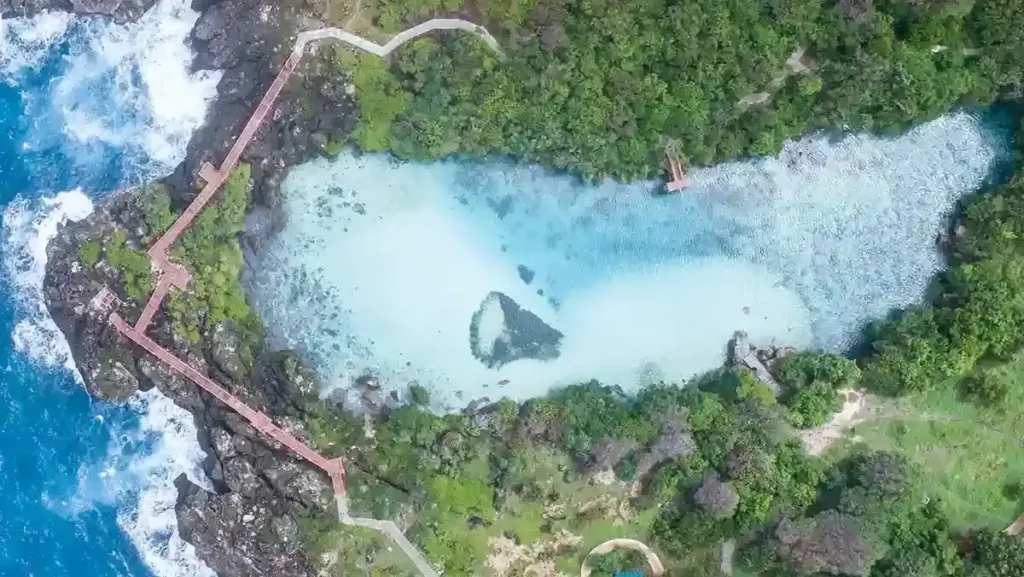
If you’re considering a sumba island tour best season for waterfalls, plan your visit between April and June. During these months, the waterfalls are still flowing, yet the weather is dry, making for enjoyable hikes and photo opportunities. Locations like Weekuri Lake and Tanggedu Waterfall are must-visits during this time.
Rainy Season: Is It Worth Visiting Sumba?
While some may shy away from the rainy season, visiting Sumba from November to March can be a unique experience. The island transforms into a lush paradise, and local festivals take place during this time, showcasing the vibrant Sumbanese culture.
The rainy season averages between 200-300 mm of rainfall per month, but downpours are often short-lived, leaving plenty of time for exploration. Many tourists opt for this season to enjoy fewer crowds and potentially lower prices on accommodations. If you’re asking yourself whether rainy season Sumba is worth visiting, the answer can be a resounding yes, particularly for those interested in experiencing local traditions and natural beauty.
Best Activities Based on Seasonal Considerations
When planning your activities, it’s crucial to align them with the weather conditions:
- Diving: The best conditions for diving in Sumba are typically from May to September. Dive depths can reach up to 30m at sites like the underwater caves of Sumba, offering spectacular marine life and coral formations.
- Surfing: The months of June through September are ideal for surfers, especially at spots like Nihiwatu beach, known for its powerful waves.
- Hiking: During the dry season, consider hiking the hills around Wanokaka or the stunning cliffs at Mandorak Beach. The trails are much easier to navigate without wet conditions.
- Cultural Tours: Local ceremonies, such as the Pasola Festival, typically occur during the rainy season, offering a deep insight into the Sumbanese culture.
August: A Peak Time for Sumba Tours
If you’re wondering if August is a good time for a Sumba tour, the answer is yes. This month falls right in the middle of the dry season, offering optimal weather for all outdoor activities. Expect average temperatures around 24°C with very little rainfall, making it perfect for beach outings, surfing, and hiking.
Accommodations and travel experiences can be slightly more expensive in August due to increased tourist traffic. Rates can rise by approximately 20-30% compared to off-peak months. However, the vibrant atmosphere and enhanced opportunities for social interaction often justify the investment. Expect to pay around $150-$300 per night for mid-range accommodations during this period.
Your Sumba Island Tour: Planning Essentials
When planning your Sumba Island tour, consider these key elements:
- Flights and Transfers: Flights to Sumba from Bali or Jakarta typically cost between $80 – $150 round trip, taking approximately 1.5 hours. It’s best to book in advance, particularly for travel during peak months.
- Accommodations: Expect to spend around $40 – $100 per night for decent lodging. Luxurious options can reach upwards of $300 per night, especially during high season.
- Local Transportation: Renting a scooter is a popular way to explore Sumba, costing around $10 per day. Alternatively, hiring a local guide can enhance your experience, typically costing around $50 for a full-day tour.
Frequently Asked Questions
1. What is the best time to visit Sumba Island?
The best time to visit Sumba Island is during the dry season, from April to October, when the weather is generally sunny and dry.
2. Can I visit Sumba during the rainy season?
Yes, visiting Sumba during the rainy season (November to March) can still be enjoyable, especially for those interested in fewer crowds and lush landscapes.
3. What activities are best suited for different months?
Surfing is best from June to September, while waterfall visits are ideal from April to June. Diving can be enjoyed from May to September, and cultural festivals peak during the rainy season.
In summary, Sumba Island is a remarkable destination that offers unique experiences year-round. Whether you prefer the sunny beaches of the dry season or the lush greenery of the rainy months, there’s something for everyone. Start planning your Sumba adventure today!
Explore more from Sumbaislandtour
Keep reading
More from the journal.