Sumba Journal
Sumba For Solo Travelers: Safety, Costs And Tours
7 min read
Sumba For Solo Travelers: Safety, Costs And Tours
Sumba Island is an emerging destination in Indonesia, attracting solo travelers with its stunning landscapes, rich culture, and opportunities for adventure. exploring its pristine beaches, engaging with local communities, or enjoying water sports, Sumba offers a unique experience for those venturing out on their own.
Is Sumba Safe for Solo Female Travelers?
Safety is a primary concern for solo female travelers, and Sumba generally rates well in this regard. The island has a low crime rate, and locals are known for their hospitality and friendliness. Most areas, especially towns like Waitabula and Waikabubak, are safe to navigate. However, standard precautions should be taken.
- Dress modestly, especially in rural areas, to respect local customs.
- Avoid walking alone at night, particularly in less populated areas.
- Carry a photocopy of important documents in case of emergencies.
During my trips to Sumba, I’ve often felt comfortable venturing out solo, especially in well-populated areas. The key is to stay aware of your surroundings and trust your instincts.
Costs to Expect for Solo Travelers in Sumba
Budgeting for your trip is crucial. Here’s a breakdown of the expected costs for a solo traveler in Sumba as of 2026:
| Item | Cost (USD) | Cost (IDR) |
|---|---|---|
| Accommodation (per night) | 10-30 | 150,000-450,000 |
| Meals (per day) | 5-15 | 75,000-225,000 |
| Scooter Rental (per day) | 7-10 | 100,000-150,000 |
| Group Tours | 30-100 | 450,000-1,500,000 |
| Diving (per dive) | 40-80 | 600,000-1,200,000 |
Overall, a daily budget of around $30 to $50 will provide a comfortable experience, while a more luxurious stay can push costs to $100 or more daily.
Joining Group Tours in Sumba
Group tours are a fantastic way for solo travelers to explore Sumba while meeting like-minded individuals. Various operators offer tours tailored to different interests, from trekking to cultural experiences. Joining a group tour can cost between $30 to $100, depending on the type and duration.
For example, Sumba Adventures provides full-day tours that include visiting traditional villages, waterfalls, and local markets. Their tours often include lunch and transport, making it a hassle-free way to immerse yourself in the culture.
Popular tours often last from 8 AM to 5 PM and can cover significant parts of the island’s highlights:
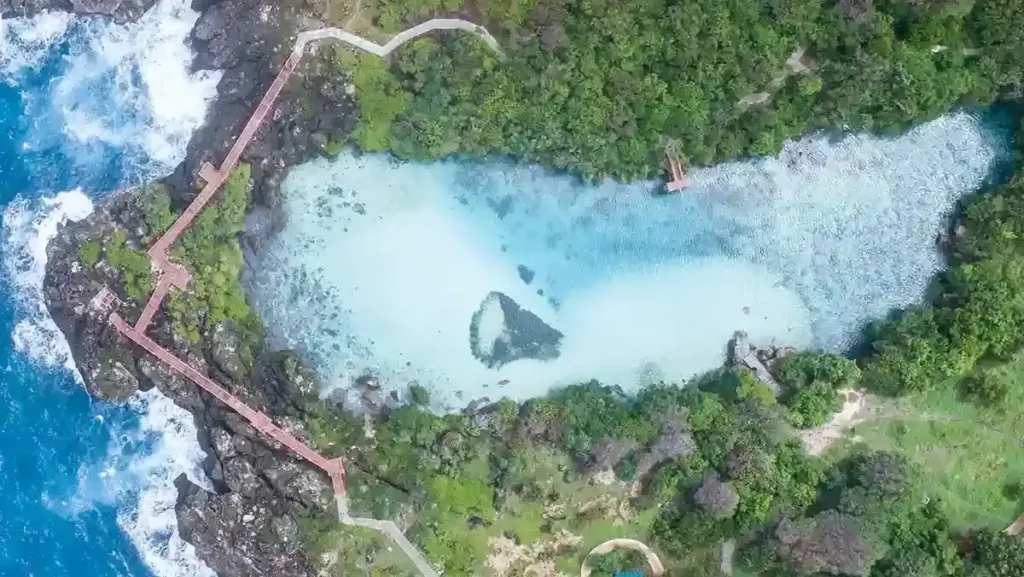
- Weekender Trekking to Weekuri Lake and Pasola Festival.
- Surfing trips to Nihiwatu Beach, catering to various skill levels.
- Cultural tours featuring traditional Ikat weaving and local ceremonies.
When booking a tour, look for reviews and recommendations to ensure you’re choosing a reputable operator.
How to Meet Other Travelers in Sumba
Connecting with fellow travelers while in Sumba can enhance your experience significantly. Here are several ways to meet others:
- Hostels and Guesthouses: Some of the best hostels and guesthouses cater specifically to solo travelers. Places like “Sumba Nautil” in Waingapu or “The Sumba Hospitality” in Waikabubak often host communal areas where guests can mingle.
- Join Local Classes: Engaging in local cooking classes or surf lessons can provide an opportunity to meet both locals and travelers. These workshops often last a few hours and can cost around $30 to $50.
- Scooter Rides: Renting a scooter can also lead to spontaneous encounters. Stop at local cafes or scenic viewpoints where other travelers might be hanging out.
Solo Scooter Trip: Pros and Cons
Exploring Sumba on a scooter can be both exhilarating and daunting. Here are the pros and cons based on my experience:
Pros:
- Freedom: You can set your own schedule and explore hidden gems that group tours might miss.
- Cost-effective: Scooter rentals are generally affordable, making this an economical way to travel.
- Scenic Views: The roads are often lined with breathtaking landscapes, and the freedom to stop and take photos is invaluable.
Cons:
- Traffic Conditions: Roads may be unpaved and challenging in rural areas, especially during the rainy season (November to March).
- Navigation: Lack of clear signage can make finding your way difficult. A local SIM card with data can be essential for Google Maps.
- Safety: While generally safe, always wear a helmet and be cautious of local driving habits.
A solo scooter trip can be one of the best ways to experience Sumba, provided you’re cautious and aware of the local driving conditions.
Staying with Local Families in Sumba
For a truly immersive experience, consider staying with local families. This option not only allows you to learn about Sumbanese culture firsthand but also supports the local economy. Family-run homestays can be found in various villages, often ranging from $10 to $30 per night.
During my stay with a local family in the village of Tarung, I participated in daily activities such as rice planting and traditional ceremonies, which deepened my understanding of their way of life. The warmth of the locals made my solo trip feel less lonely.
Before booking, check reviews and possibly arrange your stay through reputable platforms that focus on authentic experiences.
Best Hostels or Guesthouses in Sumba
For budget-conscious solo travelers, Sumba has several guesthouses and hostels that offer excellent accommodation with a friendly atmosphere. Here are some of the best places to consider:
- Le Grande Sumba: Located near Waitabula, this guesthouse offers dormitory and private room options starting at $10 per night. The communal kitchen and lounge area make it easy to meet fellow travelers.
- Sumba Surf Camp: Situated near Nihiwatu Beach, this camp provides a laid-back vibe, with prices ranging from $15 to $25 per night. It’s popular among surf enthusiasts and offers group activities.
- Sumba Nautil: A favorite for backpackers, located in Waingapu. Prices start at $12, and it features a welcoming garden area, perfect for socializing.
Regardless of where you choose to stay, be sure to look for places with positive reviews regarding cleanliness and hospitality, as these factors can greatly enhance your solo travel experience.
Sumba Digital Nomad Internet
While Sumba is not yet as well-connected as Bali, the internet situation is improving steadily. Many accommodations now offer Wi-Fi, although the speed and reliability can vary. If you’re a digital nomad, consider these points:
- Look for guesthouses or cafes that advertise high-speed internet. Some places in Waitabula and Waikabubak are specifically catering to remote workers.
- Having a local SIM card is advisable. Providers such as Telkomsel offer decent coverage, even in more remote parts of the island.
- Be prepared for the occasional internet outages, especially during the rainy season. It’s wise to have backup plans for work.
Overall, Sumba offers a unique blend of adventure, culture, and community spirit that is particularly appealing for solo travelers. With the right preparations, you can make the most of your trip to this beautiful island.
FAQs
1. What is the best time to visit Sumba as a solo traveler?
The best time to visit is from April to October, when the weather is dry and ideal for outdoor activities.
2. Are there any solo travel meetups or communities in Sumba?
While Sumba doesn’t have formal meetups, many hostels and guesthouses create communal environments that facilitate socializing among solo travelers.
3. Is it easy to find activities to do solo in Sumba?
Absolutely! From surfing and diving to exploring local villages, there are plenty of activities suited for solo travelers.
, Sumba Island is a hidden gem for solo travelers, offering safety, affordability, and rich cultural experiences. Whether you choose to explore on a scooter, join group tours, or stay with a local family, Sumba promises an unforgettable adventure.
So pack your bags and get ready for an exciting journey to Sumba!
Explore more from Sumbaislandtour
Keep reading
More from the journal.