Sumba Journal
Sumba vs Sumbawa: Don’t Mix Them Up (2027 Guide)
8 min read
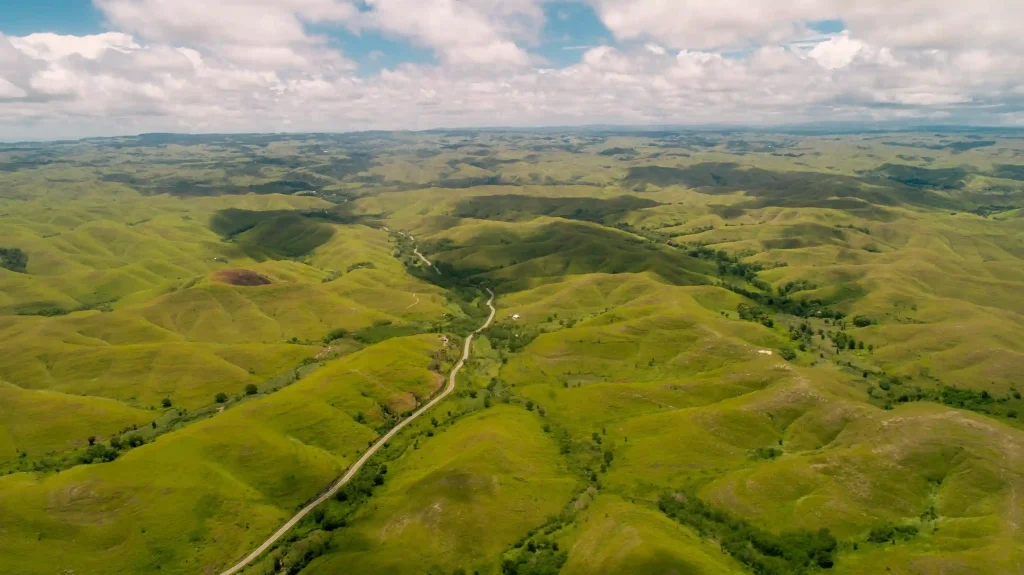
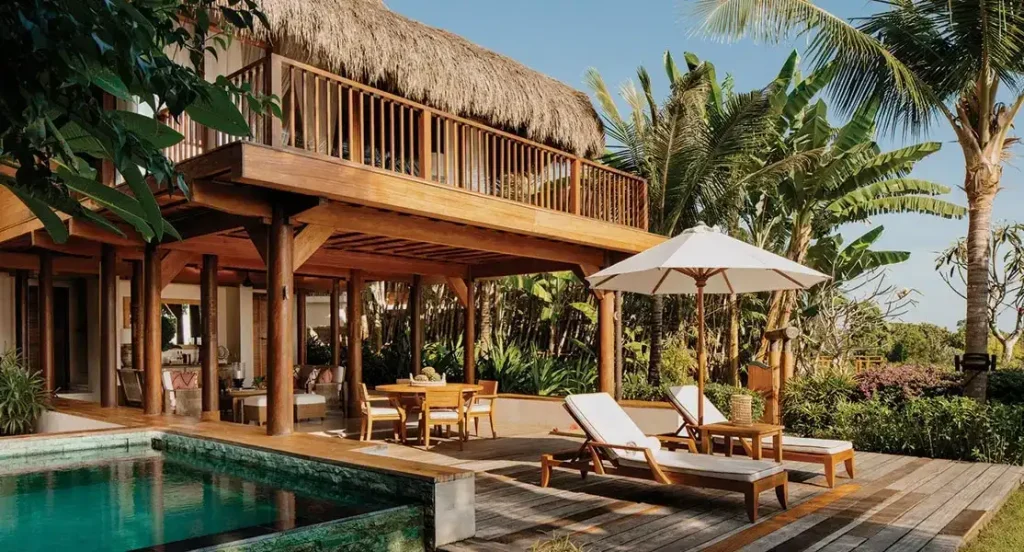
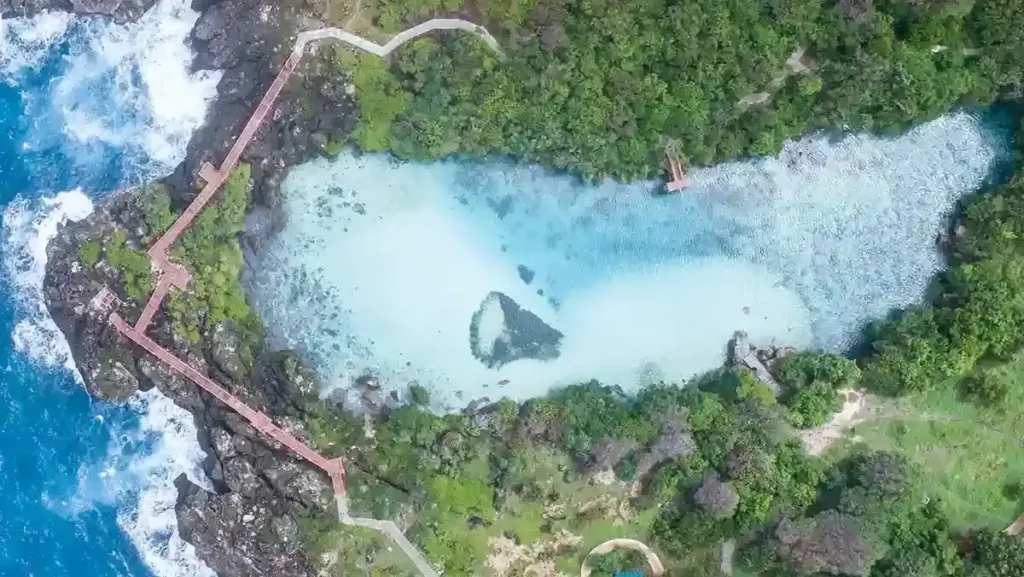
Sumba and Sumbawa are two entirely different Indonesian islands. Sumbawa sits in West Nusa Tenggara (NTB), on the well-travelled route between Lombok and Flores, and is best known for world-class surf and Mount Tambora. Sumba lies further southeast in East Nusa Tenggara (NTT), facing the open Indian Ocean, and is best known for megalithic tombs, ikat weaving, the Pasola horseback festival, and savanna hills that turn gold in the dry season. If the photos that brought you here show towering thatched roofs, wild horses on a savanna, or a turquoise tidal lagoon, the island you are looking for is Sumba. This guide untangles the two — geography, airports, culture, and cost — so your 2027 plans land on the right island the first time.
Are Sumba and Sumbawa the Same Island?
No. The names look alike and both islands belong to the Lesser Sunda chain, but they sit in different provinces, speak different languages, and reward very different trips. Sumbawa is the larger of the two at roughly 15,500 square kilometres, wedged between Lombok to the west and Flores to the east. Sumba is a standalone island of about 11,000 square kilometres to the south, separated from its neighbours by the Sumba Strait, with no bridge, no direct ferry of practical use for visitors, and no direct commercial flight linking it to Sumbawa. Every routing between them passes back through Bali or Lombok. Mixing them up at booking time is therefore not a small slip — it can cost you a full travel day and a set of non-refundable tickets.
Sumba vs Sumbawa at a Glance
| Question | Sumba | Sumbawa |
|---|---|---|
| Province | East Nusa Tenggara (NTT) | West Nusa Tenggara (NTB) |
| Position | South of the main chain, facing the Indian Ocean | On the main chain, between Lombok and Flores |
| Airports | Tambolaka (TMC) and Waingapu (WGP), direct from Bali | Sumbawa Besar (SWQ) and Bima (BMU), usually via Lombok |
| Dominant culture | Marapu ancestral faith alongside Christianity; megalithic clan villages | Predominantly Muslim; Samawa and Bima sultanate heritage |
| Signature sights | Ratenggaro village, Weekuri Lagoon, Wairinding hill, Walakiri beach, Pasola | Lakey Peak surf, Mount Tambora, Moyo Island |
| Best for | Culture, photography, savanna landscapes, boutique and resort stays | Surfers, volcano trekkers, overlanders crossing to Flores |
What Is Sumba Known For?
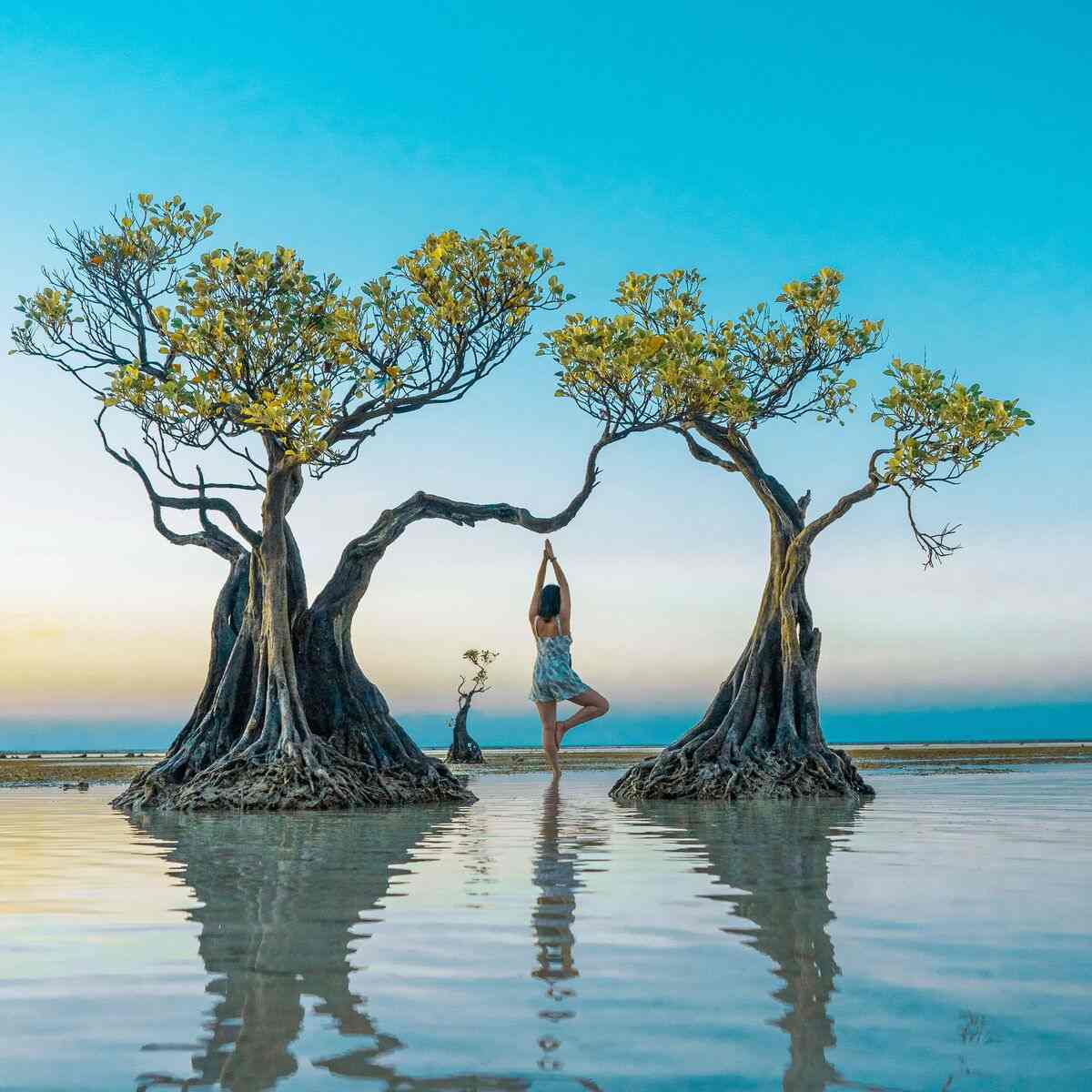
Sumba is one of the last places in Indonesia where an indigenous ancestral faith, Marapu, still shapes daily life. Clan villages such as Ratenggaro and Praijing keep their steep, high-peaked roofs pointed at the ancestors; carved megalithic tombs stand in the courtyards of Anakalang and the royal compound of Rende. The landscape is just as distinctive: the sculpted savanna of Wairinding and Tanarara, wild horses grazing Puru Kambera, the dancing mangroves of Walakiri at low tide, the natural seawater pool of Weekuri Lagoon, and waterfalls like Lapopu, Tanggedu, and Waimarang hidden in the folds of the interior. Each year the island also hosts Pasola, a ritual mounted spear contest held in West Sumba — its dates are confirmed by the lunar calendar around February to March, and our team tracks the local announcements for guests each season. At the top end, Sumba carries genuine name recognition: Nihi Sumba has repeatedly been ranked among the world’s best resorts, with nightly rates typically from around USD 1,000 and up.
What Is Sumbawa Known For?
Surf, above all. Lakey Peak on Sumbawa’s south coast is one of Indonesia’s most consistent waves, and the island’s southwest corner around Maluk and Sekongkang holds a string of breaks that surfers have quietly guarded for decades. Sumbawa’s other headline is Mount Tambora, whose 1815 eruption was the largest in recorded history and dimmed skies around the globe; trekkers climb to the rim of its vast caldera today. Off the north coast, Moyo Island shelters a quiet marine reserve. Culturally, Sumbawa is predominantly Muslim, shaped by the Samawa and Bima sultanates rather than by megaliths or Marapu. It is a rewarding island in its own right — but you will not find Pasola, ikat clan villages, or Sumba’s savanna scenery here, and travellers who arrive expecting them leave puzzled.
Why Do Travelers Keep Confusing the Two?
The names differ by three letters, both islands sit in the Nusa Tenggara region, and airline booking engines happily autocomplete the wrong one. We have welcomed guests who came within a click of buying flights to Sumbawa Besar (SWQ) when they needed Tambolaka (TMC) — a mistake that would have delivered them to an island roughly a day’s travel from their actual hotel. Search results blur the two as well, so a quick self-check before you pay for anything helps: if the itinerary mentions Tambora, Lakey Peak, or a Lombok ferry, that is Sumbawa. If it mentions Ratenggaro, Weekuri, Waingapu, or Nihi, that is Sumba. When in doubt, check the airport code on the ticket — TMC and WGP are Sumba; SWQ and BMU are Sumbawa.
How Do You Get to Sumba — and to Sumbawa?
Sumba is the easier of the two to reach from Bali. Direct flights leave Denpasar daily for both Tambolaka (TMC) in the west and Waingapu (WGP) in the east, taking about 1 hour 15 minutes. Most of our guests fly into one airport and out of the other, which lets a private overland route cross the whole island without backtracking. Sumbawa, by contrast, is usually reached through Lombok — either a short onward flight to Sumbawa Besar or Bima, or the vehicle ferry from eastern Lombok to Poto Tano. There is no direct commercial flight between Sumba and Sumbawa, so treat them as separate trips rather than an easy pairing.
Which Island Should You Choose in 2027?
Choose Sumbawa if your trip is built around surfing or climbing Tambora, and you are comfortable with simple logistics and long drives between spots. Choose Sumba if you travel for culture, landscape, and photography — and if you want those things with a private guide who grew up around them. Sumba also offers unusually clear value for a private trip: a 4-day, 3-night overland tour with car, driver-guide, and hand-picked stops runs from USD 390–700 per person as of August 2026, subject to season and group size — you can see the full mirror itinerary at Indonesia Juara Trip’s Sumba 4D3N tour. At the other end of the scale, pairing an overland route with a stay at Nihi or one of Sumba’s boutique resorts turns the same island into a genuine luxury journey. Few destinations in Indonesia stretch across that whole range so comfortably.
Can You Combine Sumba and Sumbawa in One Trip?
Only with a backtrack through Bali or Lombok, which eats at least a day in transit each way — so in practice, most guests pick one island and go deeper. On Sumba, depth pays. The island is larger than first-time visitors expect, and its west and east feel like two different countries: megalith villages and lagoons in the west, savanna and dancing mangroves in the east. If you can spare the time, our 8-day Sumba island tour covers the full island without rushing, while the 9-day grand expedition adds a free day for surf watching, a weaving workshop, or simple rest at a resort. Travellers set on seeing Sumbawa’s waves as well usually treat it as a separate surf trip from Lombok in another season.
Planning Your Sumba Journey
Now that the two islands are untangled, the planning is straightforward: fly Bali to Tambolaka or Waingapu, travel overland with a local driver-guide, and fly home from the opposite coast. Our team is operated with Indonesia Juara Trip — high-end local Sumba expertise — and every itinerary is built and led by people from the island itself. We show you the real Sumba. Speak to our Sumba travel advisor on WhatsApp at +62 811-994-1919 or email sales@indonesiajuara.asia to match the right route and dates to your 2027 plans. Part of Juara Holding Group — since 2015.
Keep reading
More from the journal.