Sumba Journal
What To Pack For A Sumba Island Tour
8 min read
What To Pack For A Sumba Island Tour
When planning your adventure to Sumba Island, knowing what to bring is essential. From the lush green landscapes to pristine beaches and vibrant culture, your packing list can make or break your experience. In this guide, we’ll explore everything you need to pack for Sumba, with a focus on comfort, culture, and safety.
Understanding the Climate and Environment
Sumba Island enjoys a tropical climate, which means warm temperatures year-round. Expect highs around 30°C (86°F) during the day and slightly cooler nights, especially from May to October, the dry season. The wet season runs from November to April, bringing occasional thunderstorms and high humidity. Packing for Sumba means considering both the weather and the activities you’ll engage in.
Clothing Essentials for Sumba
When choosing your clothing, aim for lightweight, breathable fabrics. Here’s a detailed packing list for female travelers and anyone visiting Sumba:
- Lightweight tops: Opt for short-sleeved shirts or tank tops made from cotton or linen.
- Bottoms: Bring a mix of shorts, lightweight pants, and skirts. Long pants offer better protection against insects.
- Swimwear: Two or three swimsuits are a must, especially if you plan to visit Sumba’s stunning beaches or go snorkeling.
- Cover-up: Lightweight cover-ups are practical for beach trips and visiting local villages.
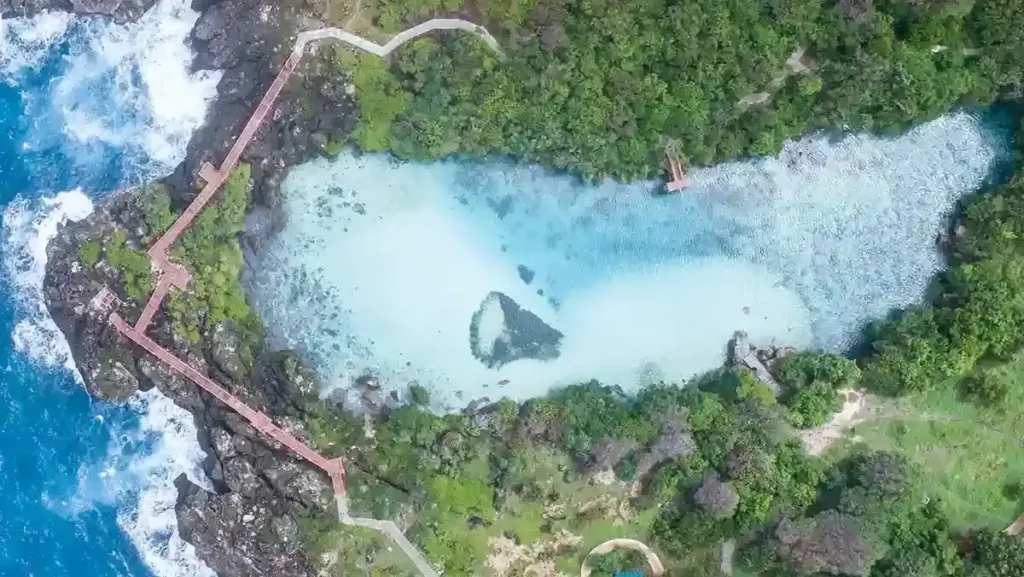
- Warm Layer: A light jacket or sweater for cooler evenings or higher altitude trips, especially in areas like Weekuri Lake.
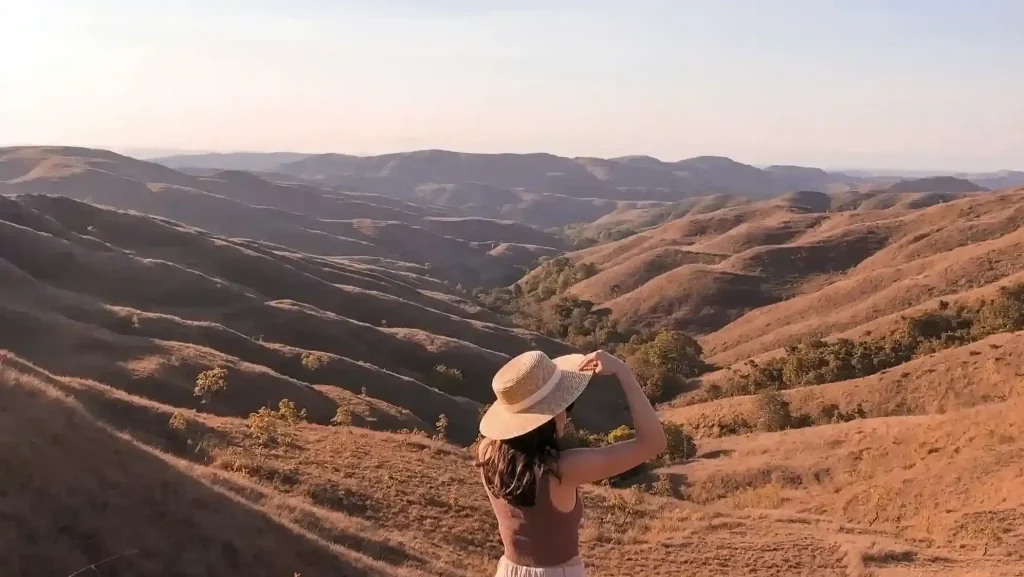
- Accessories: A wide-brimmed hat and sunglasses for sun protection is crucial.
Finally, remember the dress code for Sumba villages is conservative. It’s respectful to wear clothing that covers your shoulders and knees when visiting local communities.
Footwear for Various Activities
Your choice of footwear can significantly affect your comfort on the island. Here’s what I recommend:
- Best shoes for Sumba waterfalls: Waterproof hiking sandals or sturdy sneakers are ideal for exploring Sumba’s beautiful waterfalls, like Weekuri Waterfall and Tanggedu Waterfall. These locations often have rugged terrain.
- Beach footwear: Flip-flops or water shoes are great for the beach and shallow waters, providing comfort and ease.
- Evening wear: A pair of comfortable yet stylish shoes for dining out or visiting local markets.
Health and Safety: Essential Medications and Protections
Before arriving in Sumba, it’s crucial to prepare for potential health risks. Here are some must-have items:
- Mosquito and malaria protection: Bring insect repellent with DEET or Picaridin and consider a mosquito net if you’re staying in remote areas. Malaria is prevalent, especially during the rainy season.
- Essential medications: A basic first aid kit should include pain relievers, antihistamines, and any prescription medications. Consider including anti-diarrheal medication, as stomach issues can arise from unfamiliar foods.
- Travel insurance: Ensure you have adequate travel insurance that covers health emergencies and evacuation.
Electronics and Photography Gear
Sumba’s breathtaking landscapes and vibrant culture are photo-worthy, so packing the right electronics is essential. Here’s what to consider:
- Camera: A DSLR or a mirrorless camera will help you capture the stunning vistas, from the hills of Ratenggaro to the beaches of Nusa Penida.
- Drone usage: Can you use a drone in Sumba? Yes, but be cautious. Always check local regulations, as some areas may have restrictions, especially near villages and sacred sites.
- Power bank: A portable charger will keep your devices powered during long trips.
- Universal adapter: Sumba uses type C and F plugs, so bring a compatible adapter to charge your devices.
Toiletries and Personal Care Products
Your personal care routine should not be disrupted just because you are traveling. Here are essential toiletries to include:
- Biodegradable soap and shampoo: Eco-friendly options are best, especially if you plan to swim in natural waters.
- Toothbrush and toothpaste: Travel-sized versions save space in your baggage.
- Moisturizer and sunscreen: The sun can be intense, so a high-SPF sunscreen is necessary to prevent sunburn.
- Feminine hygiene products: Bring enough products for your stay, as options may be limited in rural areas.
What Not To Wear in Sumba
When visiting Sumba, understanding cultural sensitivities is key. Here are some clothing items and styles to avoid:
- Revealing clothing: Avoid shorts that are too short or tops that are too revealing when visiting villages.
- Beachwear: It’s not suitable to wear swimsuits outside the beach or pool areas. Cover-up with a sarong or light dress when moving around locally.
- Strong fragrances: Avoid heavy perfumes; they can attract insects and may not be well-received in some communities.
Final Checklist Before You Go
To make sure you haven’t forgotten anything for your Sumba Island adventure, here’s a quick checklist:
- Lightweight and breathable clothing
- Appropriate footwear
- Mosquito repellent and medications
- Camera gear and electronics
- Basic toiletries
- Respectful clothing for village visits
FAQs About Packing for Sumba
1. What is the best time to visit Sumba?
The ideal time is during the dry season from May to October, when the weather is pleasant and outdoor activities are more enjoyable.
2. Are there any restrictions on photography in Sumba?
While most areas welcome photography, always ask for permission before taking photos of locals or sacred sites.
3. Is it safe for solo travelers to visit Sumba?
Yes, Sumba is generally safe for solo travelers. However, it’s advisable to stay aware of your surroundings and follow local customs.
With this comprehensive packing list, you’re well-equipped for an unforgettable journey through Sumba Island. Embrace the adventure and enjoy the rich cultural tapestry that awaits you!
Footwear: Choosing the Right Shoes
Footwear can significantly impact your comfort during your Sumba adventure. The terrain varies from sandy beaches to rocky hills, so packing the right shoes is crucial. Here’s what I recommend:
- Hiking sandals: A pair of sturdy hiking sandals, like Teva or Merrell, are perfect for walking on uneven ground and can easily dry if they get wet.
- Lightweight sneakers: These are ideal for hikes and exploring local villages. Ensure they’re well-broken in to avoid blisters during your activities.
- Flip-flops: For lounging at the beach or around your accommodation, a comfortable pair of flip-flops is essential.
Prices for quality footwear can range from $30 to $100 (500,000 to 1,500,000 IDR) depending on the brand and style. Remember to try on your shoes at home to ensure they’re comfortable for long walks.
Essential Travel Accessories
Accessories can enhance your trip by making it easier to navigate and enjoy the local culture. Here’s a list of must-have items:
- Reusable water bottle: Staying hydrated is crucial in the tropical heat. A refillable bottle will help reduce plastic waste, and you can find water stations in most villages.
- Sarong: This versatile piece of fabric can be used as a beach cover-up, blanket, or even a makeshift wrap when visiting local villages. A good quality sarong can be picked up for around $10 (150,000 IDR).
- Compact backpack: A lightweight backpack will be your best friend for day trips, keeping your essentials organized and accessible while exploring.
- Travel umbrella or poncho: Especially if you’re traveling during the wet season (November to April), a lightweight, packable umbrella or poncho can come in handy during unexpected rain showers.
Health and Safety Items
Your health and safety should always be a priority, especially when traveling to remote areas like Sumba. Here’s how to prepare:
- First aid kit: Include band-aids, antiseptic wipes, pain relievers, and any personal medications. You can assemble a small kit for around $20 (300,000 IDR).
- Insect repellent: Mosquitoes can be prevalent, particularly during the wet season. A good repellent containing DEET can cost about $10 (150,000 IDR).
- Sun protection: Bring sunscreen with a high SPF, as the sun’s rays can be intense. A reliable brand might set you back $15 (225,000 IDR).
- Travel insurance: It’s wise to have travel insurance that covers health issues and trip cancellations. Prices vary, but expect to pay around $50-$100 (750,000 to 1,500,000 IDR) depending on coverage.
Technology and Electronics
While it is important to disconnect and enjoy your surroundings, having the right technology can enhance your experience. Here are some essentials:
- Camera or smartphone: Capture the stunning landscapes and vibrant local culture. Consider a waterproof case if you plan on spending time at the beach or diving.
- Power bank: Electrical outlets can be limited, so a portable charger will keep your devices powered during long excursions.
- Headphones: Perfect for traveling or relaxing at your accommodation after a day of adventures.
- Universal travel adapter: Indonesia uses Type C and Type F plugs; ensure your devices can charge without a hassle.
With these additional essentials in mind, you’ll be well-prepared for an unforgettable journey on Sumba Island. Happy travels!
Explore more from Sumbaislandtour
Keep reading
More from the journal.