Sumba Journal
Must‑See Sumba Attractions: Beaches, Waterfalls, Villages
7 min read
Must‑See Sumba Attractions: Beaches, Waterfalls, Villages
Sumba Island, a breathtaking gem in Indonesia, boasts rich cultural heritage, stunning natural landscapes, and some of the country’s most beautiful beaches. From crystal-clear lakes to cascading waterfalls and vibrant traditional villages, this island is a paradise for any traveler seeking authentic experiences. As a seasoned traveler, I’ve explored the best places to visit in Sumba and compiled a guide to help you navigate this enchanting destination.
Stunning Beaches to Explore
beaches, Sumba offers a plethora of options that are often overlooked by tourists. If you’re looking for secret beaches in Sumba that are not crowded, the island has something special for you.
- Mandorak Beach: Located in the southern part of Sumba, Mandorak Beach is known for its turquoise waters and picturesque cliffs. The entrance fee is approximately IDR 10,000 (about $0.70) per person. It’s a popular spot for swimming and sunbathing, and you’ll often have the beach almost to yourself, especially during weekdays.
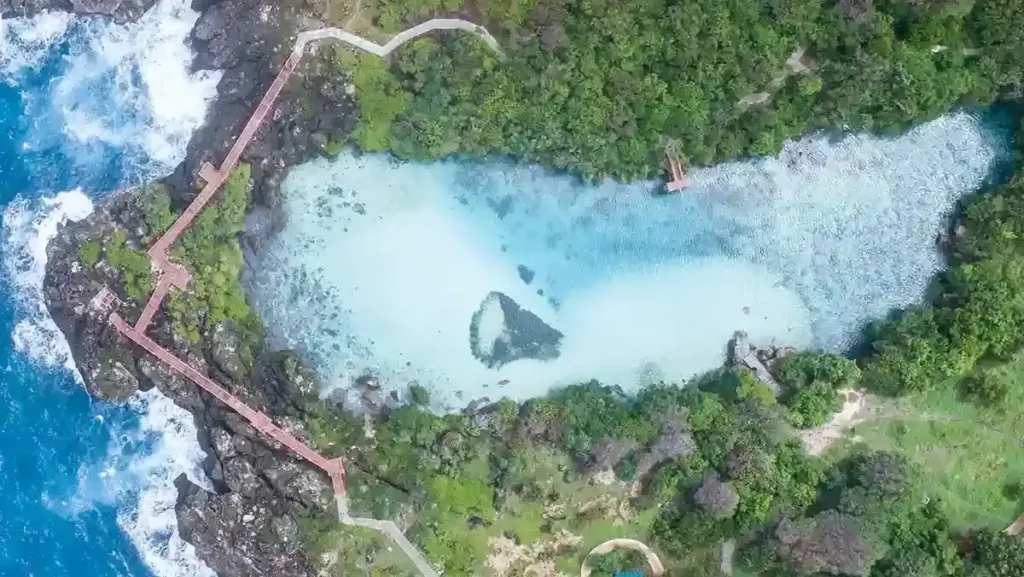
- Weekuri Lake: This stunning saltwater lake offers a unique swimming experience with its vibrant blue waters. Open year-round, Weekuri Lake is best visited during the dry season from April to October. There is no entrance fee, but you might want to budget around IDR 20,000 (approximately $1.40) for parking. Its crystal-clear waters make it a perfect spot for relaxation.
- Tarimbang Beach: Known for its stunning scenery and great surf conditions, Tarimbang is not as frequented as some other beaches, allowing for a more serene experience. The waves can be challenging, making it popular among surfers, particularly from May to September. There’s no entrance fee, but be aware that amenities are limited, so bring your own supplies.
Waterfalls that Will Leave You in Awe
Sumba is home to some breathtaking waterfalls that are perfect for a day of adventure. The most notable ones include:
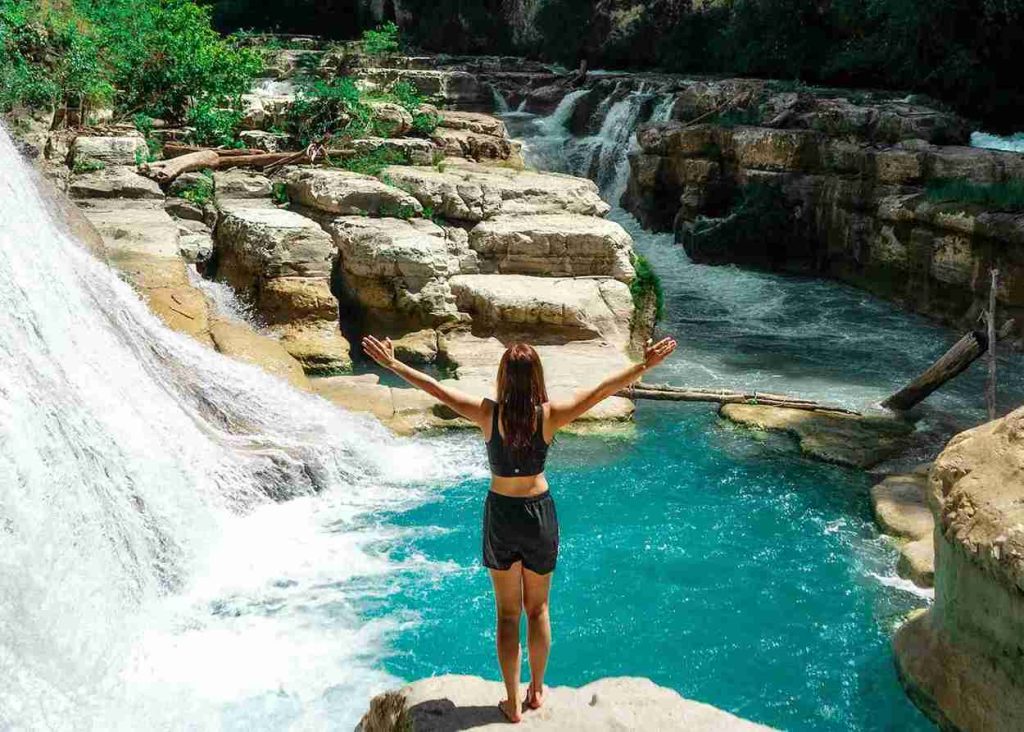
- Tanggedu Waterfall: Located in the eastern part of Sumba, this waterfall is often described as a mini Niagara. The hike to Tanggedu is moderately difficult, taking about 30-45 minutes. It’s well worth the effort as you are rewarded with three stunning tiers of waterfalls cascading into turquoise pools. Make sure to visit early in the morning to avoid crowds and to appreciate the complete serenity of nature. Bring water and snacks as there are no facilities nearby.
- Waimarang Waterfall: Less known than Tanggedu, Waimarang is a hidden treasure that features a beautiful natural pool perfect for swimming. The hike is easier than Tanggedu, making it a great option for families. It’s advisable to go between April and November when the flow is more consistent. There’s no entrance fee, making this an economically friendly option as well.
- Lapopu Waterfall: Located in West Sumba, Lapopu is one of the tallest waterfalls on the island. The hike to reach it is moderate, and you may need to navigate rocky paths. However, once you arrive, the stunning view and the sound of the water cascading down are worth every step. The best time to visit is during the rainy season from November to March when the waterfall is at its most powerful.
Experiencing Traditional Villages in Sumba
The traditional villages in West Sumba are a significant part of the island’s cultural fabric. Here’s where you can dive into the local customs and lifestyles:
- Ratenggaro Village: This village is renowned for its traditional Sumbanese houses and impressive megalithic tombs. A guided tour often costs around IDR 100,000 (approximately $7) and includes insights into the unique burial traditions and the local way of life. Try to visit during a local festival to experience traditional dance and music.
- Praijing Village: Close to Ratenggaro, Praijing offers an authentic glimpse into Sumba’s past. The village is famous for its ikat textiles, and you can witness the weaving process firsthand. A visit here is also roughly around IDR 100,000 ($7) for a guided experience. Don’t forget to ask about their traditional ceremonies.
- Wainyapu Village: Known for its traditional stone graves, Wainyapu gives visitors an insight into the Sumbanese way of honoring their ancestors. The village’s stark landscape is a captivating backdrop for your visit. Be sure to check with local guides for stories that explain the significance of the graves.
Nature and Scenic Viewpoints
For nature lovers, Sumba’s landscapes are breathtaking. The savannah viewpoints on the island are particularly stunning at sunset.
- Weekuri Lake Viewpoint: Aside from the lake itself, the viewpoint above offers a stunning panorama of the surrounding landscape. Arriving just before sunset will reward you with incredible photo opportunities, where the hues of the sinking sun blend with the blue of the lake.
- Hills of East Sumba: The rolling hills in East Sumba are the perfect backdrop for a sunset hike. The area near Waingapu is particularly scenic, and the winding hills create a stunning silhouette against the evening sky. Expect to spend about an hour hiking up to catch the perfect view.
- Manukura Hill: Located near the western coast, Manukura Hill is another excellent spot for sunset gazing. The path to the hill is relatively easy, and the vistas of the ocean and coastal cliffs are breathtaking. Spend an hour here soaking in the views and don’t forget your camera!
Local Cuisine and Cultural Experiences
No trip to Sumba is complete without tasting its local cuisine. Traditional dishes include:
- Sumba’s Grilled Fish: Freshly caught fish, marinated with spices and grilled to perfection, is a must-try. Many local warungs (small eateries) offer this dish, usually priced around IDR 50,000 ($3.50).
- Kasubi: A traditional staple made from cassava, this dish is often served during ceremonies. Eating it in a local village gives you a true taste of Sumbanese culture.
- Roti Bakar: A popular snack, this grilled bread often comes with sweet toppings and is widely available from street vendors. Prices generally range from IDR 15,000 ($1) to IDR 25,000 ($1.75).
Getting Around Sumba: Logistics and Tips
To truly explore Sumba, you’ll need to consider your transportation options. Motorbike rentals are popular and typically cost around IDR 70,000-100,000 ($5-7) per day. Make sure to bring your driver’s license. Alternatively, hire a local guide who can provide transportation along with valuable insights into the sites.
Public transportation can be unreliable, so I recommend planning your itinerary well in advance. Most attractions are scattered throughout the island, so factor in travel times. Expect to spend 30 minutes to several hours depending on your location.
| Attraction | Location | Entrance Fee (IDR) | Best Time to Visit |
|---|---|---|---|
| Mandorak Beach | South Sumba | 10,000 | April – October |
| Weekuri Lake | West Sumba | 20,000 | April – October |
| Tanggedu Waterfall | East Sumba | Free | April – November |
| Ratenggaro Village | West Sumba | 100,000 | Year-round |
| Waimarang Waterfall | East Sumba | Free | April – November |
FAQs about Sumba Attractions
What are the opening hours for Weekuri Lake?
Weekuri Lake is open year-round and accessible at any time, although visiting during daylight hours is recommended for safety and visibility.
How difficult is the hike to Tanggedu Waterfall?
The hike to Tanggedu Waterfall is moderately difficult, taking about 30-45 minutes. It’s advisable to wear good shoes and bring plenty of water.
What is the entrance fee for Mandorak Beach?
The entrance fee for Mandorak Beach is approximately IDR 10,000 (around $0.70) per person.
, Sumba Island is a destination that offers a unique blend of natural beauty, cultural richness, and adventure. From pristine beaches and breathtaking waterfalls to traditional villages that showcase the island’s heritage, there’s something for everyone. So pack your bags and get ready to explore the hidden treasures of Sumba!
Explore more from Sumbaislandtour
Keep reading
More from the journal.