Sumba Journal
Getting Around Sumba: Transfers, Drivers And Roads
8 min read
Getting Around Sumba: Transfers, Drivers And Roads
Sumba Island, part of Indonesia’s Lesser Sunda Islands, boasts breathtaking landscapes and rich culture. Navigating its remote areas and stunning beaches requires an understanding of the island’s transport options, from hiring a driver to self-driving and public transport. Here’s a comprehensive guide to getting around Sumba effectively.
Sumba Island Transport Options
Traveling across Sumba Island involves several transport options, each catering to different preferences and budgets. The primary modes include:
- Private Car Hire: Ideal for families or groups, providing flexibility and comfort.
- Motorbike Rentals: A popular choice for solo adventurers, offering an exhilarating way to explore.
- Public Transport: Buses and pick-up trucks (angkot) are available but come with limited schedules.
- Walking: Perfect for short distances, especially in local villages.
Understanding these options allows you to tailor your travel experience to your needs, looking for adventure or convenience.
Hiring a Driver in Sumba: Costs and Benefits
Hiring a driver in Sumba is often the most convenient way to see the island, especially for first-time visitors. The cost to hire a driver varies, typically ranging from $50 to $75 per day (approximately IDR 750,000 to IDR 1,125,000) depending on the itinerary and season. This usually includes fuel, but it’s good to confirm before hiring.
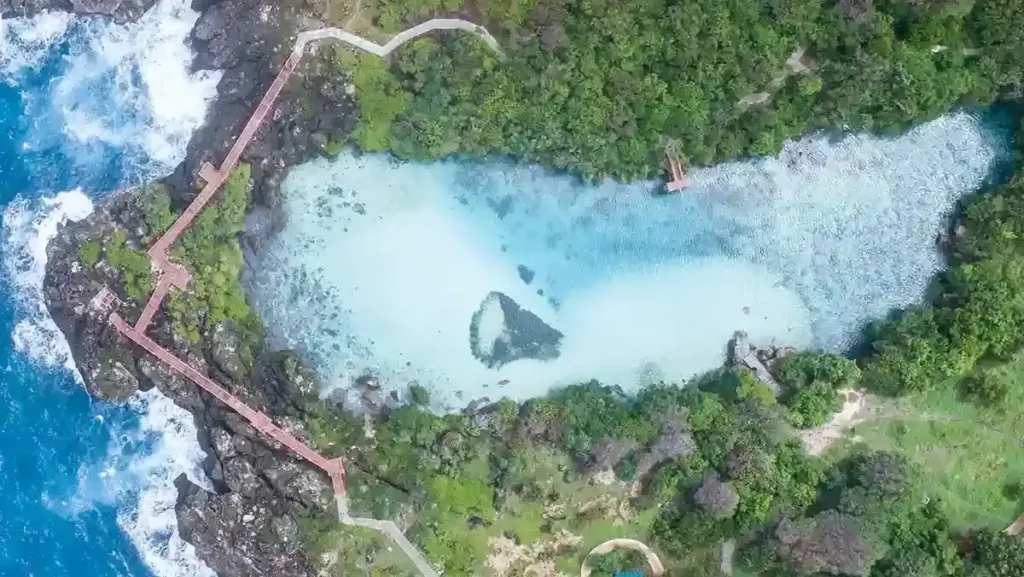
Most drivers are locals with an in-depth knowledge of Sumba’s geography and culture. They can provide insights into local customs and recommend places to visit, making your experience richer. For example, a full-day trip from Tambolaka to Waingapu (about 100 kilometers, taking roughly 2.5 to 3 hours) includes stops at sites like Weekuri Lake and traditional Sumbanese villages.
When hiring a driver, ensure they have a good reputation. You can usually find referrals through hotels or local tourism offices. Always discuss and agree on the itinerary in advance to avoid misunderstandings.
Self-Driving in Sumba: Is It Safe?
Self-driving in Sumba is possible, but it’s important to weigh safety and road conditions before making a decision. While many tourists successfully navigate the island, the roads can be challenging. In 2023, the cost of renting a car typically ranges from $40 to $60 per day (IDR 600,000 to IDR 900,000), with an additional deposit required, depending on the rental agency.
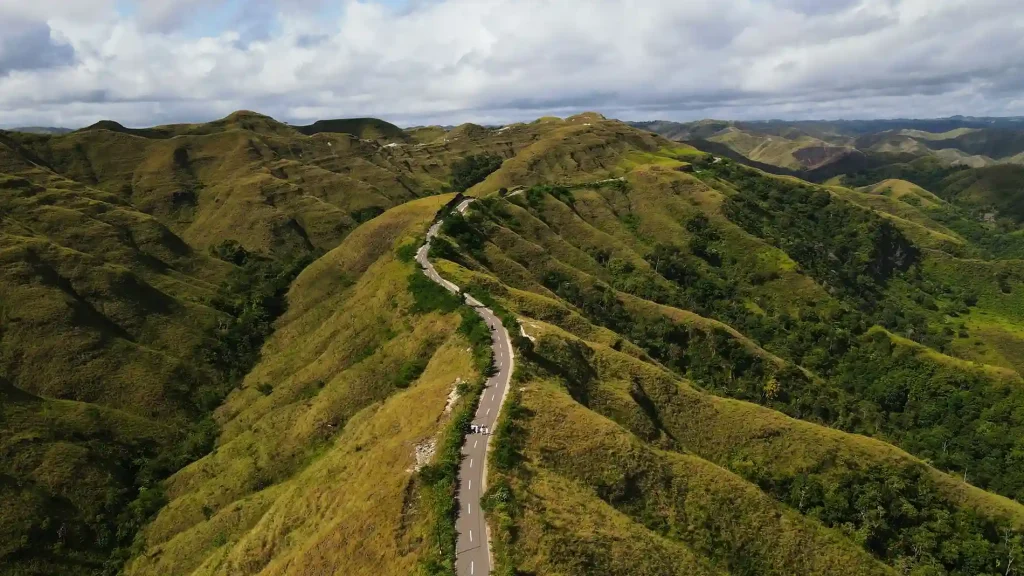
Road conditions in West Sumba can be variable. While the main roads connecting major towns like Tambolaka and Waingapu are mostly paved, you may encounter potholes or gravel sections in more remote areas. It’s advisable to have a 4WD vehicle if you plan on exploring off the beaten path.
Additionally, fuel stations can be sparse outside urban areas, so filling up whenever you have the chance is wise. Always have a map or GPS handy; cell service can be spotty in rural areas.
Scooter Rental in Sumba: Requirements and Tips
Scooter rentals are a favorite among backpackers and budget travelers in Sumba. Rental prices generally hover around $5 to $10 per day (IDR 75,000 to IDR 150,000). However, certain requirements must be met:
- International Driving Permit: Essential for foreigners.
- Deposit: Most rental shops require a deposit, which can vary.
- Helmet: Mandatory for safety, and rentals usually include one.
When renting a scooter, inspect it thoroughly for any pre-existing damage to avoid disputes when returning it. Popular areas for scooter rentals include Waingapu and Tambolaka, where numerous shops offer competitive rates. Remember that riding a scooter requires confidence, as road conditions can vary widely.
Public Transport in Sumba Island
Public transport in Sumba primarily consists of buses and shared taxis (angkot), which operate on set routes. Buses tend to be infrequent and can be crowded, making them less reliable for tourists on a tight schedule. Prices for bus journeys between major towns, like Tambolaka to Waingapu, are relatively cheap, generally around $5 (IDR 75,000).
The shared taxis, though limited, are a more flexible option. They depart when full, offering a faster alternative to buses. Expect to pay similarly to the bus fares. Engaging with locals during your travels not only enhances your experience but may also lead to unexpected transportation options. Just be prepared for a bit of a wait if you’re relying on public transport.
Driving Distances and Travel Times Across Sumba
Driving across Sumba can be both a thrilling adventure and a logistical challenge. The island stretches approximately 250 kilometers from west to east. Here are some distances and estimated travel times for key routes:
| Route | Distance | Estimated Travel Time |
|---|---|---|
| Tambolaka to Waingapu | 100 km | 2.5 – 3 hours |
| Waingapu to Kodi | 120 km | 3 – 4 hours |
| Waingapu to Tarimbang Beach | 100 km | 3 hours |
| Kodi to Tambolaka | 85 km | 2 – 2.5 hours |
Driving times can vary significantly based on road conditions and weather, so always allow extra time for your journeys. Particularly during the rainy season, which occurs from December to March, roads may become muddy or washed out.
Frequently Asked Questions
1. What are the best months to visit Sumba for travel?
The best months for travel are from April to November, when the weather is dry and ideal for exploring the island.
2. Can I use my credit card in Sumba?
While some establishments in major towns accept credit cards, cash is king in rural areas. Always keep enough Indonesian Rupiah for your trips.
3. What’s the best way to explore remote areas of Sumba?
Hiring a local driver or renting a 4WD vehicle is the best way to access remote locations. This ensures you can reach less accessible sites safely.
Traveling around Sumba is an experience rich with cultural encounters and picturesque landscapes. Whether you opt for a driver, a scooter, or public transport, embracing the local way of life will make your journey unforgettable. Make the most of your time on this stunning island.
Ready to explore Sumba? Start planning your adventure today!
Hiring a Driver in Sumba: Costs and Benefits
Hiring a driver in Sumba is often the most convenient way to see the island, especially for first-time visitors. The average cost for a full day with a driver ranges from IDR 600,000 to IDR 1,000,000 (approximately $40 to $65), depending on the vehicle and the distance of your itinerary. Most drivers are locals who know the best routes and hidden gems, often allowing you to access areas that public transport simply cannot reach.
In addition to being cost-effective, hiring a driver offers flexibility in your schedule. You can arrange for pick-up and drop-off times, allowing for spontaneous detours, such as visiting a local market or enjoying a sunset at one of the island’s remote beaches. Many drivers also speak English, which can greatly enhance your experience as they provide insights into Sumbanese culture and history.
Public Transport: A Local Experience
For the adventurous traveler, public transport in Sumba offers a unique glimpse into daily life on the island. The primary form of public transport includes minivans and pick-up trucks known as angkot. Fares for angkot rides typically range from IDR 10,000 to IDR 50,000 ($0.65 to $3.25) depending on distance. While schedules can be unpredictable, these vehicles are an affordable way to travel between major towns like Waingapu and Tambolaka.
It’s crucial to approach public transport with an open mind. These vehicles can be crowded, and you may share your ride with locals and their goods. However, this is part of the charm, providing an authentic experience that you won’t find in taxi services. For example, during my last visit in April 2023, I hopped on an angkot from Waingapu to Melolo and was treated to lively conversations with local farmers discussing their harvests.
Road Conditions and Driving in Sumba
Though Sumba’s roads have improved significantly over the years, they can still be challenging, especially during the rainy season from December to March. Many roads are unpaved and can become muddy, making travel slow. If you choose to drive, consider renting a 4WD vehicle for better traction. Rental prices for 4WDs start around IDR 1,200,000 ($80) per day, including insurance.
Before setting out, familiarize yourself with the route. Key destinations like Weekuri Lake and the Waimarang Waterfall are popular, but they can be tricky to access without proper navigation. Download offline maps and be prepared for limited signage. As a personal tip, carry extra water and snacks, as stops may be few and far between on remote roads.
Best Routes to Explore Sumba
To maximize your experience, consider the following routes that highlight Sumba’s stunning landscapes and cultural heritage:
- Waingapu to Tarimbang Beach: A 1.5-hour drive showcasing coastal views, ideal for a day of sun and surf.
- Waingapu to Pasola Grounds: About 2 hours. Visit in February or March to witness the traditional Pasola festival, a spectacular event featuring horse jousting.
- Tambolaka to Weekuri Lake: A scenic 1.5-hour trip that leads to a stunning saltwater lake surrounded by cliffs, perfect for swimming.
- Waikelo to Waimarang Waterfall: Approximately 2 hours. A refreshing hike leads you to beautiful waterfalls amidst lush nature.
Each route provides unique experiences and highlights the rich culture and natural beauty of Sumba. With the right planning and transportation, you can explore this enchanting island at your own pace.
Explore more from Sumbaislandtour
Keep reading
More from the journal.