Sumba Journal
Sustainable And Ethical Travel On Sumba Island
7 min read
Sustainable And Ethical Travel On Sumba Island
Sumba Island, often overshadowed by its more famous neighbors, is a prime example of sustainable tourism in Indonesia. With breathtaking landscapes, vibrant culture, and unique traditions, Sumba offers travelers the chance to explore ethically while supporting local communities. Here’s how you can engage in sustainable and responsible travel on this stunning island.
Understanding Sustainable Tourism on Sumba
Sustainable tourism on Sumba focuses on minimizing the negative impacts of travel while maximizing benefits for the local community and environment. This approach includes ethical practices like supporting local businesses, conserving natural resources, and preserving cultural heritage. As of 2026, the Indonesian government has been promoting sustainable tourism, aiming to see a 20% increase in eco-lodge accommodations on Sumba Island.
The island is blessed with rich biodiversity, featuring lush hills, pristine beaches, and unique wildlife. Nevertheless, it faces challenges such as over-tourism and plastic waste. Travelers play a crucial role in addressing these issues by choosing responsible travel options that respect the local culture and environment.
How to Support Local Communities in Sumba
Supporting local communities in Sumba is essential for sustainable tourism. Here are several ways you can contribute:
- Stay in locally owned accommodations: Opt for eco-lodges or homestays run by local families. Places like Nihiwatu and Sumba Hospitality Foundation provide authentic experiences while ensuring the community benefits directly. Prices for these lodges range from $50 to $200 per night, depending on the season.
- Buy local crafts and products: Avoid mass-produced souvenirs and instead purchase handmade items from local artisans. Visit markets in Waingapu and Waitabula to find unique textiles and crafts.
- Participate in cultural activities: Engage in local traditions, such as weaving classes or ceremonial events, to learn about Sumba’s rich culture while directly supporting the community.
Staying in Eco Lodges on Sumba
Eco-lodges play a pivotal role in promoting sustainable tourism on Sumba Island. These accommodations are designed to have minimal environmental impact while providing visitors with a genuine experience. Some notable eco-lodges include:
- Nihiwatu: Known for its luxury and sustainability, this resort offers stunning views and supports community projects. Rooms start at around $400 a night, but a portion of proceeds goes back to local initiatives.
- Sumba Hospitality Foundation: A training facility that prepares local youth for careers in tourism, offering budget-friendly accommodation at $50 per night.
- Orangutan Lodge: Set amidst lush greenery, this lodge is committed to eco-friendly practices and supports local conservation efforts. Prices are approximately $80 per night.
When you choose to stay at these eco-lodges, you’re not just enjoying a beautiful setting; you’re also contributing to initiatives that protect the island’s environment and empower its people.
Avoiding Over Tourism in Sumba
Over tourism impacts the environment and community well-being. As visitors flock to Sumba, it’s important to practice responsible tourism. Here are some ways to avoid contributing to over tourism:
- Travel during the off-peak season: To reduce your impact, visit between April and June or September and November, when the island is less crowded and the weather remains pleasant.
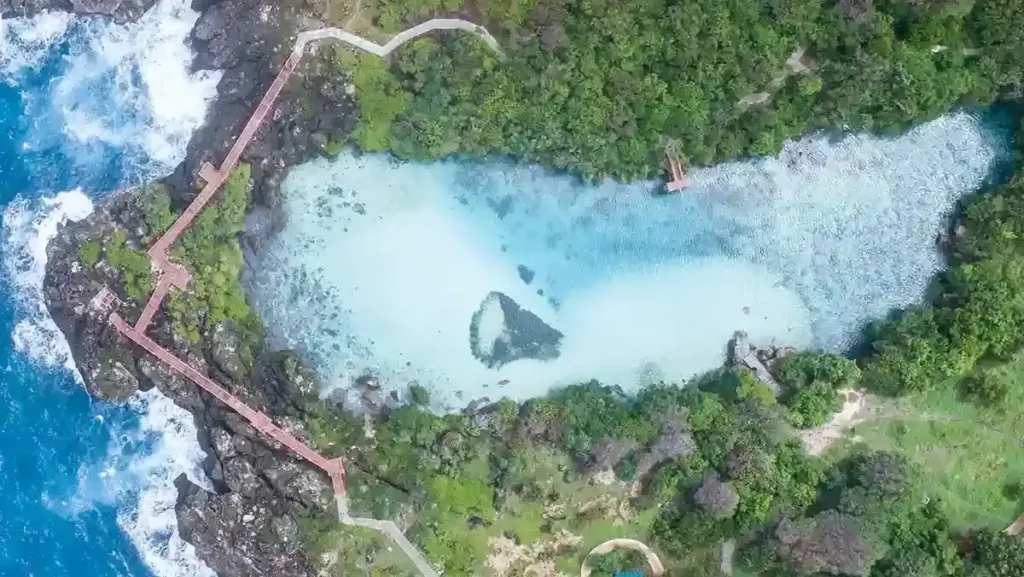
- Explore lesser-known areas: While attractions like Weekuri Lake and Tanggedu Waterfall are popular, venture to hidden gems such as the remote beaches of Mandorak and the quiet hills of East Sumba.
- Limit your stay in popular spots: Spend more time in less frequented areas to distribute the tourist footprint and minimize congestion.
Responsible Photography in Sumba Villages
Photography is a fantastic way to capture the beauty of Sumba, but it’s essential to be respectful when photographing locals and their culture. Here’s how to engage in responsible photography:
- Ask for permission: Always seek consent before taking a photo of individuals, particularly in traditional settings. Many locals appreciate being asked and may even share more about their culture.
- Avoid taking photos of sacred sites: Respect cultural and religious practices by not photographing ceremonies or sacred areas without explicit permission.
- Share your photos ethically: If you intend to share your photos online, consider tagging local communities or using them to promote positive aspects of Sumba rather than exploitative imagery.
The Plastic Waste Problem on Sumba Beaches
Sumba Island faces a significant plastic waste issue, particularly on its beautiful beaches. As of 2026, studies have shown that over 60% of waste found on Sumba’s shores is plastic. Here’s what you can do to help combat this problem:
- Participate in beach clean-ups: Join local organizations or community groups to help clean up beaches like Pasunga or Tarimbang. Not only will you be helping the environment, but you’ll also meet locals passionate about preserving their land.
- Reduce your plastic usage: Bring reusable bags, water bottles, and utensils to minimize your plastic footprint while traveling on the island.
- Support eco-friendly initiatives: Choose businesses that employ sustainable practices and avoid those contributing to plastic waste.
Choosing an Ethical Sumba Tour Operator
Selecting the right tour operator can make a significant difference in your travel experience. Ethical operators prioritize community engagement and environmental sustainability. Here’s how to choose an ethical Sumba tour operator:
- Research their practices: Look for operators that have clear policies about supporting local communities and minimizing environmental impact.
- Read reviews: Seek out feedback from fellow travelers who have engaged with the operator to ensure they deliver on their sustainability claims.
- Inquire about partnerships: Ethical operators will often partner with local communities and organizations. Ask them how they give back to the areas they operate in.
In 2026, operators like Sumba Adventure and Sumba Tours focus on immersive experiences rather than mass tourism, ensuring a more ethical approach to exploring the island.
Volunteering Options in Sumba
For those looking to make a more significant impact during their visit, volunteering is a rewarding way to contribute. Several organizations offer opportunities to work on community development, education, and conservation projects:
- Sumba Hospitality Foundation: Volunteer to help train youth in hospitality and tourism, imparting valuable skills while supporting their future.
- Watu Kolo Project: Focused on environmental conservation, volunteers can assist in reforestation efforts and wildlife protection initiatives.
- Local Education Initiatives: Many programs seek volunteers to teach English and assist in local schools, fostering skills that can improve future employment opportunities.
Volunteering not only allows you to give back to the community but also enriches your travel experience with deeper connections to the local culture.
Conclusion
Sumba Island offers a rich tapestry of culture, natural beauty, and opportunities for sustainable and ethical travel. By choosing eco-lodges, supporting local communities, avoiding over tourism, and engaging in responsible practices, you can make a positive impact during your journey. Embrace the spirit of Sumba, and become a mindful traveler who leaves behind a legacy of respect and care for this magnificent island.
Frequently Asked Questions
- What are the best times to visit Sumba Island for sustainable tourism?
- April to June and September to November are ideal months, offering fewer tourists and pleasant weather.
- How can I ensure I’m supporting local communities while traveling?
- Stay in locally-owned accommodations, purchase handmade crafts, and engage in cultural activities.
- What are some eco-friendly practices to adopt while on Sumba?
- Use reusable items, participate in beach clean-ups, and choose tour operators committed to sustainability.
Ready to embark on a meaningful journey? Explore Sumba Island with an ethical mindset and experience its wonders while preserving its beauty for generations to come.
Explore more from Sumbaislandtour
Keep reading
More from the journal.