Sumba Journal
Sumba Island Tour In The Rainy Season Explained
7 min read
Sumba Island Tour In The Rainy Season Explained
Visiting Sumba Island during the rainy season offers a unique adventure filled with lush landscapes, vibrant culture, and fewer crowds. The rainy season typically spans from November to March, with January and February often being the wettest months. While some travelers might hesitate to book a trip during this time, understanding the nuances can help you make the most of your experience.
Understanding the Rainy Season in Sumba
When planning your visit to Sumba, it’s essential to know what to expect during the rainy season. Rainfall can vary widely, with some areas experiencing significant downpours while others receive just a light drizzle. January is often the peak of this wet season, with average rainfall reaching up to 300 mm (approximately 12 inches) in some regions. February sees a similar pattern, making both months critical for any traveler considering Sumba in the rainy season.
Despite the rain, Sumba’s beauty shines through. The island’s landscapes transform into lush green vistas, and waterfalls that might be dry during other months become spectacular sights. The increase in water levels also means that the rivers are more than just dry beds; they can turn into beautiful streams perfect for exploration.
Is January a Bad Time for Sumba Island?
Many travelers wonder if January is a bad time for Sumba Island. While it’s true that January witnesses significant rainfall, it’s not necessarily a bad time to visit. The rain usually falls in short bursts, often at night or in the early morning, leaving plenty of opportunities for exploration during the day. The average temperature hovers around 27°C (about 81°F), making it a warm time to visit despite the wet weather. Plus, the rainy season tends to bring fewer tourists, which means you can enjoy a more authentic experience of local life and culture.
Can You Do Sumba Tours in February?
Absolutely! February is a perfect time for Sumba tours, particularly if you’re interested in photography or experiencing the lush scenery. The rain may create challenges, such as muddy trails and sometimes impassable roads, but with a bit of planning, you can still explore many of the island’s highlights.
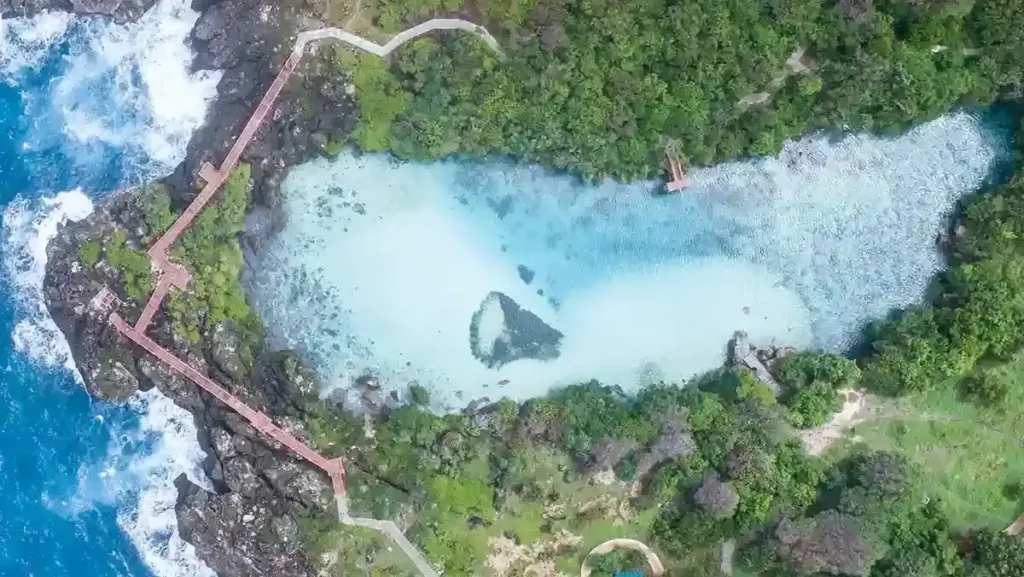
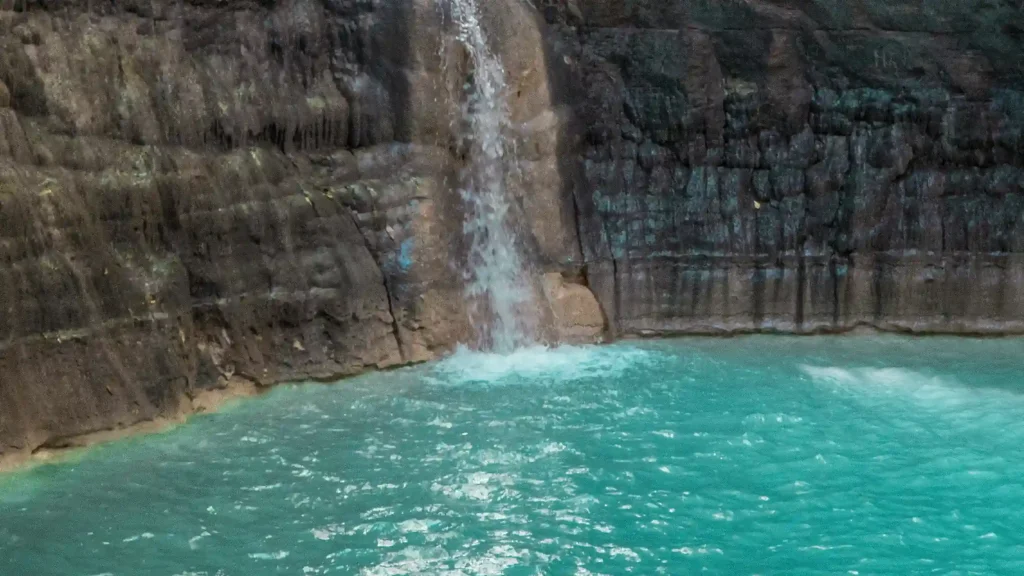
- Waterfalls: The waterfalls in Sumba are stunning during this time. Weekuri Lake and Weekuri Waterfall, for example, become vibrant and full, offering stunning photographic opportunities. The colors of nature pop against the gray sky, providing a dramatic backdrop for your pictures.
- Cultural experiences: February also coincides with local festivals and ceremonies, rich in cultural significance. This is when you can witness traditional Sumbanese rituals, which can be an incredible experience for any traveler.
Sumba Island Road Conditions in the Rainy Season
Road conditions in Sumba during the rainy season can vary significantly. While some main roads are well-maintained, many secondary roads can become muddy and difficult to navigate after heavy rainfall. If you’re planning to rent a vehicle or take a local taxi, be prepared for potential delays. It is advisable to check the road conditions before heading out, as some rural areas might be inaccessible after heavy rains.
To navigate these challenges, consider hiring a local guide who is familiar with the terrain and can provide reliable transportation options. This not only enhances your safety but also enriches your experience as you’ll learn more about the island’s culture and environment from someone who knows it well.
Best Activities in Sumba During Rain
While outdoor activities may be limited due to rain, Sumba still offers a variety of engaging experiences. Here are some of the best activities to consider:
- Visiting Traditional Villages: The Sumbanese villages, such as Waingapu and Tarung, are rich in culture and history. Take a guided tour to learn about the traditional thatched-roof homes and burial sites. Many locals are welcoming and will share stories about their customs and traditions.
- Exploring Waterfalls: As mentioned, waterfalls like Weekuri and Tanggedu are highlights during the rainy season. The sound of rushing water and the lush surroundings create a perfect setting for photos and relaxation.
- Surfing: If you’re an avid surfer, the rainy season can bring excellent swells. The beaches near Nihiwatu are recommended for surfers of all levels, with average wave heights ranging from 1 to 3 meters (3 to 10 feet).
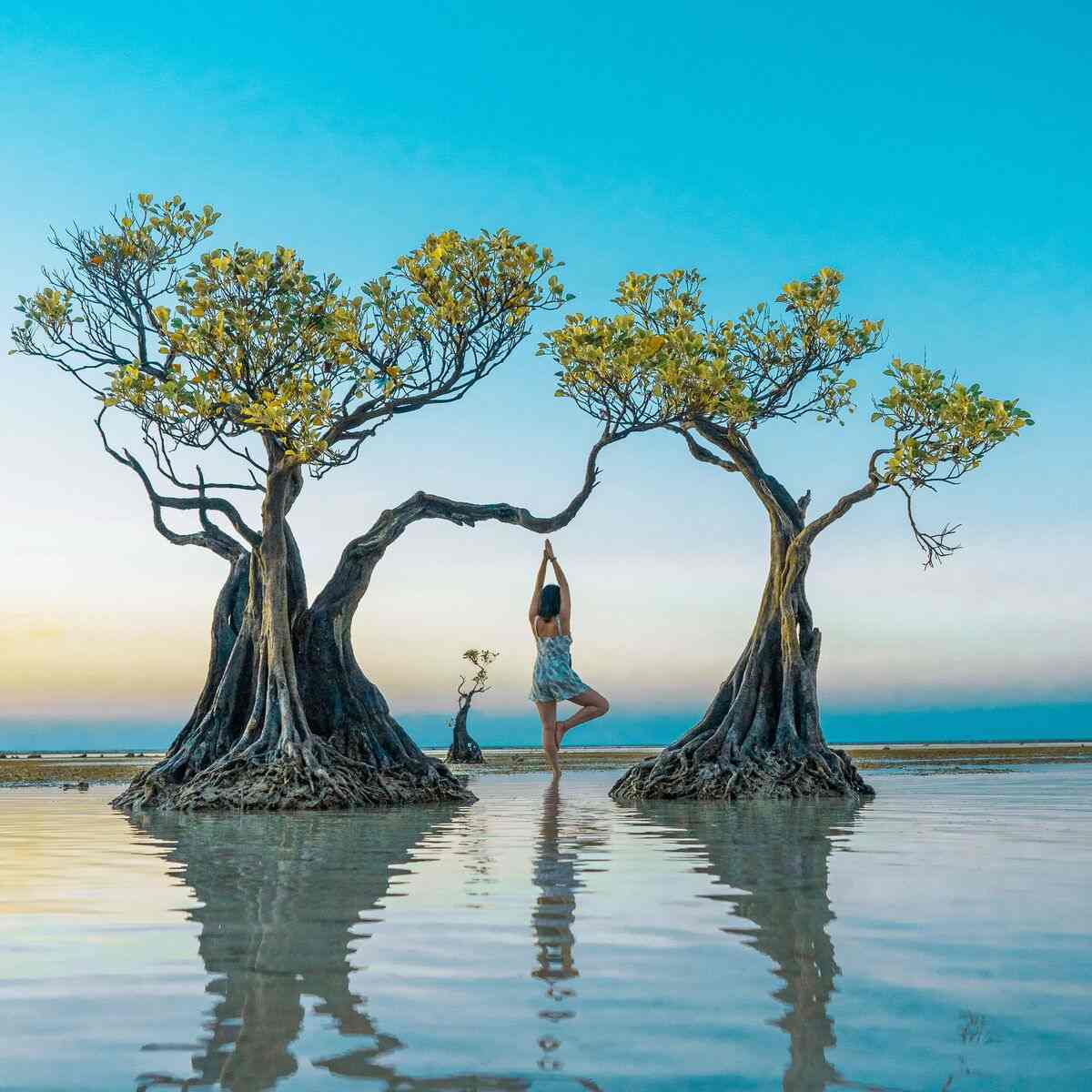
- Photography: The photography opportunities are abundant. The contrast of the green landscape against the often-dramatic skies is breathtaking. Plan your photography outings for just after or during light rain, which often leads to vibrant rainbows.
Sumba Waterfalls Rainy Season Photography
Photographing Sumba’s waterfalls during the rainy season can yield stunning results. The dynamic flow of water creates powerful scenes, with mist rising and rainbows forming in the waterfalls’ spray. Here are some tips for capturing the best shots:
- Time Your Visits: Early morning or late afternoon often provides the best light. Overcast skies can also create soft, diffused lighting that enhances the colors of the surrounding nature.
- Using Tripods: If you have a tripod, bring it along for long-exposure shots. This can create a silky effect on the water, giving your photos a professional touch.
- Protect Your Gear: Don’t forget to bring a waterproof cover for your camera or smartphone, especially if you plan to get close to the waterfalls.
What to Avoid in Sumba Wet Season
While the rainy season can be enjoyable, there are certain things you should avoid to ensure a smooth trip:
- Avoid Unprepared Travel: If you’re planning to trek or explore rural areas, make sure to have proper footwear and possibly a guide. The muddy conditions can be treacherous.
- Don’t Overpack Electronics: Given the potential for rain, it’s advisable to limit the number of electronic devices you carry. Instead, focus on essentials and keep them secured in waterproof bags.
- Avoid Flash Flood Areas: Stay clear of riverbanks and low-lying areas, especially after heavy rains, as these regions can be prone to flash flooding.
Sumba Packing List for Monsoon
When packing for Sumba during the monsoon season, ensure you have the essentials to keep dry and comfortable:
- Waterproof Jacket: A lightweight, breathable rain jacket is a must.
- Waterproof Footwear: Hiking boots or sandals that can handle wet conditions are highly recommended.
- Quick-Dry Clothing: Choose moisture-wicking fabrics that dry quickly after getting wet.
- Dry Bags: Use dry bags for your electronics and any valuables to keep them safe from water.
- Insect Repellent: With the wet season, insects can be prevalent; bring a good repellent to avoid bites.
FAQ
1. Are there any local festivals during the rainy season?
Yes, February often has local cultural ceremonies that can be quite enriching for visitors, showcasing traditional dances and rituals.
2. What’s the average cost for a guided tour in January and February?
Guided tours can range from $50 to $150 per day, depending on the itinerary and inclusions.
3. Is it safe to trek during the rainy season?
While trekking is possible, it’s crucial to hire local guides and choose well-trodden paths to ensure safety.
, visiting Sumba Island during the rainy season can be an extraordinary experience filled with stunning landscapes, rich culture, and unique opportunities. If you’re prepared and have the right mindset, you’ll find that the rain brings its own beauty to this remarkable destination.
Plan your Sumba adventure today and embrace the beauty of the rainy season!
Explore more from Sumbaislandtour
Keep reading
More from the journal.