Sumba Journal
Sumba Island Cultural Experiences You Should Not Miss
2 min read
Sumba Island Cultural Experiences You Should Not Miss
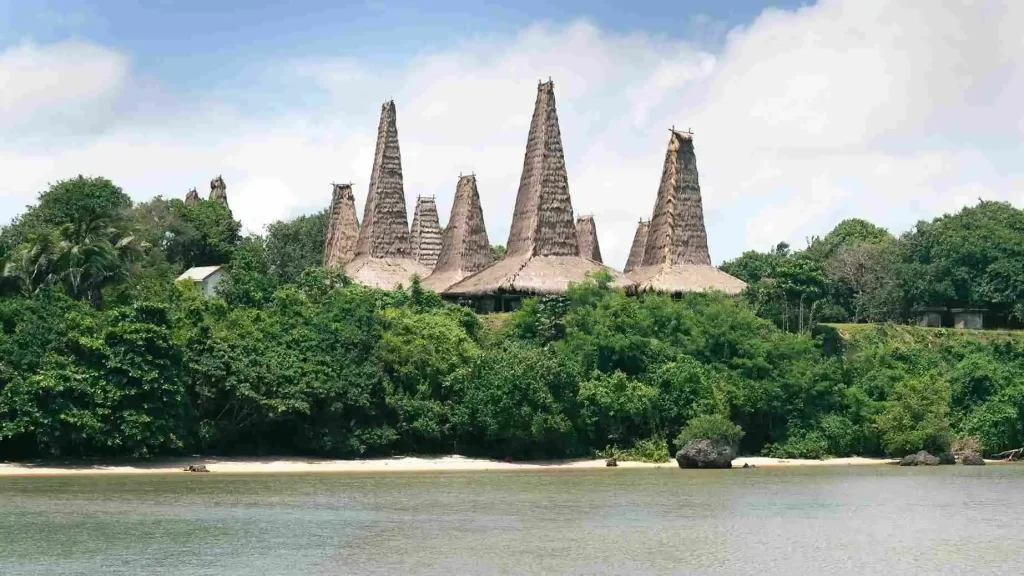
Sumba Island, part of Indonesia’s East Nusa Tenggara province, boasts rich cultural traditions, vibrant festivals, and unique artistic expressions. From the famous Pasola Festival to the intricate art of Ikat weaving, visitors can immerse themselves in Sumbanese culture while respecting local customs and practices. Here’s a comprehensive guide to the cultural experiences you shouldn’t miss.
The Pasola Festival: A Must-See Event
The Pasola Festival is one of the most famous cultural events on Sumba Island, drawing visitors from all over the world. This traditional horseback tournament celebrates the harvest and is linked to the ancient beliefs of the Sumbanese people. In 2026, the festival will take place twice: once in February and again in March, with exact dates varying by village.
As a tourist, attending the Pasola Festival requires some planning. It’s best to reach Sumba a few days prior to the event to explore the villages and get acquainted with the culture. The most renowned locations for witnessing the Pasola are in the villages of Waikabubak and Kodi. Expect to pay around IDR 50,000 (approximately $3.50) for entry, and consider hiring a local guide for an authentic experience. Guides typically charge between IDR 300,000 to 600,000 (roughly $21 to $42) for a full day.
Etiquette in Traditional Villages
When interacting with locals, greetings in the local language (Kolo) are appreciated. A simple “Mangi” (hello) can go a long way in building rapport. Also, be mindful of local ceremonies and rituals; visiting during these times may require special permissions. Engaging respectfully with the community enhances your travel experience and fosters goodwill.
Sumba Ikat Weaving Tours
Ikat weaving is a significant art form on Sumba Island, characterized by its intricate patterns and vibrant colors. The process is labor-intensive, often taking several weeks to create a single piece. Visitors can embark on weaving tours to see the artisans at work, particularly in the village of Kambaniru.
These tours typically last around half a day and cost between IDR 200,000 to 400,000 (about $14 to $28), depending on the inclusions. You’ll not only observe the techniques but also learn about the cultural significance of the motifs used in the fabrics. It’s an excellent opportunity to purchase authentic Ikat pieces, making unique souvenirs for your trip.
Understanding Sumba Funeral Rituals
Funeral rituals in Sumba are profound, elaborate affairs steeped in tradition. Known for their complexity, these ceremonies can last several days and involve various offerings, dances, and rituals. The most notable is the “Wairinding” ceremony, where families honor their deceased ancestors. Visitors interested in understanding these rituals should approach with respect.
While it’s possible to witness these rites, it’s crucial to seek permission from the family beforehand. Funeral ceremonies can occur throughout the year, but it’s wise to check with your local guide for specific dates. Attending a ceremony can provide insight into the rich spiritual life of the Sumbanese people, but always be aware of showing respect and sensitivity during such solemn occasions.
What to Buy: Sumba Souvenirs
souvenirs, Sumba offers a variety of unique, locally made items. The most popular purchases include Ikat textiles, handcrafted jewelry, and traditional weapons such as the “keris” (dagger). Prices for Ikat fabrics can range from IDR 300,000 to 1,500,000 ($21 to $105), depending on the size and intricacy of the design.
In addition to textiles, traditional pottery and carvings make excellent keepsakes. You’ll find these items at local markets like Waikabubak’s Pasar Inpres, where haggling is common and expected. Be sure to ask about the origin of each piece, as many artisans have fascinating stories behind their creations.
Photography in Sumba Villages: Guidelines
Photography is a fantastic way to capture the beauty of Sumba and its people, but it’s essential to approach this with care. Many villagers are open to photography, especially during festivals or when they’re engaged in daily activities. However, sensitive areas, such as funeral ceremonies or private moments, require permission.
When photographing individuals, especially in traditional attire, a simple request can lead to beautiful candid shots. Be respectful, and if someone declines, accept that gracefully. As a rule of thumb, always ask before taking photos of children or during ceremonies.
Local Guides: Navigating Sumba’s Culture
Having a knowledgeable local guide is invaluable when exploring Sumba’s rich cultural landscape. The best local guides not only provide insights into the history and significance of each site but also facilitate interactions with the locals, ensuring that you have the most authentic experience possible.
In 2026, engaging a local guide will typically cost between IDR 300,000 to 600,000 ($21 to $42) for a day’s service. Look for guides recommended by other travelers or those affiliated with reputable tour companies. A good guide will tailor your experience according to your interests and help you navigate cultural nuances effectively.
Conclusion
Sumba Island offers a treasure trove of cultural experiences that leave a lasting impression. From the vibrant Pasola Festival to the intricate art of Ikat weaving, every moment spent immersing yourself in Sumbanese culture is enriching. Respect for local customs, an open heart, and a curious mind will not only enhance your journey but also foster connections with the Sumbanese people.
Ready to explore Sumba’s incredible cultural heritage? Start planning your trip now!
Frequently Asked Questions
- What are the Pasola Festival dates for 2026?
The Pasola Festival will be held in February and March 2026, with specific dates varying by village. - Can I take photos in Sumba villages?
Yes, but always ask for permission first. Respect the wishes of individuals and families, especially during private ceremonies. - What is the best way to experience Sumba’s culture?
Engaging a local guide for personalized tours, attending festivals, and visiting traditional villages are the best ways to experience Sumba’s rich culture.
Explore more from Sumbaislandtour
Keep reading
More from the journal.