Sumba Journal
Health, Safety And Cultural Respect On Sumba Tours
8 min read
Health, Safety And Cultural Respect On Sumba Tours
Traveling to Sumba Island offers a unique blend of rich culture and stunning natural beauty, but it’s essential to remain informed about health and safety considerations. As of 2026, Sumba is generally safe for travelers, but attention to health risks, local customs, and personal safety is crucial for a rewarding experience.
Is Sumba Safe to Travel in 2026?
As of 2026, Sumba is considered a safe travel destination, particularly when compared to other parts of Indonesia. However, the level of safety can vary depending on your location and activities. Major towns such as Waingapu and Waitabula maintain a low crime rate. Petty crimes like pickpocketing can occur, especially in crowded areas or markets, so exercise caution. It’s always best to stay vigilant, particularly at night.
If you are considering night travel, it’s advisable to avoid driving after dark due to unlit roads and potential livestock crossings. In rural areas, the situation may be different, and it’s wise to check local advice before embarking on night-time drives.
Health Risks in Sumba Island
While Sumba is not a major hotspot for infectious diseases, travelers should be aware of certain health risks. One primary concern is malaria. The prevalence of malaria varies across regions on the island, with higher rates generally found in remote areas. As of 2026, the recommendation from health authorities is to consult a healthcare provider about anti-malarial pills, especially if you plan to stay in rural settings. The cost of these medications can range from $10 to $30 (IDR 150,000 – IDR 450,000) depending on the brand and duration of treatment.
Hospital and Clinic Options in Sumba
Access to healthcare facilities on Sumba is limited but improving. In Waingapu, the capital city, you’ll find several healthcare options, including:
- RSUD Sumba Timur (Sumba Timur Regional Hospital) – The largest hospital on the island, equipped for emergencies, but be prepared for potential wait times.
- Private Clinics – Smaller clinics can be found throughout the island, ideal for minor ailments. However, they may lack advanced equipment.
For serious medical issues, evacuation to a larger hospital in Bali may be necessary, so travel insurance that covers medical evacuation is highly recommended.
Drinking Water Safety in Sumba
Water quality is a significant concern for travelers in Sumba. Tap water is not safe to drink, and it’s advised to consume bottled water, which is widely available across the island. A liter of bottled water typically costs around $0.50 (IDR 7,500). Look for sealed bottles from reputable brands to ensure safety. It’s also wise to avoid ice in drinks unless you are certain it’s made from purified water.
Is it Safe to Swim in Sumba Beaches?
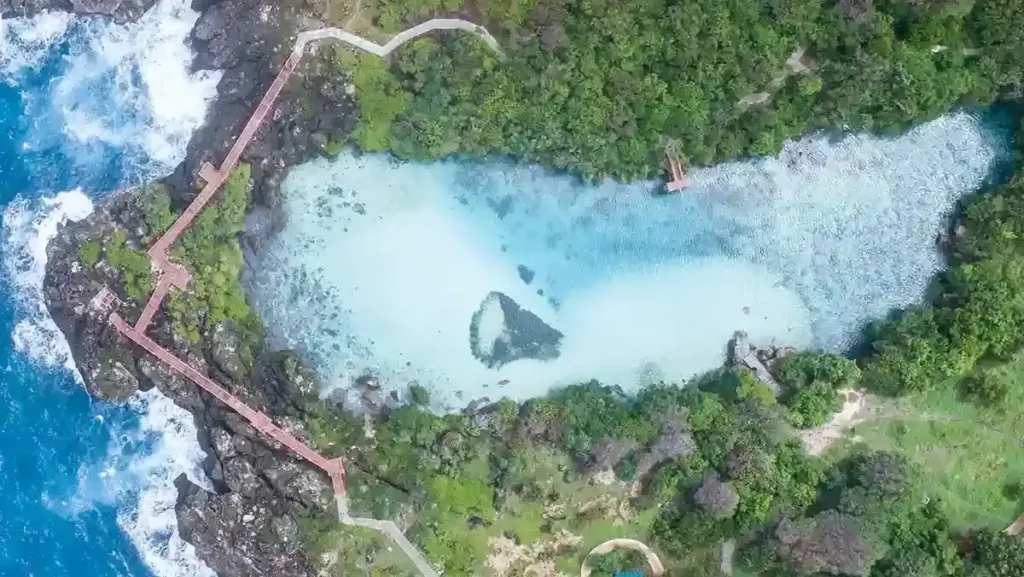
Sumba Island boasts some stunning beaches, including Nusa Beach and Weekuri Beach, and swimming is generally safe in designated areas. However, always be cautious of natural conditions. Strong currents can be prevalent, especially during the rainy season, which runs from December to March. It’s advisable to check local weather conditions and consult with locals or lifeguards before entering the water. Certain beaches may have rocky bottoms or sharp coral, which can pose risks for injury.
Respecting Sumba Local Customs
Travelers must show respect for Sumba’s rich cultural heritage, which is deeply woven into everyday life. The local population predominantly practices the Marapu religion, and rituals often involve ceremonies and offerings. Here are some ways to show cultural respect:
- Dress Modestly: When visiting villages or attending ceremonies, wear conservative clothing that covers shoulders and knees.
- Ask Permission: Always ask permission before photographing people or their property. Many locals appreciate this gesture, and it demonstrates respect for their privacy.
- Participate in Local Customs: If invited to join a local ceremony or meal, accept graciously. Participate actively but respectfully.
Learning a few basic phrases in the local language can also go a long way in fostering goodwill. Simple greetings or expressions of thanks can make your interactions more meaningful.
Is it Safe to Drive at Night in Sumba?
Driving at night in Sumba is generally not recommended due to poorly lit roads and the presence of wildlife such as cows and goats. If you must travel at night, proceed with caution, reduce your speed, and stay alert. While major routes are relatively safe, secondary roads may pose additional risks. Consider hiring a local driver who is familiar with the terrain and conditions, which can enhance your safety and overall experience.
Conclusion
Sumba Island offers a captivating experience for adventurous travelers who respect local customs and are mindful of their health and safety. By preparing adequately and understanding the local culture, you can enjoy everything this stunning destination has to offer—from its breathtaking landscapes to its rich traditions. Make sure to stay informed about health risks, respect local customs, and prioritize your safety, whether you’re exploring the vibrant markets or relaxing on the island’s pristine beaches.
FAQ
1. Do I need malaria pills when traveling to Sumba?
Consult a healthcare provider before your trip; anti-malarial pills are recommended, especially if staying in rural areas.
2. Is it safe to drink tap water in Sumba?
No, it is not safe to drink tap water. Always opt for bottled water from reputable brands.
3. What are the hospital options in Sumba?
The best option is RSUD Sumba Timur in Waingapu. For serious medical issues, evacuation to Bali may be necessary.
Ready to explore the vibrant culture and natural beauty of Sumba Island? Plan your trip today!
incidences in rural areas. It’s advisable to take prophylactic medication if you plan to spend time in these locations. Consult with a travel health specialist at least one month before your trip for appropriate vaccinations and medications. Ensure you have a supply of insect repellent with DEET, long-sleeved clothing, and a mosquito net for accommodation if possible.
Understanding Local Customs and Traditions
Sumba is rich in cultural heritage, with distinct customs and traditions that travelers should respect. The island is known for its impressive megalithic tombs and traditional villages like Waingapu and Ratenggaro. When visiting these areas, it’s crucial to ask for permission before taking photographs of people or their homes, as this is considered respectful. Furthermore, some ceremonies may be exclusive to locals, and visitors are encouraged to observe rather than participate unless invited.
When attending traditional events or rituals, such as the Pasola Festival (usually held in February or March), dress modestly and adhere to the local etiquette. Wearing traditional attire, like a sarong, is appreciated. Additionally, haggling in local markets is common, but it should be done politely and with a friendly demeanor.
Emergency Contacts and Healthcare Facilities
Before traveling, familiarize yourself with emergency contacts in Sumba. The local police can be reached at 112, while a reliable ambulance service is available through 118. Major towns like Waingapu and Waitabula have healthcare facilities, but they may be limited in resources. The Sumba Regional General Hospital in Waingapu is the most equipped, but for serious medical issues, consider air evacuation to Bali’s hospitals, which are better equipped for emergencies.
It’s prudent to travel with a basic first aid kit that includes items like antiseptic wipes, band-aids, and any personal medications. Insurance coverage that includes medical evacuation is highly recommended, as accessing advanced healthcare can be challenging.
Transportation Safety Tips
Getting around Sumba can be an adventure in itself, but it’s essential to prioritize safety. If you plan to rent a vehicle, ensure it is in good condition and familiarize yourself with local traffic rules. It’s common to see motorbikes as a popular mode of transportation; if you choose to rent one, wear a helmet and avoid riding in adverse weather conditions.
For those interested in guided tours, many local operators offer safe and reliable transport options. Look for licensed tour guides who can provide insight into local history and culture while ensuring your safety during excursions. Prices for guided tours typically range from $50 to $150 USD per day, depending on the length and inclusivity of the package.
- Always check vehicle safety: Look for vehicles with seatbelts and check for any visible damage.
- Travel during daylight: Stick to daytime travel when possible, as road conditions can be poor after dark.
- Inform someone of your plans: Always let someone know your itinerary and expected return time.
Explore more from Sumbaislandtour
Keep reading
More from the journal.